
Bedroom Decor Guide
Small Bedroom Decor: Smart Ideas for a Cozy, Clutter-Free Space
A compact bedroom is not a limitation — it is a design brief. Learn how to choose the right bed, arrange furniture, and style your room so it feels calm, open, and genuinely restful.
Start the GuideWhy Small Bedroom Decor Deserves a Real Plan
Most people searching for small bedroom decor ideas are not starting from zero. They already know the kind of room they want — a calm, tidy space that supports good sleep. What they need is a clear framework for making it happen inside a limited footprint. That is exactly what this guide delivers.
Small rooms are unforgiving of poor choices. A bed that is a few inches too wide can block a wardrobe. A bedside table with the wrong depth can turn a walkway into an obstacle. On the other hand, a well-planned compact bedroom can feel more intentional and restful than a large, under-furnished one. The difference is almost never a matter of spending more — it is a matter of sequencing decisions correctly.
Below, you will find a complete buying and styling framework: how to measure and zone the room, which bed and storage formats earn their space, which bedside furniture keeps circulation clear, how to layer lighting and color, and how to style surfaces without creating clutter. Every recommendation is tied back to what actually matters in a small room.
Editor's note: If you are still deciding what to sleep on before decorating, start with our full and double bed guide to confirm the right mattress footprint, then return here to build the room around it.
Step 1: Measure First, Decorate Second
Before you browse a single item, map the room on paper. Record the length and width, the position of doors and windows, radiator and outlet locations, and the swing path of every door. Then mark the zones you actually need: sleeping, dressing, storage, and circulation. A small bedroom usually cannot support four generous zones, so the goal is to overlap them intelligently — for example, a bed with drawers under it serves both sleeping and storage.
Two numbers decide most small-bedroom layouts. The first is the walkway clearance: aim to keep at least 24 inches of clear floor beside the bed, and 18 inches at the foot if that is the only route to a wardrobe. The second is the door swing: never place furniture where a door or drawer cannot fully open. Frames and storage drawers need room to extend, so account for the open position, not just the closed one.
Once the footprint is fixed, choose the bed position. Placing the headboard against the longest uninterrupted wall usually frees up the most usable floor. If the room is very narrow, a corner position with the bed along the wall can work — just make sure one side remains accessible for making the bed. Our overview of bed frames explains how frame depth and leg height affect perceived floor space.
- Draw the room to scale and mark doors, windows, and outlets.
- Reserve 24 inches of walkway beside the bed where possible.
- Confirm drawers and doors open fully before committing.
- Overlap zones (sleep + storage) instead of adding furniture.
Step 2: Choose a Bed That Earns Its Footprint
The bed is the largest object in any bedroom, so it sets the ceiling for everything else. In a compact room, prioritize storage-integrated designs and low visual weight. A bedstead with drawers under the frame, for instance, can replace a separate dresser entirely. A low-profile platform keeps sightlines open and makes the ceiling feel higher. If you need more drawer space than a single frame provides, compare options in our guide to trundle beds with storage, which combine a second sleeping surface with built-in drawers.
Upholstered beds are a strong choice for small rooms because the padded surfaces absorb sound and soften hard edges, which makes a tight space feel calmer. Just keep the silhouette simple: tall, ornate headboards can dominate a low-ceilinged room. For rooms where the bed must sit against a wall, look at beds without headboards that include storage — they keep the profile low and the floor useful.
If the room doubles as a guest space, a trundle is often the most efficient answer. A standard trundle bed hides a second mattress under the main frame, and when the trundle includes drawers, it consolidates two functions in one footprint. For very tight rooms, a full slide bed lets you push the sleeping surface against the wall during the day and pull it out at night.
Tier guidance: Entry-level storage beds typically use simple slat bases and basic drawer runners. Mid-range models add reinforced frames and smoother glides. Premium and luxury tiers offer solid hardwood construction, dovetailed drawers, and upholstered finishes that hold their shape over years of use. Match the tier to how hard the bed will work — a daily-use guest bed justifies a higher tier than an occasional one.
Step 3: Pick Bedside Furniture That Keeps the Floor Clear
Bedside tables are where small bedrooms are won or lost. A standard table that is too deep will crowd the walkway and force you to angle around it every night. Start with narrow, tall proportions: a two-drawer bedside table gives you closed storage for charging cables and reading glasses without a wide footprint. If you charge devices overnight, a bedside table with a USB port removes the need for a separate power strip on the floor.
For rooms where even a narrow table feels like too much, go vertical. A white bedside table with storage can be wall-mounted or tucked into a corner, and a floating shelf above the bed handles books and a lamp. Mixed finishes work well in small rooms as long as the tones stay in the same family — a distressed white bedside table pairs naturally with light walls, while a marble bedside table adds a crisp accent that reflects light.
If the bed is the only furniture that fits, consider a frame with built-in surfaces. Beds with built-in bedside tables eliminate the gap between bed and table entirely, and a bedside adjustable laptop table can serve as a temporary workspace that folds away when not in use. For a complete roundup of compact options, see our bedside tables guide.
Step 4: Use Color, Light, and Texture to Expand the Room
Color is the most efficient tool in small bedroom decor because it changes perceived space without consuming any. A light, low-contrast palette — soft whites, warm greys, sage greens, pale blues — blurs the boundaries between walls and ceiling, which makes the room read as larger. Keep the darkest tone for the floor and the lightest for the ceiling. If you want an accent, use it in one controlled area such as the headboard wall or a single textile, rather than scattering it across the room.
Lighting should be layered rather than centralized. A single ceiling fixture flattens a small room and casts shadows into corners. Instead, combine a warm bedside lamp, a wall sconce or reading light, and a soft overhead source on a dimmer. The goal is to light the corners, not just the center. A bedroom rug in a light tone also helps by reflecting light upward and visually anchoring the bed without adding bulk.
Texture does the emotional work. In a compact room, hard surfaces and sharp edges make the space feel tight; soft surfaces make it feel generous. Layer a quilted or chenille bedspread, a woven throw, and a couple of pillows in complementary tones. If you prefer a clean, minimal look, a white queen bedspread set provides a calm base that you can accent with one textured cushion. For a softer, more traditional feel, a sage green chenille bedspread adds depth without darkening the room.
- Keep walls and ceiling light and low-contrast.
- Layer three light sources: task, ambient, and accent.
- Use one accent color in one controlled area.
- Add soft textures to offset hard surfaces.
Step 5: Build Vertical Storage and Protect Surfaces
In a small bedroom, every horizontal surface becomes a landing zone for clutter. The fix is to give items a closed home before they accumulate. Use the full height of the room: tall shelving, over-door hooks, and wall-mounted baskets keep floor space clear. Under-bed drawers are the single most valuable storage zone in a compact room — if your current frame lacks them, a bedstead with drawers is a worthwhile upgrade.
Keep the bedside surface nearly empty. A lamp, one book, and a small tray for essentials is enough. Everything else belongs in a drawer. This single habit makes a small room feel maintained and restful, and it also protects the items you use daily. If you are still deciding whether your current mattress is contributing to poor rest, our guide on when to replace a mattress explains the signs to watch for before you invest in new decor.
Recommended Small Bedroom Decor & Space-Saving Essentials
⚠️ AFFILIATE DISCLOSURE: This website contains affiliate links. As an Amazon Associate, we earn from qualifying purchases. If you make a purchase through these links, we may receive a small commission at no additional cost to you. Read our full affiliate policy.

Peakeep Slim Digital Mirror Aesthetic Alarm Clock for Bedrooms Desk Decor | Plug in Electric Big LED Modern Small Clock for Office Living Room, Battery Backup, 6 Dimmers (Gold)
Check price on Amazon
Der Rose 24" Fake Hanging Eucalyptus Plant for Bathroom Wall Art Decor | Layered sage-green leaves and a matte black pot bring natural depth to mantels, high shelves, boho farmhouse rooms decor
Check price on Amazon
15" Clear Floating Shelves for Wall, 3 Pack Display Ledges | Wall shelves for perfume, skincare, nail polish, book, Room decor for Bedroom, Living Room, Kitchen, Bathroom
Check price on Amazon
Black 2x4 Area Rugs for Bedroom, Fluffy Shag Rug Small Rug Bedroom Carpet | Upgraded Non-Slip Rubber Backing, Ultra Soft Area Rugs for Living Room, Laundry Room, Home Decor, Elevate Your Space Ambiance
Check price on Amazon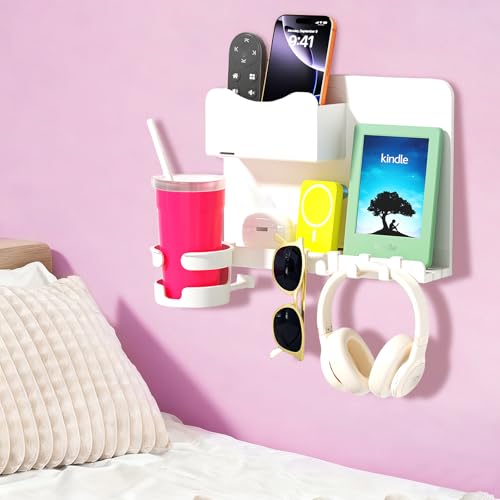
Floating Shelves for Bedside Shelf, Stick On Accessories Organizer, Dorm Room Essentials, Wall Mount Shelf, Cute Room Decor Aesthetic, Girls Room Decor, Cool Stuff For Bedroom Storage And Organization
Check price on Amazon
Small Heart Hands Sculpture Decor for Living Room Bedroom Bookshelf Coffe Table and Office Display, Love Finger Statue Modern Aesthetic Home Decor, Unique Gift for Wedding Christmas Birthday (Gold)
Check price on Amazon
Der Rose 6 Pack Succulents Fake Plants for Bedroom Bathroom Home Decor | Palm-sized small fake plants,ideal for bedroom bathroom aesthetic living room decor,office desk accessories,gift for women
Check price on Amazon
Homedics Tabletop Water Fountain, Home Décor Soothing Sound Machine | Automatic Pump, Deep Basin & Natural River Rocks. Indoor Zen Relaxation for Office, Living Room, or Bedroom, 8.25” Tall
Check price on AmazonSmall Bedroom Decor Buying Framework
Use this table to prioritize decisions. Work top to bottom — each row depends on the one above it. The tier column describes relative market positioning, not a number.
| Priority | Item | What to Look For | Suggested Tier |
|---|---|---|---|
| 1 | Bed frame | Low profile, storage drawers, reinforced slats | Mid-range or premium |
| 2 | Bedside storage | Narrow depth, closed drawers, USB port | Entry-level to mid-range |
| 3 | Lighting | Warm bedside lamp, wall sconce, dimmable overhead | Essential tier |
| 4 | Textiles | Light-toned bedspread, textured throw, two pillows | Balanced tier |
| 5 | Rug | Light tone, low pile, fits under the bed partially | Mid-tier |
| 6 | Wall storage | Floating shelves, hooks, over-door organizers | Starter tier |
Frequently Asked Questions
How can I make a small bedroom look bigger?
Use light neutral walls, keep the floor visible with a low-profile bed frame, choose furniture with legs, add a large mirror, and layer soft lighting. Vertical storage and a consistent color palette also reduce visual clutter, which is what actually makes a room read as larger.
What type of bed is best for a small bedroom?
A storage bed, a bedstead with drawers, or a low-profile platform frame works well in compact rooms. These designs combine sleep space with built-in storage and keep the footprint efficient. If the room doubles as a guest space, a trundle bed is the most efficient choice.
Which bedside table fits a small bedroom?
Choose a narrow two-drawer bedside table, a wall-mounted shelf, or a bedside table with a USB port to save floor space while keeping essentials within reach. Depth matters more than width in tight rooms.
How do I decorate a small bedroom without clutter?
Follow a one-in-one-out rule, use closed storage, keep surfaces clear, and limit decor to a few intentional pieces. A tidy room reads as larger and calmer, and it is easier to maintain over time.
Should I use a dark or light color scheme in a small bedroom?
Light, low-contrast schemes generally make a room feel larger. Dark tones can work in a small bedroom if they are applied consistently and paired with strong layered lighting, but they demand more discipline. For most compact rooms, a light base with one controlled accent is the safer approach.
Ready to Build Your Compact Sleep Space?
Start with the bed, confirm the walkway, then layer storage, light, and texture. If you want to compare specific frame formats before you commit, explore our bed frames guide or browse trundle beds for dual-purpose options. For a full reset of the room's sleep foundation, check the mattress replacement guide first — new decor feels best on a mattress that supports you properly.
Explore Bed Frames