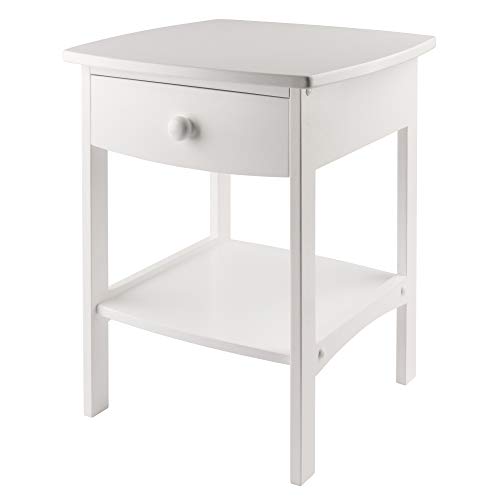
Why Choose a White Solid Wood Bedside Table?
A bedside table is one of the few furniture pieces you touch every single day. You reach for it half-asleep, set down a glass of water, drop your phone, and stack books on it. That daily contact is exactly why material matters. A white solid wood bedside table combines the clean, bright look many people want in a bedroom with the structural integrity of real timber.
Solid wood offers three practical advantages over engineered wood. First, it accepts and holds hardware—drawer glides, knobs, and hinges—far better, so drawers stay aligned over the years. Second, it can be sanded and refinished if the surface ever gets scratched, which extends its usable life. Third, it handles humidity fluctuations in a bedroom more predictably than particleboard, which can swell if moisture reaches the core.
White as a color also does specific work in a bedroom. It reflects light, makes small rooms feel larger, and pairs with almost any bedding tone. If you are building a coordinated look, a white piece sits comfortably next to a white bedside table with drawers or a white and brown bedside table if you prefer a two-tone scheme.
Understanding "Solid Wood" Before You Buy
Not every product labeled "solid wood" is built the same way, and the difference affects how long the table lasts and how it looks after a few years of use.
Solid wood vs. engineered wood
Solid wood means the structural parts are cut from real timber. Engineered wood—MDF, particleboard, or plywood—is made from wood fibers or veneers bonded with resin. Some manufacturers use a solid wood frame with engineered panels, which is a reasonable middle ground. For a bedside table, solid wood is the more durable choice for the drawer box and legs, since those take the most mechanical stress.
Common wood species for white bedside tables
- Pine: An entry-level solid wood. Lightweight, easy to paint, and widely used for white finishes. Softer than hardwoods, so it dents more easily, but it takes paint beautifully.
- Rubberwood: A mid-range option common in white-painted furniture. Dense, stable, and takes a smooth painted finish well. Often used for drawer boxes and legs.
- Oak: A premium solid wood with visible grain. When whitewashed, the grain shows through, which gives a more textured, natural look than a fully painted surface.
- Mango: A high-end tier option with a bold grain pattern. Often used in whitewashed or distressed finishes where the character of the wood is part of the design.
If you want a completely uniform white surface, painted pine or rubberwood is the practical path. If you want visible grain beneath the white, whitewashed oak or mango is the better match. For a related look in a warmer tone, the white bedside table with wooden top style shows how a natural top can soften an all-white body.
The white finish: paint, lacquer, or whitewash
The finish is as important as the wood underneath. Painted finishes are opaque and hide grain. Lacquered finishes add a protective layer that resists moisture and wear, and they are common on mid-range and premium pieces. Whitewash is a thin, semi-transparent stain that leaves grain visible; it is popular on oak and mango pieces but offers less surface protection, so it usually needs a topcoat sealer.
Check how the finish is sealed. A water-based topcoat is common and low-odor, while oil-based finishes tend to be more moisture-resistant. Either works in a bedroom as long as the surface is fully sealed—bare or lightly sealed wood will stain from a wet glass.
What to Look For: A Buying Checklist
Use this checklist to evaluate any white solid wood bedside table before you commit.
| Feature | What to check | Why it matters |
|---|---|---|
| Tier | Entry-level, mid-range, premium | Higher tiers usually mean better joinery and smoother drawer glides |
| Wood species | Pine, rubberwood, oak, mango | Affects hardness, grain visibility, and how the white finish reads |
| Drawer hardware | Metal glides vs. wood-on-wood runners | Metal glides stay smooth longer; wood runners are traditional but can stick |
| Joinery | Dovetail, dowel, or screwed joints | Better joinery resists wobble over years of daily use |
| Finish sealing | Lacquered, water-based topcoat, oil-based | Sealed surfaces resist rings from glasses and everyday spills |
| Footprint | 16–22 in. wide, 14–18 in. deep | Fits standard bedside gaps without blocking walkways |
| Storage style | Single drawer, multiple drawers, open shelf, basket | Should match what you actually keep beside the bed |
Storage Styles and How to Choose
The storage layout of your bedside table should follow your nightly routine, not the other way around. Here is how the main styles compare.
One drawer plus open shelf
This is the most versatile layout. The drawer hides small clutter—chargers, eye masks, medication—while the open shelf holds a book, a lamp base, or a water glass. It is the best default for most bedrooms and keeps the table visually light. You can see this balance in the white one drawer bedside table style.
Two or three drawers
Multiple drawers suit people who store more than the basics: notebooks, cords, reading glasses, and small electronics. A three-drawer design also works well as a compact dresser alternative in smaller rooms. The wooden 3 drawer bedside table format shows how a taller drawer stack adds usable storage without widening the footprint.
Open shelf with basket
A single open cubby with a woven basket is a practical option if you prefer soft storage and easy access. It hides clutter while keeping the look relaxed. The white bedside table with basket layout is a good example of this approach.
Charging and tech-friendly designs
If your phone charges overnight on the table, a built-in outlet or USB port reduces cord clutter. These designs cost more within their tier but solve a real daily problem. The white bedside table with charging station is worth considering if you dislike hunting for chargers each night.
Sizing Your Bedside Table
Proportion matters as much as style. A table that is too small looks lost; one that is too large crowds the bed and blocks movement.
- Height: The tabletop should sit within a few inches of your mattress top. If you have a low platform bed, a taller table looks disconnected; if you have a tall bed, a short table forces you to reach down.
- Width: 16–22 inches is the practical range for most bedrooms. Smaller tables suit narrow gaps; wider tables give more usable surface for a lamp and books.
- Depth: 14–18 inches is typical. Deeper tables protrude into walkways.
- Clearance: Leave at least a few inches between the table and the wall for cords, and enough space between the table and the bed so you can open drawers without scraping the frame.
If your bed sits low, a white platform bed or a white bedstead frame can change the height relationship, so measure the mattress top before choosing a table height.
Matching Your Bedroom Style
A white solid wood bedside table is flexible, but the surrounding pieces determine how it reads in the room.
Modern and minimalist bedrooms
In a clean, modern room, choose a table with a simple silhouette, straight legs, and a matte or satin finish. Pair it with a white bedside table with storage layout if you want hidden clutter handled without visual noise. For a coordinated pair, a set of two white bedside tables keeps the symmetry consistent on both sides of the bed.
Farmhouse and shabby chic
White wood already leans toward farmhouse style. Add a distressed or whitewashed finish and a woven basket for a softer, lived-in look. The white shabby chic bedside cabinets style shows how a slightly aged finish changes the mood of the piece.
Mid-century and contemporary
If your bedroom has tapered legs and warm wood tones, a white mid-century bedside table keeps the period feel while staying bright. If you prefer a glossier surface, a white high-gloss bedside table reflects light and suits contemporary rooms.
Care and Maintenance for a White Wood Finish
White finishes show marks more than natural wood, so a small amount of routine care keeps the surface looking new.
- Dust weekly with a soft, dry cloth. Avoid abrasive pads, which dull the topcoat.
- Wipe spills immediately with a slightly damp cloth, then dry the surface. Standing water is the main cause of white rings and finish lifting.
- Use coasters under glasses and mugs, especially on painted finishes.
- Keep the table out of direct sunlight to slow yellowing and finish fading.
- Avoid placing the table near radiators or heating vents; sudden heat can cause solid wood to crack or joints to loosen.
- Check drawer glides once or twice a year and tighten any loose screws.
If the finish is painted rather than lacquered, a touch-up pen in a matching white can handle small chips. For deeper scratches on solid wood, a light sand and refinish is possible—something engineered wood rarely allows.
Common Mistakes to Avoid
- Buying by look alone: A table that matches your bedding but has a sticky wood-on-wood drawer will frustrate you daily. Test the drawer mechanism before buying.
- Ignoring mattress height: A table that is four or five inches shorter than the mattress forces awkward reaching.
- Overlooking the finish seal: Unsealed or lightly sealed white surfaces stain quickly, especially in humid bedrooms.
- Choosing too many drawers in a small room: A tall drawer stack can make a narrow bedside gap feel cramped. Measure first.
- Skipping the wall clearance: Tables placed tight against the wall can damage the finish and make it hard to plug in a lamp or charger.
Frequently Asked Questions
Is solid wood better than MDF or particleboard for a bedside table?
Solid wood is generally more durable, easier to repair, and holds hardware better over time. MDF and particleboard can be more moisture-sensitive and may not survive multiple moves as well, though quality-engineered wood can still perform well in dry bedroom conditions.
What does a white finish on solid wood actually mean?
A white finish can be paint, lacquer, or a whitewashed stain. Painted and lacquered finishes offer a uniform look, while whitewash keeps some grain visible. Always check whether the finish is water-based or oil-based and how it is sealed, since sealing affects stain resistance and longevity.
How do I match a white solid wood bedside table with my existing bed frame?
Match by undertone and finish sheen rather than by exact white shade. Cool-toned whites pair well with gray or blue palettes, while warm whites sit nicely with beige and natural wood. A satin or matte sheen blends more easily than high-gloss.
Do solid wood bedside tables need special care?
Dust regularly with a soft cloth, avoid standing water, and use coasters for drinks. Reapply a furniture wax or conditioner only if the manufacturer recommends it for the specific finish. Keep the table away from direct heat sources to prevent cracking.
How many drawers should a bedside table have?
One drawer plus an open shelf suits most people who keep a book, glasses, and phone nearby. Two or three drawers are better for those who store medication, chargers, or larger items, while a single drawer keeps the table visually lighter in small rooms.
Ready to Compare White Solid Wood Bedside Tables?
Browse our curated selection of white solid wood bedside tables below and check availability, sizes, and drawer configurations that match your bedroom setup.
Related Bedroom Guides
If you are furnishing the rest of the room, these guides pair well with a white solid wood bedside table:
- white bedside table with storage — for rooms that need hidden clutter control.
- white bedside table assembled — a look at pre-assembled options and what to verify.
- white pedestal bedside table — a more sculptural silhouette for modern rooms.
- walnut bedside cabinet — if you want a darker wood contrast instead.
- wall shelves — a floating alternative if floor space is tight.
- when to replace mattress — a useful check if you are updating the whole sleep setup.