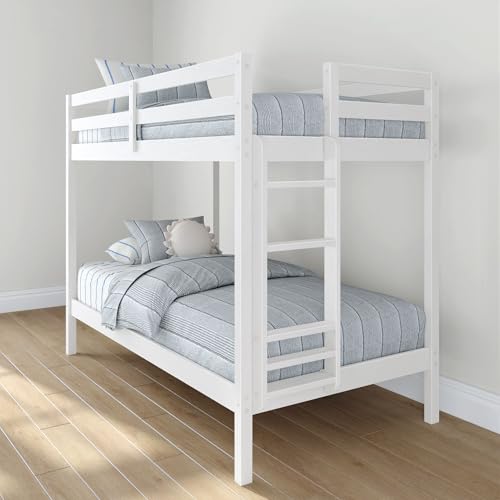
Wood Bunk Beds Twin Over Twin: The Complete Buying Guide
Everything you need to know before choosing a twin over twin wooden bunk bed — frame construction, safety standards, mattress fit, and how to match the right design to your room and sleepers.
Researched for buyers who already know what they want and need clear, practical guidance.
Why this guide matters: A twin over twin wood bunk bed is one of the most space-efficient and durable choices for shared bedrooms, guest rooms, and vacation homes. But not all wooden bunk beds are built the same. Frame material, joinery, guardrail design, and mattress compatibility vary widely — and those differences affect safety and longevity. This guide walks you through each decision point so you can buy with confidence.
What Is a Wood Bunk Bed Twin Over Twin?
A wood bunk bed twin over twin stacks two twin-size sleeping surfaces vertically, using a wooden frame as the structural foundation. Each bunk accommodates a standard twin mattress, typically 38 by 75 inches. The stacked configuration means the bed occupies roughly the floor space of a single twin bed while sleeping two people — a significant advantage in smaller rooms.
Wooden frames are favored for their warmth, natural finish options, and ability to blend with a wide range of bedroom styles, from rustic to modern. Solid wood construction — particularly pine, oak, and birch — is common in the mid-range and premium tiers, while engineered wood with veneer finishes appears more often in entry-level models.
Key advantages of twin over twin wooden bunk beds
- Space efficiency: Sleeps two in the footprint of one twin bed, freeing up floor area for storage, desks, or play.
- Durability: Solid wood frames with reinforced joinery handle daily use well and often last for years.
- Design flexibility: Available in finishes from natural pine to painted white, matching most bedroom aesthetics.
- Resale and reuse: Separable models can convert into two standalone twin beds as needs change.
- Mattress compatibility: Standard twin mattresses are widely available and easy to replace.
Wood Bunk Bed Frame Types Compared
The frame style you choose affects stability, assembly complexity, and how the bed fits into your room. Below is a comparison of the most common wooden twin over twin configurations.
| Frame Type | Tier | Best For | Key Considerations |
|---|---|---|---|
| Solid pine bunk bed | Mid-range | Family bedrooms, everyday use | Lightweight, easy to assemble; check knot quality and hardware |
| Oak or birch bunk bed | Premium | Long-term use, high-traffic rooms | Heavier and denser; superior durability and finish |
| Engineered wood with veneer | Entry-level | Guest rooms, occasional use | Lighter build; verify weight ratings and joinery |
| Separable twin over twin | Mid to premium | Flexible layouts, growing families | Converts to two standalone beds; check conversion hardware |
| Bunk bed with storage or desk | Premium | Small rooms needing multi-function use | Adds drawers or a desk under the lower bunk; measure clearance |
Buying tip: If the bunk bed will be used by children, prioritize frames with full-length guardrails on both sides of the top bunk and a ladder that attaches securely to the frame. For rooms with low ceilings, measure the distance from the floor to the ceiling and compare it to the assembled height of the bed plus the top mattress.
Safety Features to Look For
Safety is the most important consideration when buying any bunk bed. The top bunk introduces fall risk, and the frame must support the weight of two sleepers plus the mattresses. Use the following checklist when evaluating a wood bunk bed twin over twin.
Guardrails
The top bunk should have a guardrail on both sides, with a minimum height of 5 inches above the mattress surface. Full-length rails are preferable to partial rails because they reduce the chance of a sleeper rolling out. Some models include a gap between the rail and the mattress; check that the gap is small enough to prevent entrapment.
Ladder and access
A sturdy ladder with wide, anti-slip rungs makes climbing safer. The ladder should attach firmly to the frame rather than rest loosely against it. Some designs include a ladder that can be positioned on either side of the bed, which is useful when furniture placement limits access.
Weight capacity and joinery
Check the manufacturer's stated weight capacity for both the top and bottom bunks. Reinforced joinery — such as mortise-and-tenon or metal bolt connections — is a sign of durable construction. Avoid frames that rely solely on glue or small screws at load-bearing joints.
Age recommendations
Most manufacturers recommend the top bunk for children aged six and older. Younger children should use the lower bunk. Always follow the specific age and weight guidelines provided by the manufacturer, and ensure the bed is placed away from ceiling fans, windows, and other hazards.
Mattress Fit: What Works With a Twin Over Twin Bunk Bed
The right mattress is essential for both comfort and safety. A mattress that is too thick raises the sleeper above the guardrail, increasing fall risk. A mattress that is too thin may not provide adequate support and can shift within the frame.
- Thickness: Most twin over twin bunk beds are designed for mattresses between 5 and 8 inches thick. Check the manufacturer's maximum thickness specification.
- Firmness: Medium-firm mattresses work well for most sleepers and reduce the risk of bottoming out on the lower bunk.
- Material: Memory foam and hybrid mattresses are popular choices because they conform to the body and are available in bunk-friendly thicknesses. Innerspring mattresses can work but may be heavier to lift onto the top bunk.
- Foundation: Most wooden bunk beds use slats rather than a box spring. Verify slat spacing and strength, and avoid adding a box spring unless the manufacturer permits it.
If you are replacing an older mattress, our guide on when to replace your mattress can help you decide whether a new mattress is needed alongside the new bed.
Wood Finish and Style Options
Wood bunk beds are available in a range of finishes, from natural and stained wood to painted white and gray. The finish affects both the look of the room and the maintenance requirements.
- Natural and light wood finishes: Bring warmth and work well in Scandinavian, coastal, and modern farmhouse interiors.
- Stained wood finishes: Darker tones add contrast and suit traditional and rustic bedrooms.
- Painted finishes: White and neutral painted frames brighten small rooms and blend with most decor. Painted surfaces may show chips over time, so touch-up paint is useful to keep on hand.
- Distressed and reclaimed-look finishes: Add character for rustic and industrial styles.
If your room has a light color palette, a white wood bunk bed can create a cohesive look. For rooms that need extra storage, consider a wooden bunk bed with drawers to keep clothes and toys organized without adding separate furniture.
Space-Saving Layout Ideas
A twin over twin bunk bed is itself a space-saving choice, but the way you arrange the room can free up even more floor area. Consider these layout ideas:
- Place the bed against a corner wall: This reduces the number of exposed sides and creates a natural nook for the lower bunk.
- Add a bedside table near the lower bunk: A compact option such as a white bedside table with storage keeps essentials within reach without crowding the room.
- Use vertical storage: Wall shelves above the foot of the bed can hold books and decor without consuming floor space.
- Choose a separable model: If the room may be reconfigured later, a wood bunk bed that can be separated into two twin beds offers long-term flexibility.
- Coordinate bedding: Matching or coordinating comforters and sheets keep the stacked beds looking tidy and intentional.
Assembly and Maintenance Tips
Proper assembly and routine maintenance extend the life of your bunk bed and help keep it safe.
- Follow the instructions: Assemble the bed on a flat surface and use all provided hardware. Do not substitute bolts or screws with different sizes.
- Tighten hardware periodically: Check bolts and screws every few months, especially after the first few weeks of use, and tighten as needed.
- Inspect the frame: Look for cracks, loose joints, or worn slats. Replace damaged parts before continued use.
- Clean with a damp cloth: Avoid harsh chemicals on wood finishes. For painted surfaces, use a mild detergent and dry immediately.
- Keep the ladder secure: Confirm that the ladder remains firmly attached and that the rungs are not loose.
If you are also updating the bedding, consider zip-off sheets for bunk beds to make changing the top bunk easier, or zip-up bedding for bunk beds for a tidy, secure fit.
Ready to Compare Twin Over Twin Wood Bunk Beds?
Browse recommended models below, compare features, and check availability. Our selection focuses on durable frames, safety-focused designs, and practical layouts for shared bedrooms.
View Recommended ModelsFrequently Asked Questions
What mattress thickness works best with a wood bunk bed twin over twin?
Most twin over twin wood bunk beds are designed for mattresses between 5 and 8 inches thick. A thinner mattress keeps the top bunk guardrail at a safe height and reduces fall risk. Check the manufacturer's maximum thickness specification before purchasing.
Are wood bunk beds twin over twin safe for younger children?
The top bunk is generally recommended for children aged six and older. Look for full-length guardrails on both sides, a sturdy ladder with anti-slip rungs, and a frame with a high weight capacity. Always follow the manufacturer's age and weight guidelines.
Can a twin over twin wood bunk bed be separated into two beds?
Many wood bunk beds are designed as separable units, allowing the top and bottom bunks to be used as two standalone twin beds. Verify this feature in the product description if flexibility matters for your room layout.
How much space does a twin over twin bunk bed save compared to two twin beds?
A twin over twin bunk bed typically occupies the footprint of a single twin bed, roughly 39 by 75 inches, while sleeping two people. Two separate twin beds placed side by side would require nearly double the floor width, so bunk beds are an efficient choice for shared or small rooms.
What type of wood is best for a twin over twin bunk bed?
Solid woods such as pine, oak, and birch are common and offer durable construction. Pine is a popular mid-range option, while oak and birch sit in the premium tier. Engineered wood with a veneer finish is typical of entry-level models. Regardless of wood type, check joinery quality, hardware, and weight ratings.