Zip-Off Sheets for Bunk Beds: The Complete Buying Guide
Struggling to change sheets on a top bunk? Zip-off bedding solves that. Learn how zipper sheets work, which materials and sizes fit your bunk, and what to look for before you buy.
Explore Recommended OptionsWhy this guide matters: Making a bunk bed is one of the most frustrating chores in the home. Zip-off sheets for bunk beds use a simple zipper system that lets you remove and replace bedding in seconds — no more climbing ladders, tugging fitted corners, or waking a sleeping child. This guide explains the mechanics, the materials, the size compatibility, and the practical trade-offs so you can choose with confidence.
What Are Zip-Off Sheets for Bunk Beds?
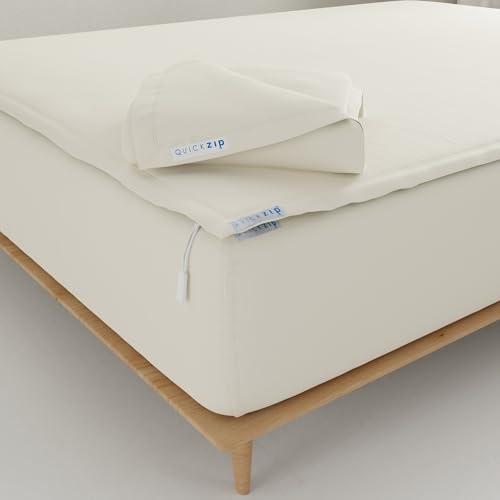
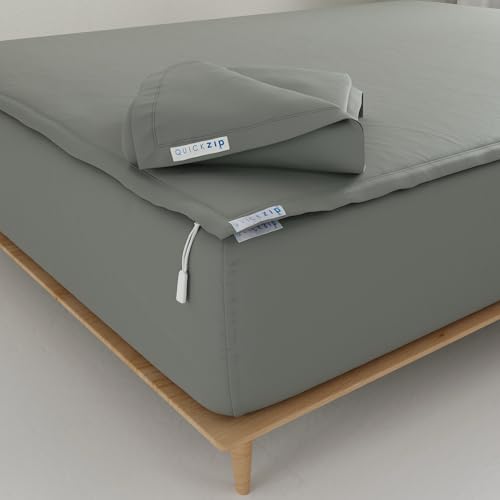
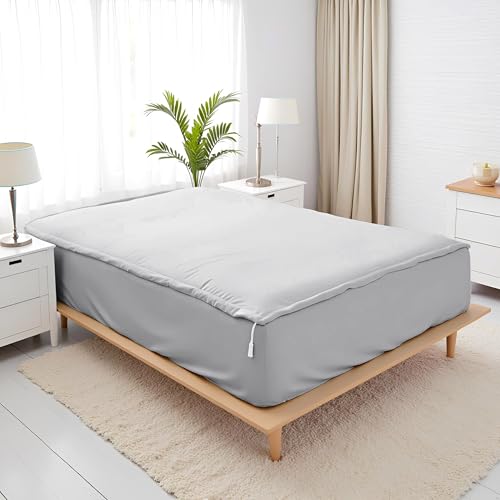
Zip-off sheets — also called zipper bedding or zip-up bedding — are a two-piece bedding system. A fitted base layer stays on the mattress, secured by an elasticized skirt or corner straps. The top layer, which includes the flat sheet and often the pillowcase, attaches to that base with a zipper running around the perimeter. To change the bed, you simply unzip the top layer, launder it, and zip a fresh one back on.
This design is especially valuable on bunk beds, where the top bunk is hard to reach and the bottom bunk often sits in a tight corner. Instead of wrestling with a fitted sheet against a wall or climbing a ladder with an armful of linens, you work with a single zipper. Many parents and caregivers find that the time saved during weekly laundry adds up quickly, and the reduced strain on the mattress corners helps the bedding last longer.
Key Benefits of Zipper Bedding for Bunk Beds
Effortless Sheet Changes
A single zipper replaces the tugging and tucking of traditional sheets. Changing the top bunk becomes a one-person task that takes under a minute.
Stays Taut All Night
Because the base layer is anchored and the top layer zips on, the bedding resists bunching and pulling loose — a common problem with restless sleepers.
Better Hygiene Control
The removable top layer can be washed frequently without disturbing the mattress protector underneath, keeping the sleep surface fresher between deep cleans.
Kid-Friendly Independence
Children can learn to zip their own bedding, which builds routine and reduces the caregiver workload during morning and bedtime routines.
Neat, Uniform Look
Zippered bedding tends to sit flush and smooth on the mattress, giving bunk beds a tidy appearance that stays consistent through the week.
Works With Most Bunk Sizes
Zipper bedding is available for twin, twin XL, full, and full-over-full bunk configurations, making it easy to match your existing frame.
How Zip-Off Bunk Bed Sheets Work
Understanding the construction helps you evaluate quality. A typical zip-off set has three components:
The Three-Part System
- Base layer: A fitted sheet or encasement that anchors to the mattress with elastic corners or a full skirt. This layer stays in place during laundry day.
- Top layer: The flat sheet and often a connected pillowcase. It carries one half of the zipper and is the part you remove for washing.
- Zipper track: A continuous zipper around the mattress perimeter. Quality matters here — a smooth, reinforced zipper prevents snags and extends the life of the set.
On bunk beds, the system is particularly useful on the top bunk, where the zipper lets you assemble the bed from the side rather than reaching across the mattress. Some sets also include a matching comforter or bedspread that zips on as part of the same system, creating a complete bedding unit. If you prefer a coordinated look, explore zip-up bedding for bunk beds to see how full sets compare.
Materials and Quality Tiers
Zip-off sheets are made from the same fiber families as conventional bedding, but the zipper construction adds a layer of engineering that affects durability. Use the tier descriptors below to compare sets without relying on numeric pricing.
| Tier | Typical Materials | Best For |
|---|---|---|
| Entry-Level | Polyester blends, microfiber, basic zipper hardware | Guest bunks, short-term use, households that want to test the concept |
| Mid-Range | Cotton-poly blends, brushed microfiber, reinforced zipper tape | Daily use in kids' rooms, shared bunk rooms, frequent laundering |
| Premium | 100% cotton, sateen weaves, metal zippers, double-stitched seams | Primary bedrooms, sensitive skin, long-term daily use |
| Luxury | Long-staple cotton, linen blends, concealed zippers, tailored finishing | Design-focused bunk rooms, adult bunk setups, high-frequency rotation |
Across all tiers, look for a zipper that glides smoothly and a base layer with strong elastic. A mid-range set with a reinforced zipper often outperforms an entry-level set with a fragile track, even if the fabric feels similar. If you need coordinating pieces for a twin bunk, zipper bedding for twin beds covers the size-specific options in more detail.
Sizing: Matching Zip-Off Sheets to Your Bunk Bed
Bunk beds come in several configurations, and the sheet size must match the mattress, not the frame. Measure your mattress length, width, and depth before ordering. Depth matters because a deep mattress may need a base layer with a taller skirt.
Common Bunk Bed Sizes
- Twin: The standard top-bunk size in most twin-over-twin and twin-over-full setups. Check that the zipper set is labeled for a standard twin mattress depth.
- Twin XL: Longer than a standard twin, often found in dorm-style bunks and adult bunk rooms. A standard twin set will not fit properly.
- Full: Common as the bottom bunk in twin-over-full configurations. Verify whether the set includes a full-size top layer or a split design.
- Full-over-full: Both bunks use full mattresses. You will need two full-size sets, or a set designed for matching upper and lower bunks.
If your bunk uses a non-standard frame, browse white bunk beds or wooden bunk beds to compare how mattress sizes are specified for different models. Always confirm the mattress dimensions against the bedding listing before purchase.
What to Check Before You Buy
Buying Checklist for Zip-Off Bunk Bed Sheets
- Zipper quality: Look for metal or reinforced nylon zippers with smooth pulls. A sticky zipper is the most common failure point.
- Base layer security: Elasticized corners or a full skirt should grip the mattress without slipping. Check whether the base is sold separately or included.
- Fabric breathability: Cotton and cotton-rich blends breathe better than pure microfiber, which matters on enclosed top bunks.
- Wash instructions: Confirm the set is machine washable and whether the zipper should be closed during washing to protect the track.
- Size accuracy: Match the set to the mattress size and depth, not the frame label. Twin XL and full-over-full setups need specific sizing.
- Compatibility with mattress protectors: If you use a waterproof protector, check that the base layer fits over it without over-stretching.
- Coordinating pieces: If you want a unified look, check whether matching pillowcases and comforters are available in the same system.
Zip-Off Sheets vs. Other Bunk Bed Bedding Solutions
Zip-off sheets are one of several approaches to simplifying bunk bed bedding. Here is how they compare with common alternatives.
| Solution | Strength | Trade-Off |
|---|---|---|
| Zip-off sheets | Fast changes, taut fit, washable top layer | Zipper is the failure point; initial setup takes a few minutes |
| Traditional fitted sheets | Widely available, simple construction | Hard to fit on top bunks; corners pull loose |
| Beddy-style overlay systems | All-in-one look, quick morning tidy | Less breathable; limited size range |
| Sleeping bags on bunks | Simple for guests and sleepovers | Not ideal for nightly use; limited mattress protection |
For households that change bunk bedding weekly, zip-off sheets offer the best balance of speed and fit. For occasional guest use, a simpler overlay may be sufficient. If you are also refreshing the rest of the bunk, zip-up bedspread options can coordinate with the sheet system.
Care and Maintenance Tips
Keeping Zip-Off Sheets in Good Condition
- Close the zipper before washing to prevent the track from snagging other fabrics.
- Wash in cool or warm water according to the care label, and avoid overloading the machine.
- Tumble dry on low; high heat can warp zipper tape and shrink cotton blends.
- Inspect the zipper periodically for loose stitches and lubricate stiff metal zippers with a small amount of zipper wax if needed.
- Rotate two sets so one is always clean and the mattress stays covered during laundry cycles.
- Keep a spare base layer on hand so a wash day does not leave the mattress exposed.
Frequently Asked Questions
Do zip-off sheets fit standard bunk bed mattresses?
Most sets are designed for standard twin, twin XL, and full mattresses. Measure your mattress depth and confirm the set’s size label, especially for deep mattresses or full-over-full bunks.
Are zip-off sheets safe for young children?
Yes, provided the zipper is smooth and the base layer fits securely. Check that there are no loose threads or sharp pulls, and teach children to keep fingers clear of the track.
Can I use zip-off sheets with a mattress protector?
In most cases, yes. Fit the protector first, then the zip-off base layer over it. Confirm that the base layer’s elastic or skirt is deep enough to accommodate both layers.
How often should zip-off sheets be washed?
Weekly is typical for daily use, or more often for children, allergy sufferers, or households with pets. Because only the top layer is removed, frequent washing is less disruptive than with traditional sheets.
What is the difference between zip-off sheets and zip-up bedding?
Zip-off sheets usually refer to the sheet system, while zip-up bedding often describes a complete set that includes a comforter or bedspread. The two terms overlap; check the product contents to confirm what is included.
Ready to Simplify Your Bunk Bed Routine?
Compare recommended zip-off sheet options and find the right fit for your bunk size and material preference.
View Recommended OptionsRelated Bunk Bed and Bedding Guides
Explore more resources to complete your bunk room setup:
Helpful Reading
- Zip-Up Bedding for Bunk Beds — full-set options and coordination tips.
- Zipper Bedding for Twin Beds — size-specific guidance for twin bunks.
- White Bunk Beds with Storage — frame options that pair well with zip bedding.
- Wooden Bunk Beds with Drawers — classic frames with built-in storage.
- When to Replace a Mattress — know when a bunk mattress needs upgrading.