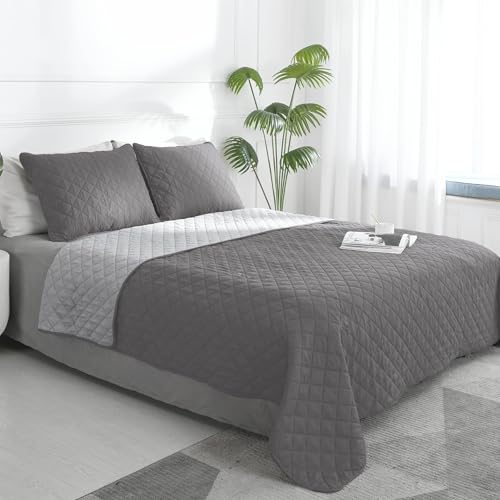
Zip Up Bedspread: The Complete Guide to Easy, Neat Bedding
A zip up bedspread combines the look of a traditional bedspread with the convenience of a zippered fit. Learn how these bedding pieces work, what to look for, and how to choose the right one for your bed.
Making the bed can feel like a daily chore, especially in households with bunk beds, guest rooms, or restless sleepers who kick off their covers at night. A zip up bedspread solves much of that friction by combining a coverlet and a fitted sheet into one piece that stays in place. Instead of tucking and smoothing multiple layers each morning, you simply zip the bedspread around the mattress and smooth the top.
This guide explains how zip up bedding works, the benefits it offers, the materials and sizes available, and the practical details that help you decide whether a zippered bedspread belongs in your bedroom. By the end, you will have a clear understanding of what to look for and how to match a zip-up bedspread to your bed and lifestyle.
Quick summary: A zip up bedspread is a one-piece bedding solution with a zipper that wraps around the mattress edges, keeping the cover securely in place. It is especially useful for bunk beds, adjustable beds, guest rooms, and anyone who wants a tidy bed with minimal daily effort.
What Is a Zip Up Bedspread?
A zip up bedspread is a bed cover designed with a zipper running along the lower edge or around the perimeter. The zipper connects the top cover to a fitted base or secures the bedspread around the mattress, so the two layers behave as a single unit. Unlike a traditional bedspread that drapes loosely over the bed, a zip-up design stays anchored, resists shifting, and keeps corners neat throughout the night.
Most zip up bedspreads are made from soft, breathable fabrics such as cotton, microfiber, or a cotton-polyester blend. The zipper is usually hidden in a seam or covered by a flap for comfort. Some designs include a quilted or matelassé texture for a more tailored look, while others are smooth and minimal. Because the cover is attached, the bedspread does not slide off when someone rolls over, which makes it a practical choice for children, deep sleepers, and anyone who moves a lot at night.
If you are exploring similar convenience-focused bedding, our guide to zip up bedding for bunk beds covers how these designs adapt to stacked sleep setups, and the zip off sheets for bunk beds article explains how zippered sheets work alongside a zip-up cover.
How Does a Zip Up Bedspread Work?
The mechanics are straightforward. The bedspread has a zipper that runs along one or more edges. Depending on the design, the zipper may attach the top cover to a fitted bottom sheet, or it may close the bedspread around the mattress like a protective wrap. Once zipped, the cover stays aligned with the bed, so the top surface remains smooth and the sides hang evenly.
There are two common configurations:
- Two-piece zippered set: A fitted base sheet zips to a top cover. This is the most common design for zip-up bedding and is popular for bunk beds and adjustable beds because the layers stay together.
- One-piece wrap design: The bedspread itself has a zipper that closes around the mattress, similar to a duvet cover with a fitted bottom. This design is simpler to put on and works well for guest beds and daybeds.
Either way, the goal is the same: fewer loose layers, less daily adjusting, and a consistently neat appearance. When it is time to wash the bedding, you simply unzip the cover and launder it according to the care label.
Key Benefits of Zip Up Bedding
Zip up bedspreads appeal to a wide range of sleepers because they solve several everyday bedding problems at once. Here are the main advantages:
1. Stays in Place
Because the cover is zipped to the base or wrapped around the mattress, it does not slide off during the night. This is a major benefit for children, restless sleepers, and anyone who has ever woken up to a tangled pile of sheets and blankets.
2. Faster Bed Making
A zip-up bedspread eliminates the need to tuck and smooth multiple layers. Once zipped, the bed looks tidy with a single pass of the hand. This is especially helpful in bunk beds, guest rooms, and vacation rentals where beds are made frequently.
3. Ideal for Bunk Beds and Adjustable Beds
Bunk beds and adjustable beds are notoriously difficult to dress with traditional bedding. A zip-up design keeps the cover secured even when the upper bunk is hard to reach or the bed frame changes position. Our article on zip up bedding for bunk beds explores this use case in more detail.
4. Neat, Tailored Appearance
Zip-up bedspreads tend to look crisp and uniform because the cover is anchored to the mattress. The result is a clean silhouette with even sides and smooth corners, which suits modern, minimalist, and traditional bedroom styles alike.
5. Easier Laundry
With a single zippered piece, there are fewer separate layers to wash, fold, and store. Unzip, launder, and rezip. For households that rotate bedding frequently, this simplifies the routine.
Materials and Fabric Options
The fabric you choose affects breathability, durability, and how the bedspread feels against the skin. Zip up bedspreads are available in several common materials:
| Material | Best For | Characteristics |
|---|---|---|
| 100% Cotton | Breathability and year-round comfort | Soft, breathable, easy to care for; a classic choice for everyday bedding |
| Cotton-Polyester Blend | Durability and wrinkle resistance | Holds its shape well, resists shrinking, and is simple to maintain |
| Microfiber | Softness on a light budget tier | Smooth, lightweight, and quick to dry; a solid entry-level option |
| Quilted / Matelassé | Texture and a tailored look | Adds visual depth and a slightly heavier hand; popular for guest rooms |
If you prefer natural fibers, a 100% cotton bedspread in king size offers breathability and a classic feel. For a textured, boutique-style look, a white matelassé bedspread in king size delivers a quilted surface that pairs well with zip-up construction. If you need a cover that is simple to launder, washable king size bedspreads are worth considering alongside zippered designs.
Sizing: Matching a Zip Up Bedspread to Your Bed
Correct sizing is critical for a zip-up bedspread because the cover must align with the mattress edges for the zipper to function properly. Measure your mattress before ordering, and check the product specifications for the intended mattress depth. Here is a general reference for common mattress sizes:
| Bed Size | Typical Dimensions (Width x Length) | Notes for Zip-Up Designs |
|---|---|---|
| Twin / Twin XL | 38" x 75" / 38" x 80" | Common for bunk beds and kids' rooms; Twin XL suits dorm and adjustable beds |
| Full | 54" x 75" | Verify zipper placement if the mattress is deeper than standard |
| Queen | 60" x 80" | The most common adult size; check for deep-pocket compatibility |
| King | 76" x 80" | Ensure the zipper spans the full perimeter for a secure fit |
| California King | 72" x 84" | Less common in zip-up styles; confirm availability before ordering |
If you are shopping for a specific size, browse options like the white queen bedspread collection or a white king size quilted bedspread for a tailored finish. For children's rooms and guest spaces, a white bedspread in twin XL is a practical pairing with zip-up bedding.
Features to Look For in a Zip Up Bedspread
Not all zip-up bedspreads are built the same. When comparing options, pay attention to these details:
Zipper Quality
A smooth, durable zipper is the heart of the design. Look for reinforced stitching around the zipper track and a covered or hidden zipper pull that will not irritate the skin. Metal zippers tend to be more durable, while plastic zippers are lighter and often quieter.
Fabric Weight and Breathability
A mid-weight fabric works well for year-round use. If you sleep hot, prioritize breathable cotton or a moisture-wicking blend. If you want a cozier feel for cooler months, a quilted or matelassé option adds a bit of warmth without excessive bulk.
Corner Fit and Elasticity
The base of the bedspread should grip the mattress corners securely. Elasticized corners or a fitted base help prevent slipping, especially on smooth mattress surfaces. Check whether the design accommodates deep mattresses if you use a mattress topper.
Care Instructions
Most zip-up bedspreads are machine washable, but always confirm the care label. Cotton and microfiber options are generally the easiest to maintain. Avoid high heat if the zipper or fabric is sensitive to shrinkage.
Style and Color
Zip-up bedspreads come in a wide range of colors and patterns. White and neutral tones are versatile and easy to coordinate. A white bedspread is a classic choice for a clean, hotel-style look, while a white cotton king size bedspread suits larger beds. If you want a seasonal touch, a Christmas bedspread adds festive charm to guest rooms and family bedrooms.
Who Should Consider a Zip Up Bedspread?
A zip-up bedspread is a practical choice for a variety of households and sleep setups:
- Families with bunk beds: Keeping bedding tidy on a top bunk is much easier when the cover is zipped in place. Explore zip up bedding for bunk beds for this use case.
- Guest rooms and vacation rentals: Quick bed making and a consistently neat appearance are valuable when beds are turned over frequently.
- Adjustable bed owners: A secured cover moves with the bed and resists sliding when the head or foot section is raised.
- Restless sleepers: If covers end up on the floor every night, a zippered design keeps everything in place.
- Kids' rooms: Simple, secure bedding helps children make their own beds with minimal effort.
If you are also considering a bedding refresh for a twin bed, our guide to zipper bedding for twin beds covers complementary options that pair well with a zip-up bedspread.
Zip Up Bedspread vs. Traditional Bedspread
Both styles have their place, but they serve different priorities. A traditional bedspread offers a loose, draped look and is easy to swap out for seasonal changes. A zip-up bedspread prioritizes function: it stays in place, makes the bed faster, and keeps the surface smooth.
| Feature | Zip Up Bedspread | Traditional Bedspread |
|---|---|---|
| Stays in place | Yes, secured by zipper | Can shift or slide |
| Bed making speed | Fast, minimal adjusting | Requires tucking and smoothing |
| Best for bunk beds | Excellent fit | Harder to keep neat |
| Style flexibility | Tailored, uniform look | Draped, layered look |
| Laundry simplicity | Fewer separate layers | Multiple layers to wash |
Care and Maintenance Tips
To keep a zip-up bedspread looking its best, follow these simple practices:
- Zip before washing: Close the zipper fully before laundering to prevent snags and protect the zipper teeth.
- Follow the care label: Machine wash cold or warm as directed, and tumble dry low or line dry to preserve fabric and zipper integrity.
- Avoid overloading: Wash the bedspread separately or with similar fabrics to reduce friction and wear.
- Check the zipper regularly: Inspect the zipper track for debris or loose threads and clear them to keep the zipper running smoothly.
- Rotate bedding: If you use the bedspread daily, rotate it with a second cover to extend its lifespan.
For broader mattress upkeep guidance, our article on when to replace a mattress helps you decide when bedding upgrades should coincide with a mattress replacement.
Frequently Asked Questions
What is the difference between a zip up bedspread and a duvet cover?
A duvet cover encloses a duvet insert and typically closes with buttons or ties at one end. A zip up bedspread is designed to fit around the mattress or attach to a base sheet, keeping the cover secured to the bed. The zipper on a zip-up bedspread serves the fit and function of the bedding, not just the closure of an insert.
Are zip up bedspreads suitable for adjustable beds?
Yes, many zip-up designs work well with adjustable beds because the cover stays attached when the bed articulates. Look for stretch-friendly fabrics and a zipper that allows movement without pulling. Check the product specifications to confirm adjustable bed compatibility.
Can I use a zip up bedspread with a mattress topper?
It depends on the depth of the combined mattress and topper. Measure the total height and compare it with the bedspread's stated fit. Some zip-up designs accommodate deeper setups, while others are intended for standard mattress depths.
How do I wash a zip up bedspread?
Close the zipper, machine wash on a gentle cycle according to the care label, and tumble dry low or line dry. Avoid high heat, which can shrink fabric or damage the zipper. Always follow the manufacturer's instructions for the specific fabric.
Is a zip up bedspread good for bunk beds?
Yes. Zip-up bedding is especially practical for bunk beds because the cover stays in place on the top bunk and is easier to manage in tight spaces. Our guide to zip up bedding for bunk beds explains the specific benefits.
Ready to simplify your bedding routine?
Explore our recommended zip up bedspreads below and compare features, sizes, and materials to find the right fit for your bed.
View Recommended Options