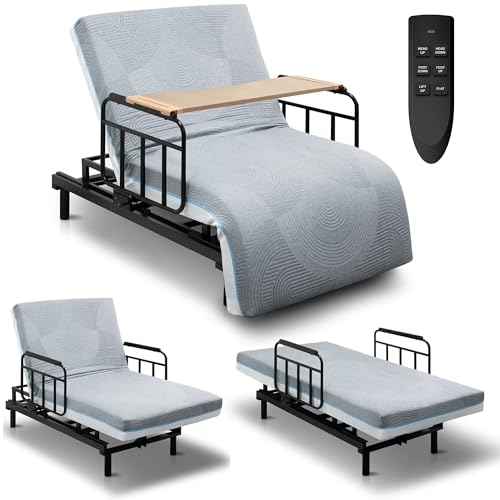
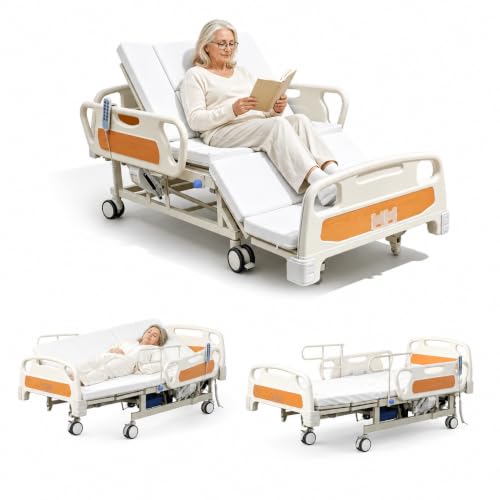
Adjustable Beds for Senior Citizens
Elevate your comfort, safety, and sleep quality with a bed designed around the needs of older adults. This complete guide explains how adjustable beds work, which features matter most, and how to choose the right model for you or a loved one.
Explore Recommended OptionsAs we age, the body’s needs change. Joint stiffness, reduced mobility, acid reflux, and breathing difficulties can all make a standard flat bed feel uncomfortable. An adjustable bed for senior citizens allows the head and foot sections to be raised independently, supporting the body in ways a traditional bed cannot. Whether you are researching for yourself or helping a parent or grandparent, this guide walks you through every consideration so you can make an informed, confident decision.
Why this matters: A well-chosen adjustable bed can help reduce morning stiffness, make getting in and out of bed safer, and improve overall sleep quality. The key is understanding which features support specific needs rather than paying for options you do not use.
Key Benefits of Adjustable Beds for Seniors
Adjustable beds are more than a comfort upgrade. For older adults, they can address several practical and health-related concerns at once. Below are the most significant advantages reported by seniors and caregivers.
Easier Breathing
Raising the head section helps keep airways open, which can ease snoring, mild sleep apnea symptoms, and congestion.
Reduced Joint Pressure
Elevating the legs improves circulation and reduces swelling, while a slightly raised head relieves pressure on the lower back and hips.
Safer Transfers
Sitting up before standing reduces dizziness and lowers the risk of falls. Some models also offer height adjustment for easier access.
Acid Reflux Relief
Sleeping with the upper body slightly elevated can reduce nighttime reflux and heartburn discomfort.
Better Circulation
Leg elevation supports blood flow and can alleviate heaviness or swelling in the lower limbs after long periods of sitting.
Independence
Wireless remotes and simple controls let seniors adjust their position without assistance, preserving autonomy and dignity.
How Adjustable Beds Work
An adjustable bed consists of a motorized base that articulates at the head and foot. Most modern models use quiet electric motors controlled by a wired or wireless remote. The base is designed to support a compatible mattress, typically memory foam, latex, or a flexible hybrid. Unlike a hospital bed, a home adjustable bed is styled to fit standard bedroom furniture and is available in common mattress sizes.
Seniors who need extra assistance getting in and out may benefit from models with height adjustment, which raise or lower the entire bed frame. This feature is particularly useful for caregivers and for anyone who uses a walker or wheelchair. If you are comparing basic articulating bases, see our guide to adjustable bed frames for a closer look at motor types and construction.
Features That Matter Most for Older Adults
Not every feature is essential, but a few are especially valuable for senior users. Prioritize the following when comparing models.
- Wireless remote with large buttons: Easy to read and operate, especially for those with arthritis or reduced vision.
- Emergency power-down: Allows the bed to return to a flat position during a power outage.
- Height adjustment: Helps seniors stand up safely and makes caregiving easier.
- Massage and heat: Can soothe muscle stiffness; see adjustable beds with heat and massage for options.
- Under-bed lighting: Improves nighttime visibility and reduces fall risk.
- Split design for couples: A split king or split queen lets each partner adjust independently.
- Sturdy weight capacity: Important for larger users; see adjustable beds for heavy people.
Practical tip: If the user has back pain or mobility limitations, a model with a zero-gravity preset can provide a comfortable, pressure-relieving position at the touch of a button.
Choosing the Right Size
Size selection depends on whether the bed is for one person or a couple, and on the available bedroom space. The table below summarizes common options for senior users.
| Size | Best For | Notes |
|---|---|---|
| Twin / Twin XL | Single sleepers and smaller rooms | Twin XL offers extra legroom; see adjustable twin beds for seniors. |
| Full | Single sleepers who want more width | Less common in adjustable designs; check availability. |
| Queen | Couples or single sleepers wanting space | See adjustable queen beds for seniors. |
| Split Queen | Couples with different comfort preferences | Two independent bases within a queen footprint; see split queen adjustable beds. |
| King / Split King | Couples wanting maximum space | Split king allows fully independent adjustment; see split king adjustable beds. |
Mattress Compatibility
An adjustable bed performs best with a mattress that can flex without damage. Memory foam, latex, and flexible hybrid mattresses are ideal. Traditional innerspring mattresses may not bend sufficiently and can develop structural issues over time. Many adjustable bed packages include a compatible mattress; if you are buying separately, check the manufacturer’s recommendations. Our guide to adjustable beds with mattress explains bundle options and what to verify before purchase.
For seniors who sleep hot or have allergies, breathable covers and washable mattress protectors are worthwhile additions. A fitted sheet designed for adjustable beds, such as bamboo sheets for adjustable beds, will stay in place as the bed articulates.
Safety Considerations
Safety is a top priority for senior sleepers. Keep the following in mind:
- Place the bed at a height that allows the user to sit with feet flat on the floor.
- Keep the remote within easy reach, ideally in a fixed holder or on a bedside table.
- Use a bedside table on wheels so essentials stay accessible as the bed position changes.
- Ensure the bed frame is stable and rated for the user’s weight.
- Test the emergency power-down function before relying on the bed.
- Keep cords tidy to prevent tripping hazards.
Coverage and Medical Necessity
Some adjustable beds may qualify for partial coverage when prescribed for a documented medical condition. Coverage rules vary, and approval usually requires a doctor’s note and specific documentation. For a detailed overview, see our articles on adjustable beds covered by Medicare and adjustable beds for seniors and Medicare. Always confirm eligibility directly with Medicare and any supplemental insurer before making a purchase.
Setup and Placement Tips
Most adjustable bases ship in compact boxes and require assembly. Many manufacturers offer white-glove delivery, which is worth considering for seniors who cannot manage heavy components. Before delivery, measure the bedroom, hallway, and doorway to ensure the base will fit. Leave clearance around the bed for walking aids and for the base to articulate without obstruction. If the bed replaces an existing frame, confirm whether the new base can be used with or without a traditional bed frame; many models work directly on the floor or inside a compatible frame.
Comparing Quality Tiers
Adjustable beds vary widely in construction, motor quality, and feature set. The table below groups models by market tier so you can match expectations to needs without focusing on numeric figures.
| Tier | Typical Characteristics | Best For |
|---|---|---|
| Entry-level | Basic head and foot articulation, wired remote, standard motor | Occasional use, simple positioning needs |
| Mid-range | Wireless remote, quieter motor, USB ports, emergency power-down | Daily use, seniors who value convenience and reliability |
| Premium | Massage, under-bed lighting, height adjustment, app control | Users with specific comfort or mobility requirements |
| Luxury / flagship | Split articulation, advanced massage programs, premium materials, smart-home integration | Couples and users seeking maximum customization |
Mid-range models often offer the best balance of durability and features for senior users. Entry-level bases can work well for a guest room or occasional use, while premium and luxury tiers add conveniences that may be valuable for daily comfort and caregiving.
Frequently Asked Questions
What are the main benefits of adjustable beds for senior citizens?
Adjustable beds offer head and foot elevation that supports breathing, reduces pressure on joints, eases acid reflux, and helps seniors get in and out of bed more safely. They also improve circulation and overall sleep comfort.
What size adjustable bed is best for a senior?
Twin and twin XL sizes are common for single sleepers, while queen and split king sizes suit couples. Split designs allow each partner to adjust independently. Choose based on room space, partner needs, and mattress compatibility.
Do adjustable beds work with any mattress?
Adjustable beds are best paired with flexible mattresses such as memory foam, latex, or hybrid models. Traditional innerspring mattresses may not flex well and can be damaged by repeated articulation.
Are adjustable beds for seniors covered by Medicare?
Coverage depends on medical necessity and documentation from a healthcare provider. Some adjustable beds classified as medical equipment may qualify partially. Always verify with Medicare and your supplemental insurer before purchasing.
Ready to compare specific models? Explore our recommended adjustable beds for senior citizens below, chosen for comfort, safety features, and reliability.
View Recommended Options