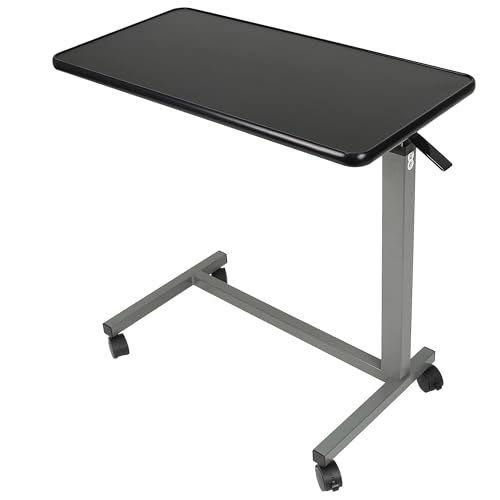
Adjustable Overbed Bedside Table with Wheels: The Complete Guide
Learn how a wheeled, height-adjustable overbed table can bring meals, laptops, books, and essentials within easy reach — whether you are recovering at home, caring for a loved one, or simply looking for a more versatile bedside setup.
Why this guide matters: An adjustable overbed bedside table with wheels is a small piece of furniture that can make a big difference in daily comfort. It supports independent living for seniors, reduces strain for people with limited mobility, and adds flexible surface space to any bedroom. This guide walks you through how these tables work, what to look for, and how to match one to your specific needs.
What Is an Adjustable Overbed Bedside Table?
An adjustable overbed bedside table is a freestanding table designed to slide over a bed, sofa, or chair so that the surface sits directly in front of the user. The two defining features are height adjustment and mobility. Most models use a telescoping column or a locking pin system to raise and lower the tabletop, while a wheeled base lets the table move smoothly across the floor.
These tables are sometimes called overbed tables, hospital-style tables, or mobility tables. They are commonly used in home recovery, senior care, and accessible bedroom setups. Unlike a fixed nightstand, an overbed table follows the user — which is exactly what makes it useful for people who spend extended periods in bed or in a chair.
If you are comparing this table with a more traditional bedside option, it helps to understand the difference between a standard adjustable bedside table with wheels and a full overbed design. A standard bedside table sits to the side of the bed, while an overbed table spans across the lap area for direct access.
Key Features to Evaluate Before You Choose
Not all overbed tables are built the same. The features below are the ones that most directly affect daily usability, safety, and long-term satisfaction.
Height Adjustment Range
A wider adjustment range accommodates different bed heights and seating positions. Look for a range that comfortably spans from low lounge chairs to raised hospital-style beds.
Tilt and Swivel
Some tabletops tilt for reading or typing, and some swivel horizontally. These features are helpful for laptops, books, and meals, but they add mechanical complexity.
Wheel Quality and Locking
Dual-wheel casters roll more smoothly than single wheels. Locking casters keep the table stable while in use, which matters for safety during meals and transfers.
Weight Capacity
A higher load rating supports heavier items such as laptops, dinner trays, and medical devices. Reinforced frames generally handle more weight with less wobble.
Tabletop Size and Edge
Larger surfaces suit meals and laptops, while a raised lip or spill guard helps contain accidental spills. Rounded corners reduce the risk of bumps.
Frame Material and Finish
High-grade steel with a rust-proof finish is common in durable models. Wood-look laminates offer a warmer appearance for bedroom settings.
Assembly and Storage
Most models assemble with basic tools. Consider whether the table needs to fold or tuck away when not in use, especially in smaller rooms.
Caster Clearance
Low-profile casters slide under bed frames and furniture more easily. Check the base height against your bed frame and floor transitions.
Market Tiers: Matching the Table to Your Needs
Overbed tables fall into a few broad tiers. Instead of focusing on numbers, it helps to think about how each tier is built and who it serves best. The table below uses neutral tier descriptors so you can compare models on substance rather than marketing claims.
| Tier | Typical Construction | Best For |
|---|---|---|
| Essential tier | Lightweight steel frame, basic height pin, single-wheel casters | Occasional use, short-term recovery, light items |
| Mid-tier | Reinforced frame, smoother adjustment column, dual-wheel locking casters | Daily home care, seniors, regular meal and laptop use |
| High-end tier | Heavy-duty steel, tilt and swivel tabletop, wide adjustment range, premium casters | Long-term care, heavier loads, multi-user households |
| Professional-grade | Commercial-grade frame, precision adjustment, high load rating, durable finish | Care facilities, frequent transfers, demanding daily use |
In general, mid-tier models offer a good balance of stability and smooth movement for most households. Entry-level tables are a solid choice for temporary needs, while high-end and professional-grade models are a worthwhile investment for long-term or heavier use.
Who Benefits Most from an Overbed Table?
These tables are versatile, but they are especially valuable in a few situations:
- Seniors and elderly users: An overbed table reduces the need to reach, bend, or carry items across the room, which supports safer independent living. Many families pair one with an adjustable bed for senior citizens to create a more complete care setup.
- People recovering from surgery or illness: Meals, medication, water, and a phone can all stay within reach without repeated trips or assistance.
- People with limited mobility: The wheeled base lets a caregiver reposition the table easily, and locking casters keep it steady during use.
- Remote workers and students: A tilting tabletop can serve as a flexible laptop desk for working from bed or a lounge chair.
- Small bedrooms: A single overbed table can replace both a nightstand and a small desk, freeing up floor space.
If you are also evaluating broader mobility furniture, our guide to adjustable beds for the elderly covers how beds and tables work together in a care-focused bedroom.
How to Use and Position the Table Safely
Correct positioning makes a big difference in comfort and safety. Follow these practical steps:
- Set the height first: Adjust the table so the surface sits at a comfortable height for the user — roughly at elbow level when seated for meals, or slightly lower for typing.
- Lock the casters: Engage the wheel locks before placing hot food, drinks, or heavy items on the table.
- Keep the base clear: Position the table's base so it does not block foot movement or create a tripping hazard around the bed.
- Avoid overloading: Respect the stated load rating. Distribute weight toward the center of the tabletop rather than the edges.
- Check stability on transitions: Rugs, thresholds, and uneven floors can affect rolling. Test the table's movement before relying on it daily.
- Clean the casters regularly: Hair and dust collect in wheels; a quick clean keeps rolling smooth and prevents floor scratches.
Overbed Table vs. Traditional Bedside Table
Both options have a place in a bedroom. A traditional bedside table stays in one spot and works well for a lamp, phone, and a book. An adjustable overbed table moves with the user and provides a larger working surface. For households with a mix of needs, the two can coexist: a fixed nightstand on one side and an overbed table for meals or work.
If space is the main concern, some bedroom sets combine a bed frame with integrated side surfaces. Our overview of a bed frame with bedside tables explains how built-in storage compares with freestanding tables.
Practical Buying Checklist
Before you commit to a model, run through this checklist:
- Measure the height of your bed, sofa, and chairs, then confirm the table's adjustment range covers them.
- Check the base width and caster height against your bed frame and any rugs.
- Confirm the load rating suits your typical items — meals, laptop, books, or medical devices.
- Decide whether tilt and swivel features are worth the added complexity for your use case.
- Look for locking casters and a raised tabletop edge for spill protection.
- Review the assembly instructions and required tools before ordering.
- Read owner feedback on stability, wobble, and rolling smoothness over time.
Ready to Explore Your Options?
Browse recommended adjustable overbed bedside tables with wheels in the product section below, and compare features side by side to find the model that fits your room and routine.
Frequently Asked Questions
Can an overbed table be used on a sofa or recliner?
Yes. Many adjustable overbed tables are designed with a wide height range and a base that slides under seating, making them suitable for sofas, recliners, and lounge chairs as well as beds.
Do the wheels damage hardwood floors?
Most quality casters are made from materials that roll smoothly on hard floors. Soft or worn casters can scratch delicate surfaces, so check for smooth-rolling wheels and consider a floor protector if the table is used daily.
Is an overbed table sturdy enough for a laptop?
Mid-tier and high-end models with reinforced frames generally handle a laptop, a drink, and a notebook comfortably. Check the load rating and avoid placing heavy items near the tabletop edge.
How do I clean an overbed table?
Wipe the tabletop with a mild household cleaner and a soft cloth. Clean the casters with a brush or vacuum to remove hair and dust, and check the adjustment column for dust buildup if the table is used daily.
Can I adjust the table while items are on it?
For safety, remove heavy or hot items before changing the height. This reduces the risk of spills and makes the adjustment mechanism easier to operate.
Does an overbed table work with an adjustable bed?
Yes. The wide height range of most overbed tables pairs well with adjustable beds, and the locking casters keep the table stable when the bed is raised or lowered. Our article on adjustable beds with height adjustment explains how to coordinate the two pieces of furniture.
Final Thoughts
An adjustable overbed bedside table with wheels is a practical, versatile addition to any bedroom where comfort and accessibility matter. The right model depends on how often the table will be used, the weight of the items it will hold, and the physical needs of the person using it. Use this guide as a reference, compare models by tier and features, and choose the table that supports your routine — whether that means independent living, caring for a loved one, or simply enjoying a more flexible bedside surface.