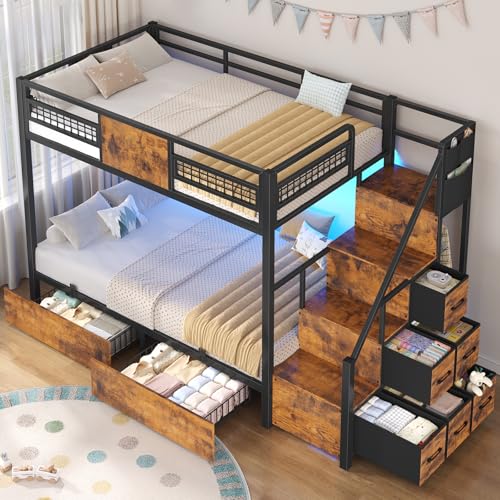
Affordable Bunk Beds with Storage: Smart Space-Saving Solutions
Maximize your bedroom space with bunk beds that combine sleeping areas with built-in storage. From under-bed drawers to staircase compartments, discover how the right storage bunk bed can organize your room without compromising on comfort or style.
Explore Storage OptionsSpace-Saving Meets Smart Organization: Bunk beds with storage solve two of the most common bedroom challenges at once — limited floor space and insufficient storage. Whether you are outfitting a children's room, a guest bedroom, or a compact apartment, a well-designed storage bunk bed delivers function and comfort without the footprint of two separate pieces of furniture.
Why Choose a Bunk Bed with Storage?
Storage bunk beds are more than just a clever way to fit two sleepers into a compact room. They represent a complete bedroom organization system that addresses the practical needs of modern living. For families with growing children, a bunk bed with drawers or staircase storage provides dedicated places for clothing, toys, and school supplies — keeping clutter off the floor and out of sight.
The appeal extends well beyond kids' rooms. Adults living in studio apartments or shared housing increasingly turn to bunk beds designed for adults, especially configurations that include built-in storage. These setups offer the structural integrity of standard beds while delivering the vertical space efficiency that small-footprint living demands.
When you combine sleeping and storage in one piece of furniture, you also simplify room layout. There is no need to find additional wall space for a dresser or shelving unit, which means more open floor area for movement and activities. This is especially valuable in rooms that serve multiple purposes throughout the day.
Another advantage is organizational clarity. Storage compartments built into the bed structure naturally encourage tidiness because every item has an assigned spot. Children learn to keep their belongings in order when storage is integrated into their sleeping environment.
Types of Storage Configurations
Storage bunk beds come in several configurations, each suited to different room layouts and organizational needs. Understanding these options helps you match the bed to your specific space and lifestyle.
Under-Bed Drawers
The most common storage solution, under-bed drawers typically occupy the space beneath the lower bunk. These drawers often come in sets of two or three and can be positioned on one or both sides of the bed. Drawers are ideal for clothing, bedding, and personal items that need to stay dust-free. Some designs feature full-extension glides for easy access to the entire drawer depth.
For rooms where the bed is placed against a wall, consider models with drawers on the accessible side only. If the bed will stand away from walls, dual-sided drawer access maximizes convenience. Many bunk beds with built-in dressers expand this concept by incorporating multiple drawer levels into the design.
Staircase Storage
Storage stairs replace traditional ladders with a safer, more accessible climbing solution while adding storage capacity. Each step can function as a compartment — often with a hinged lid or open cubby — for books, toys, or decorative items. Staircase storage is particularly popular in children's rooms because it eliminates the climbing hazard of ladders and provides easy-to-reach organization for younger users.
Some staircase designs include deeper compartments suitable for bedding or seasonal clothing. The trade-off is that staircase storage adds to the bed's overall width, so measure your room carefully before choosing this configuration.
Desk and Workspace Integration
For students or anyone working from home, bunk beds that integrate a desk or study area offer exceptional utility. These designs often place the desk beneath the lofted upper bunk or alongside the lower bunk. Storage may be built into the desk structure itself — drawers, shelves, or overhead cubbies — creating a complete work-and-sleep station in a single footprint.
If a dedicated workspace matters for your setup, explore bunk beds with desks and models with desks underneath the sleeping area for configurations that merge productivity with rest.
Shelving and Cubby Systems
Open shelving and cubby systems built into the bed frame provide visible, accessible storage for books, display items, and everyday essentials. These are less suitable for clothing or items that need protection from dust, but they excel for frequently used objects that benefit from being within arm's reach.
Combination Configurations
Many modern storage bunk beds combine multiple storage types — for example, drawers under the lower bunk plus staircase cubbies, or a desk with overhead shelving alongside under-bed storage. These hybrid designs deliver maximum utility but require more careful space planning to ensure the bed fits comfortably in your room.
Size and Layout Considerations
The size of your bunk bed with storage affects both sleeping comfort and storage capacity. Bunk beds commonly come in twin over twin, twin over full, and full over full configurations. The upper bunk size is typically fixed by safety considerations, while the lower bunk offers more flexibility.
Twin Over Twin
Twin over twin bunks are the most space-efficient option, making them a natural fit for smaller rooms. The narrower lower bunk leaves more floor space for storage drawers or a desk, depending on the configuration. These bunks work well for children sharing a room or for guest rooms where occasional use is expected.
Twin Over Full
The twin over full configuration provides a larger, more comfortable sleeping surface on the lower bunk — often preferred by teenagers or adults who share the room. The wider lower bunk may reduce the available space for side-mounted storage, but under-bed drawers and staircase storage remain viable options. Explore full bunk bed options for configurations that balance comfort and storage.
Full Over Full
Full over full bunks offer two generous sleeping surfaces and are often chosen when both users are older or when the room serves as a long-term sleeping space for adults. Storage in these configurations typically comes in the form of staircase compartments or under-bed drawers on the lower bunk. These beds require more floor space and higher ceilings to accommodate safely.
Loft and Custom Configurations
Loft-style storage bunk beds elevate the sleeping platform to create a larger contiguous storage or workspace area below. These designs work well in rooms with adequate ceiling height and are particularly useful when one sleeper can manage the climb. For specialized layouts, custom bunk beds for small rooms allow you to tailor storage placement to your exact room dimensions.
Tier Breakdown: Entry-Level to Premium
Storage bunk beds fall into several quality tiers, each with distinct characteristics in materials, construction, and storage features. Understanding these tiers helps you identify the right balance of durability, function, and design for your needs.
| Tier | Best For | Typical Characteristics |
|---|---|---|
| Entry-Level Tier | Occasional use, first bunk beds for young children, guest rooms | Simpler construction with engineered wood or lighter metal frames; basic drawer storage with standard glides; straightforward assembly; well-specified for basic sleeping and storage needs |
| Mid-Tier | Daily use by children and teens, shared rooms, long-term family use | Sturdier frames with reinforced joinery; smoother drawer mechanisms; staircase storage or desk integration; better finishes and edge detailing; competitive within its class for durability |
| High-End Tier | Adult users, primary bedrooms, heavy daily use, design-conscious rooms | Solid wood or high-grade steel construction; premium hardware; full-extension drawers; integrated shelving and workspace systems; refined finishes that complement interior decor; long-term investment for quality-focused buyers |
| Flagship / Professional-Grade | Commercial settings, large families, custom installations | Heavy-duty commercial-grade materials; modular storage systems; custom sizing options; professional installation often recommended; engineered for maximum longevity and heavy daily use |
Across all tiers, the key differentiators are frame stability, drawer smoothness and capacity, and the quality of finishes. Entry-level models typically use lighter materials and simpler joinery, while mid-range options usually step up to reinforced frames and smoother mechanisms. High-end and flagship tiers focus on premium materials and refined construction details that support heavier use over many years.
Safety and Construction Quality
Safety is paramount with any bunk bed, and storage features introduce additional considerations. The following construction details deserve close attention when evaluating any storage bunk bed.
Guardrails and Fall Protection
Upper bunks must have guardrails on all open sides, with rail heights sufficient to prevent accidental rolling. The gap between the guardrail and the mattress should be small enough to prevent a child from slipping through, yet large enough to allow easy bed-making. Check that guardrails are securely fastened and cannot be removed without tools.
Ladder and Stair Safety
If the bed uses a ladder, ensure it is firmly attached, has wide, flat rungs, and extends above the upper mattress level for a secure handhold. Storage staircases should have a handrail or side rail and steps that are deep enough for safe footing. Rounded edges on stairs and drawers reduce injury risk during daily use.
Weight Capacity and Frame Integrity
Verify the manufacturer's stated weight capacity for both the upper and lower bunks, and confirm that the storage components (drawers, shelving) are rated for their intended use. A reinforced frame with proper cross-bracing supports both the sleeping surface and the storage elements without flexing or wobbling.
Mattress Fit
The upper bunk mattress should be no thicker than the depth of the guardrail, ensuring that the sleeper cannot roll over the top of the rail. A mattress that fits the frame properly also prevents gaps that could trap limbs. For storage bunks with non-standard lower bunk sizes, confirm that standard mattresses in the stated size fit correctly.
Integrating Storage Bunks into Your Room
A storage bunk bed often becomes the visual centerpiece of a bedroom, so its integration into the overall room design matters. Consider these practical and aesthetic points when planning your layout.
Layout and Clearance
Maintain at least two feet of clearance around the bed for safe movement and drawer access. If the bed has drawers on one side, that side must face open floor space. For staircase access, ensure there is room to approach the stairs comfortably. Account for ceiling height — upper bunks typically require several feet of clearance above the mattress for safe sitting and sleeping.
Style and Finish Coordination
Storage bunk beds come in a range of finishes from painted white and neutral wood tones to darker stained woods and metal-and-wood combinations. Choose a finish that complements your existing furniture and the room's color palette. For style-conscious rooms, consider how the bed's lines and details fit your overall design direction — whether that is a clean modern look, rustic warmth, or playful children's styling.
Lighting and Ventilation
Bunk beds can create shadowed areas in the room, especially beneath the upper bunk and around staircase storage. Add bedside lighting or clip-on reading lights for the lower bunk, and consider how air circulates around the bed to maintain a comfortable sleeping environment. Storage compartments should not block vents or create damp pockets.
Kid-Friendly Organization
For children's rooms, label storage cubbies and drawers with words or simple icons to encourage independent organization. Lower drawers and open cubbies are easiest for young children to reach; higher storage or shelving can hold items that require adult access. This approach helps children develop good habits while keeping the room tidy.
Buying Checklist
Before finalizing your choice of a storage bunk bed, run through this checklist to ensure the model meets your needs and fits your space.
- Measure your room: Record ceiling height, wall lengths, and door and window positions. Confirm clearances for drawers and stairs.
- Decide on bunk configuration: Twin over twin for efficiency, twin over full for lower-bunk comfort, or full over full for two larger sleepers.
- Choose storage type: Drawers for concealed clothing storage, stairs for safe access and cubby storage, desks for workspace integration, or a combination.
- Check construction quality: Look for reinforced frames, secure guardrails, firm ladder or stair attachment, and smooth drawer hardware.
- Verify mattress compatibility: Ensure standard mattresses in the stated sizes fit, and that upper-bunk mattress thickness does not compromise guardrail safety.
- Review assembly and installation: Confirm what tools and time assembly requires, and whether professional installation is recommended for heavier or custom models.
- Plan for use over time: Consider whether the bed will serve young children, teens, or adults, and choose a tier that matches the expected duration and intensity of use.
Frequently Asked Questions
Are storage bunk beds suitable for adults?
Yes — many storage bunk beds are designed with adult weight capacities and larger lower bunks. Bunk beds designed for adults often feature sturdier frames and more generous sleeping surfaces. Adults typically use the lower bunk as the primary sleeping space, with the upper bunk serving as an occasional sleeper or storage platform.
How much storage do under-bed drawers provide?
Under-bed drawer capacity varies by configuration. A typical set of two drawers beneath a twin lower bunk offers enough space for clothing, bedding, or a season's worth of children's items. Staircase storage and combination designs add further capacity. For maximum storage, choose models that combine drawers with staircase cubbies or shelving.
Are staircases safer than ladders for children?
Storage staircases are generally considered safer for young children because they provide wider footing and, in many designs, a handrail. Ladders are acceptable for older children and adults who can climb safely. For rooms with younger children, staircase storage offers both safety and useful organizational space.
Can a storage bunk bed fit in a small room?
Yes — that is precisely their purpose. Twin over twin bunks with under-bed drawers are the most compact option, fitting into rooms where two standard beds would not. Measure carefully, though: staircase storage adds width, and drawers need clearance to open. For very tight spaces, custom bunk beds for small rooms can be tailored to exact dimensions.
What should I check before assembly?
Unpack and inspect all components before assembly begins. Verify that all hardware is present, that frame pieces are free of damage, and that the instruction manual matches the model you received. Follow the manufacturer's assembly sequence precisely, especially for guardrails, ladders or stairs, and any wall-anchoring requirements.
Do storage bunk beds need to be anchored to the wall?
Many manufacturers recommend or require wall anchoring for stability, particularly for taller models. Always follow the manufacturer's guidance. Anchoring prevents tipping and adds confidence when children climb the bed. If anchoring is not possible in your room, choose a model with a wide, stable base and thorough cross-bracing.
Ready to Reclaim Your Floor Space?
Explore our curated selection of storage bunk beds below, compare configurations, and find the model that fits your room and your life.
View Recommended Models