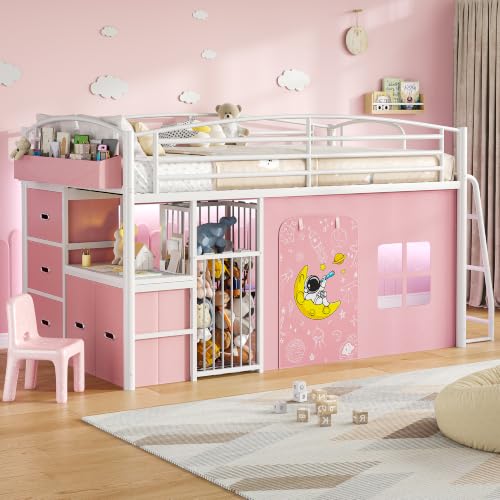
Bunk Beds with Desks Under Them: The Complete Space-Saving Guide
Turn one small footprint into two functional zones. Learn how bunk beds with built-in desks combine sleep and study, what to check before buying, and how to choose the right frame for students, teens, and compact bedrooms.
Explore Recommended ModelsIf you are researching bunk beds with desks under them, you already know the challenge: a bedroom that must serve as both a restful sleeping space and a productive study area, without feeling cramped. These hybrid furniture pieces solve that problem by stacking a bed above a dedicated workspace, effectively reclaiming the floor space a separate desk would occupy.
This guide walks you through the design types, structural considerations, safety essentials, and mattress compatibility you should evaluate before committing. By the end, you will have a clear checklist to match a model to your room, your sleeper, and your daily routine.
Quick orientation: A bunk bed with a desk under it is sometimes called a loft bunk bed with a study station. The key distinction from a standard bunk is the lower level: instead of a second mattress deck, it houses a desk, shelving, or a combined desk-and-drawer unit.
Why Choose a Bunk Bed with a Desk Underneath?
The appeal goes beyond saving space. These units reorganize a room into distinct functional layers, which can improve how a bedroom feels and how it is used throughout the day.
- Space efficiency: Sleeping and studying share one vertical footprint, freeing floor area for movement, storage, or play.
- Defined study zone: A dedicated desk under the bed creates a natural separation between rest and work, which supports better focus and healthier sleep habits.
- Storage integration: Many designs include shelves, drawers, or cubbies beneath or beside the desk, keeping school supplies organized. For related storage-focused options, see bunk beds with storage stairs and bunk beds with dressers built in.
- Long-term versatility: A well-built frame can serve a child through school years and adapt to a teen's study needs.
Types of Bunk Beds with Desks
Not every desk-bunk hybrid is built the same way. Understanding the main configurations helps you narrow down which style fits your room dimensions and the intended user.
1. Loft Bunk with a Full Desk Below
The upper level holds a single mattress, and the entire lower area is a workspace. This is the most common configuration and offers the largest desk surface. It works well when the room has enough ceiling height and when the desk will be used daily.
2. Bunk Bed with a Desk and Pull-Out Bed
Some models combine a top bunk, a lower desk, and a pull-out trundle or guest bed. These are useful for sleepovers or shared rooms. If this interests you, explore bunk beds with desk and pull-out bed for more detail on that layout.
3. Twin-Over-Twin Bunk with a Desk Nook
Here the upper bunk is paired with a lower bunk, and a desk is built into the side or end of the frame. It suits two sleepers who also need a shared study corner. See twin size bunk beds and bunk beds twin over twin for related options.
4. Desk-Integrated Bunk with Stairs or Ladder
Access to the top bunk can be a ladder or a staircase. Staircase models are often preferred for younger children and for anyone who wants a more secure climb. If stairs matter to you, review twin size bunk beds with stairs.
Design Comparison at a Glance
Use the table below to compare common configurations without focusing on commercial pricing. The "Tier" column reflects market positioning using neutral quality descriptors.
| Configuration | Tier | Best For | Key Consideration |
|---|---|---|---|
| Loft bunk with full desk below | Mid-range to premium | Students, teens, small bedrooms | Ceiling height and desk depth |
| Bunk with desk and pull-out bed | Premium | Guest rooms and shared rooms | Clearance for the pull-out mechanism |
| Twin-over-twin with desk nook | Entry-level to mid-range | Two sleepers with a shared study corner | Desk surface size |
| Desk bunk with staircase access | Mid-tier to high-end tier | Younger children, safety-focused buyers | Stair footprint and handrail design |
| Adult-rated heavy-duty desk bunk | Professional-grade to commercial-grade | Adults, dormitories, frequent use | Weight capacity and frame reinforcement |
Structural and Safety Considerations Before You Buy
Because a desk-bunk hybrid supports both a sleeper and a workspace, structural quality matters more than with a simple bed frame. The following points are the most common sources of buyer regret.
Frame Material and Build
Solid wood and high-grade steel frames are the most durable choices. Look for reinforced corner joints, a stable ladder attachment, and a finish that resists moisture and wear. Heavy-duty models are advisable for teens and adults; if that is your use case, review heavy-duty bunk beds with storage and heavy-duty full size bunk beds.
Guardrails and Ladder Design
Full-length guardrails on the upper bunk are essential. The ladder should be firmly fixed, with flat steps rather than round rungs for better grip. For younger sleepers, a staircase with a handrail is generally more secure.
Weight Capacity
Always check the manufacturer's stated weight limit for both the bed and the desk surface. A desk that is rated for a laptop and books is different from one intended to hold a desktop setup.
Ceiling Height
Measure the distance from floor to ceiling and subtract the frame height plus mattress thickness. The person on the top bunk needs enough headroom to sit up comfortably. Low-ceiling rooms may require a lower-profile model; see bunk beds for low ceilings.
Desk Ergonomics
The desk height should allow a seated user to rest their forearms at roughly elbow level. If the desk is built into the frame, confirm the seat clearance and whether a standard chair fits underneath.
Choosing the Right Mattress
Mattress compatibility is frequently overlooked. Bunk beds with desks typically use twin, twin XL, or full mattresses, and the frame is engineered around specific thickness ranges.
- Thickness: Exceeding the recommended mattress height can make guardrails ineffective. Follow the manufacturer's range.
- Firmness: A medium-firm mattress generally supports both children and adults well on bunk platforms.
- Replacement timing: Bunk mattresses wear faster in shared or high-use rooms. If yours is showing sagging or loss of support, see when to replace a mattress.
- Size confirmation: Twin XL is worth considering for taller teens; check whether the model supports it.
Planning the Room Around a Desk Bunk
Before ordering, sketch the room to scale. Account for the bed footprint, ladder or stair projection, desk chair pull-out space, and clearance for doors and closets.
- Place the desk where natural light reaches it without creating glare on a screen.
- Keep the ladder or stairs clear of furniture and rugs that could slide.
- Use vertical storage above the desk to reduce clutter on the work surface.
- For compact-room strategies, see small bedroom decor.
Who Should Consider a Desk Bunk?
These units are especially well suited to:
- Students and teens who need a quiet, dedicated study area in their bedroom.
- Small homes and apartments where a separate desk would crowd the room.
- Dorm rooms and shared housing, where space is at a premium; see dorm beds for related options.
- Guest or multi-use rooms that need to flex between sleeping and working.
If you are furnishing a shared room with two sleepers, also review quadruple bunk beds for adults and queen size bunk beds for adults.
Common Buying Mistakes to Avoid
- Skipping the ceiling measurement. Headroom is the most common reason a desk bunk feels wrong after installation.
- Ignoring desk depth. A shallow desk surface makes daily study uncomfortable.
- Choosing a frame not rated for the user. Adult use requires an adult-rated or commercial-grade frame.
- Overlooking assembly requirements. Some models require two people and several hours to assemble safely.
- Forgetting the chair. Confirm that a comfortable chair fits under the desk and that the user can sit upright without hitting the bed above.
Related Space-Saving Options
If a desk bunk is not quite the right fit, these related categories may suit your room better:
- Adult loft beds for adults when the lower level is used for seating or storage rather than study.
- Wall-mounted folding bunk beds for rooms that must convert between uses.
- Low profile bunk beds for adults for rooms with limited ceiling height.
- Bunk beds that separate into twin beds for long-term flexibility.
Frequently Asked Questions
What is a bunk bed with a desk under it?
Are bunk beds with desks safe for children and teens?
How much space does a bunk bed with a desk save?
Can adults use bunk beds with desks under them?
What mattress size fits a bunk bed with a desk?
Final Checklist Before You Decide
Use this short checklist to confirm your choice:
- Measured ceiling height and confirmed headroom.
- Verified the frame is rated for the intended user.
- Checked guardrail coverage and ladder or stair stability.
- Confirmed mattress size and thickness compatibility.
- Planned desk chair clearance and lighting.
- Reviewed storage needs and chosen a model with the right shelving or drawers.
With those boxes ticked, a bunk bed with a desk underneath becomes a genuinely practical investment for a compact, multi-purpose bedroom.