Bed Canopy for Bunk Beds: The Complete Guide
Transform your child's bunk bed into a magical sleep space with the right canopy. Learn about safety, styles, materials, and installation to make a confident choice for your family.
Start ExploringWhy a bunk bed canopy? A canopy adds privacy, reduces light, creates a cozy atmosphere, and turns an ordinary bunk bed into a personalized retreat. Whether you are furnishing a shared kids' room or upgrading a guest space, the right canopy can redefine the entire room's feel.
What Is a Bed Canopy for Bunk Beds?
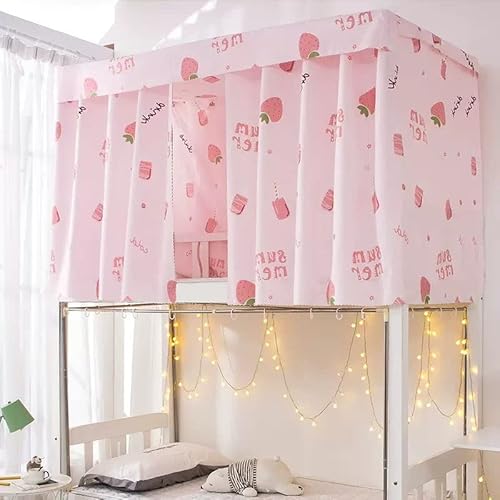
A bed canopy for bunk beds is a fabric or mesh structure that drapes over or around the bunk bed frame to create a semi-enclosed sleeping environment. Unlike traditional four-poster canopies, bunk bed canopies are specifically engineered to accommodate the stacked layout of bunk beds, often attaching to the upper bunk's frame or ceiling above.
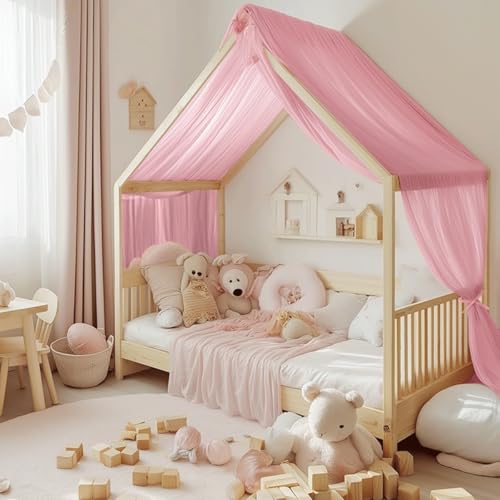
These canopies come in several forms: hanging fabric panels, tension-mounted tents, freestanding frames, and ceiling-suspended designs. Each offers a different balance of privacy, airflow, ease of installation, and visual impact. For families, the primary appeal is often the sense of adventure and personal space a canopy provides, especially in shared bedrooms.
When shopping for a bunk bed canopy, consider the ceiling height, the bunk bed's dimensions, the age of the sleeper, and the room's overall style. You will find options ranging from entry-level fabric tents to premium custom-fit drapery systems, each suited to different needs and interior aesthetics.
Why Add a Canopy to Your Bunk Bed?
Beyond the visual appeal, a canopy serves practical purposes that can improve sleep quality and room functionality. Here are the key benefits:
- Privacy and personal space: In shared rooms, a canopy gives each sleeper a defined private zone, which is especially valuable for children sharing a bunk bed.
- Light reduction: Fabric canopies block ambient light, helping create a darker environment that supports melatonin production and deeper sleep.
- Cozy atmosphere: The enclosed feeling of a canopy can reduce anxiety and make bedtime more inviting, particularly for younger children.
- Dust and draft protection: A canopy can act as a light barrier against dust and drafts, though it is not a substitute for proper bedding hygiene.
- Room aesthetics: A well-chosen canopy becomes a focal point that ties the room's decor together, from playful themes to elegant neutrals.
If you are also considering the broader sleep environment, explore our guides on back sleeper support and aromatherapy for sleep to complement the calming effect a canopy provides.
Types of Bunk Bed Canopies
Understanding the main canopy styles will help you narrow down the best fit for your bunk bed and room layout. Here is a breakdown of the most common types:
| Type | Best For | Installation | Airflow |
|---|---|---|---|
| Ceiling-hung canopy | Rooms with high ceilings and a permanent setup | Ceiling hook or bracket into joist | Excellent — open sides allow free air movement |
| Frame-mounted canopy | Standard bunk beds with sturdy posts | Clamps or brackets onto the bed frame | Good — depends on fabric density |
| Tension rod canopy | Rentals or temporary setups | Spring-loaded rod between walls or posts | Moderate — may require periodic re-tensioning |
| Pop-up tent canopy | Young children and play-focused rooms | Folds out and sits on the mattress | Limited — mesh panels help |
| Freestanding frame canopy | Rentals and rooms where drilling is not possible | Assembled frame stands behind or around bed | Excellent — open design |
For a more traditional look, you might also explore four-poster canopy beds, which offer a similar aesthetic but are standalone bed designs rather than add-on canopies.
Safety Considerations for Bunk Bed Canopies
Safety should be the first filter in your decision-making process, especially when the bunk bed is used by children. Keep these guidelines in mind:
- Fire resistance: Choose fabrics that are fire-retardant or treated with flame-resistant finishes. This is a non-negotiable for children's sleep environments.
- Secure attachment: Ensure the canopy is firmly anchored. Loose fabric or unstable frames can pose entanglement or fall hazards.
- Clear ladder and guardrail access: The canopy should never obstruct the ladder, guardrails, or the path to the bathroom at night.
- Breathable materials: Avoid thick, non-porous fabrics that trap heat and reduce airflow, especially in warm climates.
- Age-appropriate design: Pop-up tents and low-hanging canopies are generally safer for younger children than long draping fabrics that can be pulled.
- Regular inspection: Check hooks, brackets, and fabric seams periodically for wear and re-tighten as needed.
Pro tip: If your bunk bed has a guardrail, choose a canopy that mounts above the rail height rather than draping over it. This keeps the safety barrier fully functional.
Choosing the Right Material
The fabric you choose affects breathability, durability, maintenance, and the overall look. Here is a quick comparison of common canopy materials:
| Material | Breathability | Durability | Maintenance |
|---|---|---|---|
| Cotton | High | Moderate | Machine washable, may wrinkle |
| Polyester blend | Moderate | High | Easy care, wrinkle-resistant |
| Linen | Very high | High | Dry clean or gentle wash, natural texture |
| Mesh/net | Excellent | Moderate | Wipe clean, ideal for tents |
| Sheer voile | High | Low to moderate | Hand wash, delicate |
For a premium look and feel, linen canopies offer a natural, upscale aesthetic and excellent airflow. If you want something easier to maintain for a child's room, a polyester blend is a practical choice. You can also explore bamboo bedding options to complement the breathable, natural theme.
Pros and Cons at a Glance
Advantages
- Creates a cozy, private sleep zone
- Reduces light for better rest
- Enhances room decor and theme
- Easy to install with basic tools
- Available in many styles and tiers
- Can help reduce anxiety at bedtime
Considerations
- Must be installed securely for safety
- Fabric can collect dust over time
- May obstruct airflow if poorly chosen
- Ceiling height can limit options
- Some designs require periodic adjustment
- Not all canopies are fire-retardant by default
How to Choose the Best Canopy for Your Bunk Bed
Use this step-by-step framework to make a confident purchase:
- Measure your bunk bed and room: Note the ceiling height, the top bunk's guardrail height, and the distance between the two bunks. These dimensions determine which canopy types will fit safely.
- Decide on installation preference: If you can drill into the ceiling, a ceiling-hung canopy offers the most elegant drape. For rentals or temporary setups, choose a tension rod or freestanding frame.
- Prioritize safety features: Look for fire-retardant fabric, secure mounting hardware, and designs that do not interfere with guardrails or ladders.
- Match the material to your climate and maintenance routine: Breathable cotton or linen for warm rooms; easy-care polyester for busy households.
- Consider the sleeper's age: Pop-up tents and mesh canopies are excellent for younger children, while older kids and teens may prefer a sleek drape or minimalist frame design.
- Align with room decor: Choose colors and textures that complement the existing bedding and furniture. A canopy is a visual statement, so treat it as part of the room's design story.
If you are also upgrading the bed itself, our bed frame comparison guide can help you evaluate frame options that pair well with canopy installations.
Installation Tips and Best Practices
Proper installation is the difference between a magical canopy and a safety hazard. Follow these best practices:
- Read the manufacturer's instructions thoroughly before starting. Each canopy type has specific hardware and weight limits.
- Anchor into structural support: For ceiling-mounted canopies, always drill into a ceiling joist or use appropriate anchors rated for the canopy's weight.
- Keep the ladder clear: Position the canopy so that the ladder and the path around the bunk bed remain unobstructed.
- Test stability: After installation, gently tug on the fabric and frame to confirm everything is secure. Re-check after the first week of use.
- Involve the sleeper: If the canopy is for a child, show them how to enter and exit safely and explain that the canopy is not a toy or climbing structure.
- Plan for cleaning: Choose a canopy that can be removed easily for washing, and follow the care label to preserve fabric integrity.
For broader bedroom setup guidance, see our complete bed buying guide.
Ready to Transform Your Bunk Bed?
Explore our curated selection of bunk bed canopies and find the perfect match for your space, style, and safety needs.
View Recommended CanopiesFrequently Asked Questions
Are bed canopies for bunk beds safe for children?
Yes, when properly installed and selected with safety in mind. Choose canopies made from breathable, fire-retardant materials and ensure they are securely attached to the bunk bed frame. Avoid loose hanging fabric near the ladder or guardrails, and always follow the manufacturer's weight and age recommendations.
What is the best material for a bunk bed canopy?
Cotton and polyester blends are popular for their breathability and durability. For a more premium feel, linen offers excellent airflow and a natural look. Always prioritize fabrics that are fire-retardant or treated with flame-resistant finishes, especially for children's rooms.
Can a bed canopy fit any bunk bed size?
Most canopies are designed to fit standard twin-over-twin or twin-over-full bunk beds. However, it is essential to measure your bunk bed's dimensions, including the height of the guardrails and the distance between the top and bottom bunks, before purchasing. Some canopies are adjustable, while others are tailored to specific sizes.
How do I install a canopy on a bunk bed?
Installation methods vary by design. Common approaches include ceiling-mounted hooks, frame-mounted brackets that clamp onto the bunk bed posts, or freestanding frames that stand behind the bed. Always use the provided hardware and follow the instructions carefully. For ceiling mounts, ensure you anchor into a ceiling joist for secure support.
Can adults use a bunk bed canopy?
Absolutely. Canopies are not just for children. Adults in shared spaces, guest rooms, or studio apartments can use canopies to create privacy and a cozy atmosphere. Look for larger, ceiling-hung designs that accommodate adult-sized bunk beds or loft beds. You may also explore adult bunk beds with mattress options for a complete setup.
How do I clean a bunk bed canopy?
Most fabric canopies are machine washable on a gentle cycle, but always check the care label first. Remove the canopy from its frame or hooks, shake out loose dust, and wash according to the manufacturer's instructions. Mesh and tent-style canopies can usually be wiped down with a damp cloth. Air-dry thoroughly before reinstalling.
Will a canopy make the bunk bed too hot?
It depends on the material and design. Breathable fabrics like cotton, linen, and mesh allow air to circulate freely and are suitable for warm rooms. Avoid thick, non-porous fabrics that trap heat. Open-sided canopy designs also promote better airflow than fully enclosed tents. For more on temperature and sleep, see our guide to the ideal sleep temperature.
What if my ceiling is too low for a hanging canopy?
If your ceiling height is limited, consider a frame-mounted canopy, a tension rod design, or a pop-up tent that sits directly on the mattress. These options do not require ceiling suspension and can still deliver the cozy, enclosed feeling without the need for vertical clearance.
Explore More Bedroom Inspiration
Whether you are designing a shared kids' room or upgrading a guest space, these related guides can help you complete the look:
- 2 Sets of Bunk Beds in One Room: Layout Ideas — practical planning for multi-bunk rooms.
- Bunk Beds with Storage: Smart Space-Saving Options — combine sleeping and storage efficiently.
- Twin Over Queen Bunk Beds for Adults — larger bunk options for teens and adults.
- Bed Frames with Bedside Tables — integrated furniture solutions for compact rooms.
- Adjustable Loft Beds for Adults — flexible height options for multi-use spaces.