Bedroom Bedside Cabinets: The Complete Buying Guide
Your bedside cabinet is more than a place to set a lamp and a glass of water. It is a functional anchor of your bedroom layout, a storage solution for the items you reach for every night, and a design element that ties your room together. This guide walks you through every decision so you can choose with confidence.
Why bedside cabinets matter: A well-chosen bedside cabinet keeps essentials within arm's reach, reduces clutter on the floor and bed, and completes the visual balance of your bedroom. Whether you are furnishing a compact apartment, upgrading a master suite, or refreshing a guest room, understanding size, material, and storage options helps you make a smart, long-lasting choice.
Choosing the Right Size and Proportion
Size is the first practical consideration. A bedside cabinet that is too tall makes reaching uncomfortable; one that is too wide can crowd the space between the bed and the wall. Start by measuring the available gap on each side of your bed, then match the cabinet to your mattress height.
Compact Rooms
In smaller bedrooms, aim for a cabinet roughly 15 to 18 inches wide. Single-drawer models with an open shelf below keep the footprint small while still offering usable storage. Wall-mounted or floating designs remove floor obstruction entirely.
Standard Bedrooms
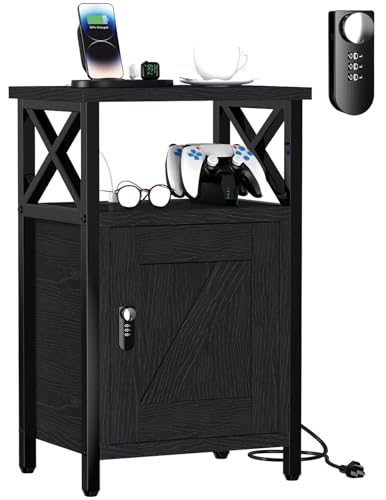
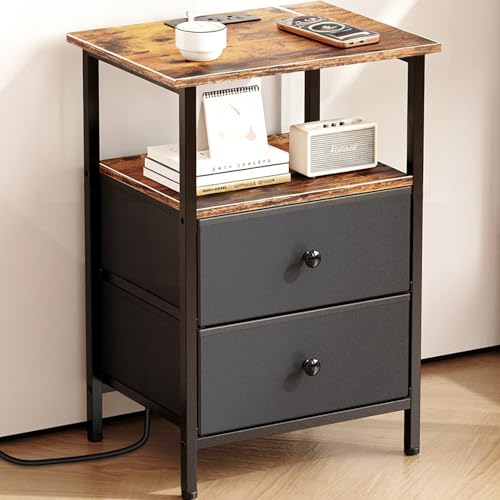
A cabinet 18 to 24 inches wide is the most common choice for standard bedrooms. Two drawers or a drawer plus a shelf handle books, chargers, and reading glasses comfortably without dominating the space.
Primary Suites
Larger rooms can accommodate cabinets 24 to 30 inches wide with multiple drawers, deeper storage, or integrated charging stations. These mid-range and premium tier options add a substantial, finished look to the room.
Materials and Build Quality
The material determines durability, weight, and the visual character of the cabinet. Each option sits in a different market tier, so match the material to how heavily you plan to use the piece.
Solid Wood
Solid wood cabinets offer the most durable construction and age gracefully. Oak, walnut, and pine are common choices. This is typically a premium or luxury tier investment, but the longevity makes it a worthwhile long-term purchase.
Engineered Wood with Veneer
Particleboard or MDF cores with a wood veneer finish provide a stable, well-finished look at a mid-range tier. Quality hinges and drawer runners matter more than the core material here, so check the hardware before deciding.
Metal
Metal cabinets suit industrial, modern, and minimalist interiors. They are often the most durable option for their tier and resist wear well. Look for rust-proof finishes and reinforced joints for a solid build.
Rattan and Cane
Woven fronts add warmth and texture to relaxed, bohemian, and coastal rooms. These are usually entry-level to mid-range pieces, and they pair beautifully with wooden bed frames and soft linens.
Storage Features That Actually Help
Think about what you keep at your bedside each night: phone, glasses, a book, a lamp, maybe medication or a water bottle. The right storage configuration depends on those habits.
Drawers
One or two drawers hide clutter effectively. Soft-close runners prevent slamming and protect the cabinet over years of use. Drawers are the most practical option for keeping surfaces clear.
Open Shelves
Open shelves make frequently used items easy to grab and give a lighter visual feel. They work well in small rooms where closed storage would feel heavy.
Cable Management
If you charge devices overnight, look for a cabinet with a cable cutout or a built-in charging station. This keeps cords tidy and prevents the surface from becoming a tangle of wires.
Integrated Lighting
Some models include a built-in reading light or a touch-sensitive lamp base. These are convenient for late-night reading without disturbing a partner.
Matching Your Cabinet to Your Bedroom Style
The cabinet should feel like it belongs in the room, not like an afterthought. Use your existing bed frame and dominant materials as the starting point.
| Style | Best Cabinet Material | Key Details |
|---|---|---|
| Modern | Metal, high-gloss engineered wood | Clean lines, minimal hardware, floating designs |
| Scandinavian | Light wood, white-painted wood | Tapered legs, rounded edges, natural finishes |
| Rustic | Solid reclaimed wood, distressed finishes | Visible grain, iron hardware, deep tones |
| Industrial | Metal with wood tops | Exposed rivets, pipe-style legs, matte finishes |
| Bohemian | Rattan, cane, carved wood | Textured fronts, warm tones, mixed materials |
Placement and Layout Advice
How you position the cabinets affects both function and flow. Keep the cabinet close enough to reach comfortably from the bed, but leave enough clearance so you can open drawers without obstruction. On the side facing a doorway or wardrobe, allow at least a few inches of gap so the piece does not feel cramped.
If you have a matching bed frame with built-in storage or a headboard with shelving, consider a simpler cabinet to avoid visual clutter. For rooms where symmetry matters, matching cabinets on both sides create a calm, ordered feel. In tighter rooms, a single cabinet on one side paired with a small wall shelf on the other keeps the layout balanced without crowding.
Explore our full range of bedroom furniture guides for complementary pieces, or see how cabinets pair with beds with headboards and bedroom benches to complete the room.
Frequently Asked Questions
What size bedside cabinet should I choose for a small bedroom?
For a small bedroom, a compact bedside cabinet measuring roughly 15 to 18 inches wide and 18 to 22 inches tall works well. Look for models with a single drawer and an open shelf, or consider wall-mounted designs that free up floor space.
What is the ideal height for a bedside cabinet relative to the bed?
The top of your bedside cabinet should sit roughly level with or slightly below the top of your mattress. This makes it comfortable to reach items while lying in bed. Most standard bedside cabinets are between 22 and 28 inches tall.
Which material is best for bedside cabinets?
Solid wood offers the greatest durability and a timeless look, while engineered wood with veneer provides a stable, well-finished option at a lower tier. Metal cabinets suit industrial and modern styles, and rattan or cane-front designs add warmth to relaxed, bohemian interiors.
Do I need two matching bedside cabinets?
Matching cabinets create a balanced, symmetrical look, but they are not essential. Mixed designs can work well in eclectic or minimalist rooms as long as the heights are similar. If space is tight on one side, a single cabinet paired with a small shelf or wall sconce is a practical alternative.
Ready to Complete Your Bedroom Setup?
Pair your new bedside cabinet with the right bed frame, bedding, and storage pieces to create a bedroom that works as well as it looks.
Explore Bedroom Decor Ideas