Beds with Headboard: The Complete Buyer's Guide
Learn how a headboard transforms comfort, style, and function in your bedroom. Compare materials, heights, storage options, and sizing so you can choose a bed that supports restful nights and looks right for years.
Explore Headboard TypesWhy this guide matters: A headboard is more than decoration. It anchors your mattress, protects your wall, and gives you a comfortable surface to lean against while reading or winding down. Because a bed is a long-term purchase, understanding how headboard design affects comfort, durability, and room layout helps you avoid costly mistakes and choose a bed you will enjoy every night.
What Makes a Bed "With Headboard"?
A bed with a headboard combines a mattress support system with an upright panel attached at the head end. The headboard can be integrated into the frame, bolted onto the rails, or designed as a freestanding piece that rests against the wall. This upright panel serves several practical purposes: it keeps pillows from slipping behind the mattress, prevents the wall from scuffing, and creates a visually finished focal point that makes the rest of the room easier to arrange.
Headboards come in a wide range of materials and profiles, from slim wooden panels to padded upholstered designs with channel stitching. Some models add built-in shelves, reading lights, or storage compartments. The best choice depends on how you use your bed, the size of your room, and the look you want to achieve. If you are still deciding between a full bed setup and a frame-only option, our guide to beds and bed frames explains the trade-offs.
Main Types of Headboard Beds
Headboard designs fall into a few broad families. Each brings a different balance of comfort, durability, and visual weight. The classification below uses neutral market tiers rather than figures, so the guidance stays useful regardless of changing market conditions.
Wooden Headboard Beds
Solid wood or engineered wood panels with clean lines. They are durable, easy to wipe clean, and suit both modern and traditional rooms. A wooden headboard is a solid choice for sleepers who want structure without soft padding.
Best for: minimalist rooms, allergy-sensitive sleepers, and anyone who prefers firm support when sitting up.
Upholstered Headboard Beds
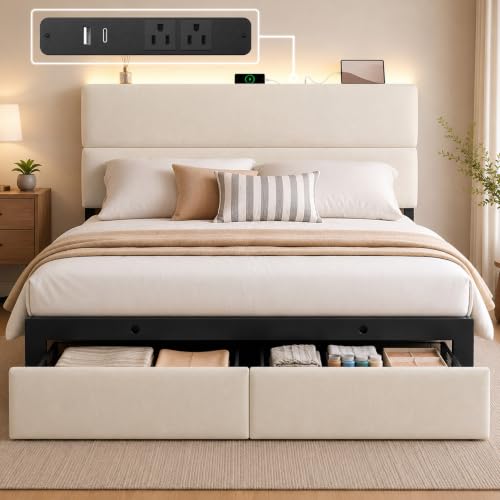
Fabric-covered panels with padding behind the surface. The cushioning makes reading and watching television more comfortable, and the fabric softens the room's acoustic feel. Look for tight-weave fabrics for easier maintenance.
Best for: side sleepers, readers, and bedrooms where a softer, more inviting look is the goal.
Storage and Functional Headboards
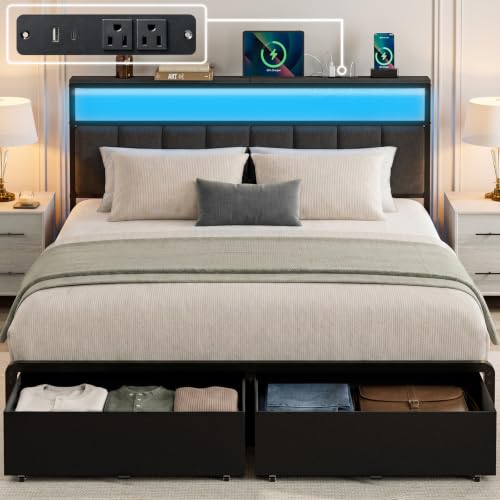
Designs that add shelves, cubbies, or hidden compartments. A bookcase headboard bed keeps books and small items within reach, while storage drawers below handle larger items. These models suit smaller rooms where every surface counts.
Best for: compact bedrooms, studio apartments, and readers who want everything within arm's reach.
Specialty and Adjustable-Compatible Beds
Frames engineered to work with adjustable bases, plus designs with integrated lighting. These require careful checking of mounting points and rail strength. If you plan to pair a headboard bed with an adjustable base, review which beds are compatible with an adjustable base before buying.
Best for: sleepers who need articulated support, integrated lighting, or a more customized setup.
Headboard Materials: Comfort, Care, and Durability
Material choice affects how the bed feels when you lean back, how often you need to clean it, and how well it holds up over time. Here is how the most common options compare.
- Solid wood and engineered wood: Durable and easy to maintain. A damp cloth is usually enough for routine cleaning. Wood panels pair naturally with bedroom furniture in matching finishes.
- Upholstered fabric: Softer against the back and quieter when you move. Tight-weave fabrics resist dust better than loose weaves. Removable covers simplify care when available.
- Faux leather and leather: Wipe-clean surfaces that resist spills and dust. They suit modern and industrial rooms and hold their shape well over years of use.
- Metal: Often used in slim frames and canopy designs. Metal headboards are heavy-duty and rust-resistant when finished properly, but they offer less padding for leaning.
Whatever material you choose, confirm that the mounting hardware is reinforced and that the headboard is securely attached. A headboard that shifts or wobbles undermines both comfort and safety.
Choosing the Right Size and Height
Headboard beds follow standard mattress sizes, so the main sizing decision is the mattress width, not the headboard itself. The more important measurement is headboard height. Measure from the floor to the top of your mattress, then add 24 to 36 inches. A headboard that rises a few inches above the mattress gives comfortable back support when sitting up; taller designs create a grander look but can feel heavy in small rooms.
Width matters too. A headboard should match the mattress width so the proportions look intentional. For king-size setups, check that the headboard is wide enough for the frame and any nightstands you plan to place nearby. Our overview of king beds covers how headboard width interacts with room layout. For tighter spaces, see our recommendations for beds for small rooms.
| Headboard Type | Market Tier | Best For | Care Level |
|---|---|---|---|
| Wooden panel | Entry-level to mid-range | Minimalist rooms, firm back support | Low; wipe with a damp cloth |
| Upholstered fabric | Mid-range to premium | Readers, side sleepers, softer look | Moderate; vacuum and spot clean |
| Bookcase or storage | Premium | Compact rooms, bedside organization | Low to moderate; dust shelves |
| Adjustable-compatible | High-end tier | Articulated support, specialty setups | Low; check mounting hardware |
Headboard Beds with Storage: When They Make Sense
Storage headboards add function without extra floor space. A bookcase headboard keeps reading materials and small items organized, while under-bed drawers handle bulkier items like bedding and out-of-season clothing. These designs are especially useful in studio apartments and guest rooms where space is limited.
Before choosing a storage model, think about what you actually need to store and how often you need to reach it. Shelves are convenient for daily items but collect dust; drawers keep clutter hidden but require clearance to open. Our guide to beds with storage compares the main configurations, and our look at beds with storage drawers and headboard covers combined designs in more detail.
Pairing a Headboard Bed with the Rest of the Room
A headboard sets the visual tone for the whole bedroom, so it should harmonize with surrounding furniture rather than compete with it. Match the headboard finish or fabric to your bedroom decor palette, and choose nightstands with a height that sits comfortably beside the mattress. If you want a coordinated look, consider a bed with matching bedside tables so proportions and finishes line up.
Lighting also matters. A headboard with a built-in shelf or panel can hide a reading light or small lamp, while a slim panel leaves room for wall sconces. If you plan to add a rug, leave enough clearance around the bed so the room does not feel crowded.
Headboard Beds and Adjustable Bases
If you use an adjustable base, the headboard bed must be compatible with the base's movement. Not every frame accommodates an articulated base, and mounting points vary between models. Check the frame specifications before buying, and confirm that the headboard attaches to the frame rather than the base itself. Our guides to beds that accommodate adjustable bases and beds for adjustable bed frames explain what to look for.
Quick Buyer's Checklist
- Measure the wall and floor space, then confirm the headboard height relative to your mattress.
- Choose a material that matches how you use the bed: firm for sitting up, padded for leaning back.
- Confirm the headboard attaches securely and the frame is rated for your mattress size.
- Decide whether storage shelves or drawers are worth the extra footprint.
- Verify compatibility if you plan to use an adjustable base.
- Check that the headboard width leaves comfortable clearance for nightstands and walkways.
Final Thoughts
Choosing a bed with a headboard comes down to matching three things: how you sleep, how you use the bed during the day, and how the room is laid out. A padded upholstered panel supports reading and relaxing; a wooden panel offers durable, easy-care structure; a storage headboard solves organization in tight spaces. Once those priorities are clear, the right model is easier to identify and more likely to serve you well for years.
If you are still comparing frame styles, our broader guide to bed frames covers platform, panel, and sleigh designs that pair naturally with headboards.
Frequently Asked Questions
What is the main benefit of a bed with a headboard?
A headboard provides structural support, protects the wall from scuffs, anchors the bed visually, and offers a comfortable backrest for reading or watching television. It also creates a defined focal point that makes bedroom styling easier.
How do I choose the right headboard height?
Measure from the floor to the top of your mattress, then add between 24 and 36 inches. A headboard that reaches at least a few inches above the mattress supports sitting up comfortably. Taller headboards feel grander, while lower profiles keep small rooms open and airy.
Are upholstered headboard beds suitable for all sleepers?
Upholstered headboards suit most sleepers because the padding offers a soft backrest and the fabric absorbs sound. They work especially well for side sleepers and readers. Those with allergies should choose tight-weave fabrics or smooth leather-like upholstery that is easy to wipe clean.
Can I add a headboard to an existing bed frame?
Many bed frames accept a universal or bolt-on headboard, but compatibility depends on the rail design and mounting points. Check the frame specifications or choose a freestanding headboard that rests against the wall. Before committing, confirm the frame supports adjustable bases if you plan to upgrade.
Do beds with headboards work in small rooms?
Yes. Low-profile or slim headboards keep sightlines open, while storage headboards add function without extra floor space. In tight rooms, pair a compact headboard with under-bed drawers to maximize organization without crowding the footprint.