Bedroom Furniture: The Complete Guide to Building a Restful Room
Everything you need to know about choosing beds, dressers, nightstands, benches, and storage pieces. Learn how to balance function, comfort, and style so every piece in your bedroom earns its place.
Why bedroom furniture matters: Your bedroom is the one room where every object should support rest. The right furniture mix — a supportive bed, sensible storage, and thoughtful bedside surfaces — reduces clutter and mental load. This guide walks you through each furniture category, how to evaluate quality, and how to combine pieces into a cohesive room.
1. Start With the Bed as the Anchor
Every bedroom layout begins with the bed. The frame you choose determines your storage options, the visual weight of the room, and even how easy it is to clean underneath. Before browsing, measure your room and confirm the mattress size you need. A queen or king typically suits couples, while full and twin sizes serve solo sleepers and smaller rooms well. If you are weighing frame styles, our guide to bed frames breaks down platform, panel, sleigh, and upholstered options in detail.
For rooms where space is tight, consider a frame with built-in storage. Models with storage underneath turn dead space into useful drawers for linens and off-season clothing. If you like a cleaner look, a bed with a headboard adds visual structure without extra floor footprint. And for multi-purpose rooms, a bed with an integrated desk can double as a workspace by day.
Platform Frames
Simple, low-profile, and stable. A platform frame supports the mattress directly, so no box spring is required. Best for modern, minimalist rooms and sleepers who want a clean silhouette.
Upholstered Beds
Fabric-wrapped frames soften a room and provide a comfortable backrest for reading. Look for reinforced corner joints and removable, washable covers if you want a long-term investment.
Storage Beds
Lift-up or drawer-based storage maximizes a small footprint. High-end models use gas-lift mechanisms and dovetail drawer construction for smooth, quiet operation over years of daily use.
2. Nightstands and Bedside Tables
Nightstands are the most-used furniture in a bedroom after the bed itself. They hold your lamp, phone, book, and water glass — so surface area and drawer depth matter more than you might think. A good rule of thumb is to keep the nightstand top roughly level with or slightly below the mattress top for easy reach at night.
If you prefer a matched set, look at options for a bed with matching bedside tables or a bed with built-in bedside tables to save floor space. For rooms with more room to spare, a dresser and bedside table pairing creates a coordinated look without a full matching suite.
When evaluating quality, check drawer glides first. Entry-level nightstands often use simple side-mounted runners, while mid-range and premium pieces use ball-bearing or soft-close undermount glides. Solid wood or high-grade engineered wood with a durable veneer will hold up far better than thin particleboard over time.
3. Dressers, Chests, and Clothing Storage
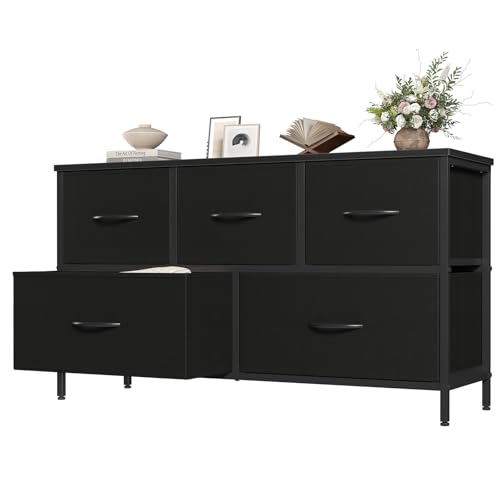
A dresser is the workhorse of bedroom storage. Before choosing one, count how many folded items and accessories you actually store — a four-drawer chest suits one person, while a six- to eight-drawer dresser works better for couples. Wider dressers with a low profile read as less visually heavy in smaller rooms, while tall chests suit narrow spaces.
Drawer construction is the clearest indicator of tier. Look for dovetail joints at the drawer corners, a sturdy drawer-bottom panel, and smooth full-extension glides. Mid-range dressers typically add soft-close hardware, and high-end pieces use solid hardwood fronts with reinforced corner blocks. If you want a coordinated bedroom, many collections pair a dresser with matching bedside pieces, as in a bedroom drawers and bedside tables set.
| Furniture Piece | Best For | What to Check |
|---|---|---|
| Wide dresser (6–8 drawers) | Couples, medium rooms | Dovetail joints, full-extension glides |
| Tall chest (4–5 drawers) | Small or narrow rooms | Stability, anti-tip hardware included |
| Nightstand with drawer | Everyday bedside items | Soft-close glide, surface height vs. mattress |
| Bedroom bench | End-of-bed seating and storage | Weight capacity, upholstery durability |
| Armoire / wardrobe | Rooms without closets | Hanging depth, door alignment, shelf adjustability |
4. Benches, Accents, and the Finishing Layer
Once the core storage pieces are in place, accent furniture makes the room feel intentional. A bench at the foot of the bed provides a spot to sit while putting on shoes and can double as hidden storage for blankets. Our guide to bedroom benches covers upholstered, wooden, and storage-benches so you can match the piece to your room's style.
Rugs are the other finishing layer that dramatically changes how a bedroom feels. A rug under the bed anchors the layout and adds acoustic softness. Explore bedroom rugs for sizing guidance — a general rule is to extend the rug at least 18 to 24 inches beyond each side of the bed. For a full styling approach, our bedroom decor section covers lighting, wall art, and color palettes that complement your furniture choices.
Matching Furniture Sets: Pros and Cons
- Pro: A matched set guarantees consistent finish, hardware, and proportions across pieces.
- Pro: Buying as a set is often simpler and reduces decision fatigue during a room refresh.
- Con: Full suites can look showroom-flat; mixing one or two accent pieces adds character.
- Con: Sets may lock you into a style that is harder to update piece by piece later.
- Tip: If you choose a set, break it up visually with a different-material bench, rug, or lamp.
5. How to Evaluate Bedroom Furniture Quality
Furniture tier is usually reflected in construction details rather than surface appearance. Use this checklist when comparing pieces in any category:
- Joinery: Dovetail or mortise-and-tenon joints signal durability; stapled butt joints are a sign of entry-level construction.
- Materials: Solid hardwood and high-grade engineered wood outperform thin particleboard; check for a consistent veneer and sealed edges.
- Hardware: Ball-bearing or soft-close glides and solid metal pulls last longer than plastic runners and glued handles.
- Finish: A factory-applied, multi-step finish resists moisture and scratches better than a single thin coat.
- Stability: Anti-tip hardware should be included with dressers and tall chests — this is a safety essential, not an add-on.
Entry-level pieces are a reasonable choice for guest rooms or temporary setups. Mid-range furniture is the sweet spot for most primary bedrooms, offering durable construction without flagship-tier detailing. Premium and luxury pieces make sense as a long-term investment when you plan to keep the same bedroom layout for many years.
6. Planning Your Bedroom Layout
Before ordering anything, sketch the room and mark door swings, windows, and heating vents. Leave at least 24 inches of walking clearance around the bed, and 30 inches or more in front of dresser drawers so they can open fully. In compact rooms, prioritize vertical storage — a tall chest and a bed with under-storage often beat a wide dresser that blocks circulation.
For very small spaces, consider multi-functional pieces such as a bed with storage for small rooms or a bed with drawers underneath. If you are furnishing a studio or guest room, our list of beds for small rooms covers compact frame types in more depth.
Ready to compare specific pieces? Browse our curated bedroom furniture selection below, filtered for solid construction and practical storage. Each product links directly to current availability.
View Recommended Furniture7. Frequently Asked Questions
What bedroom furniture should I buy first?
Start with the bed and mattress, since they anchor the layout and determine available floor space. Next, add a nightstand for each sleeper, then a dresser sized to your actual clothing volume. Benches and accent pieces come last and are optional.
Is it better to buy a matching bedroom set or mix pieces?
Matching sets are simpler and guarantee a consistent finish. Mixing pieces gives a more personal look and lets you upgrade one item at a time. A practical middle ground is to match the bed, nightstands, and dresser while choosing a different-material bench or rug to break up the set.
How do I choose the right dresser size?
Measure the wall space and the walking clearance in front of the dresser. A wide six- to eight-drawer dresser suits couples, while a tall four- to five-drawer chest fits narrow rooms. Always confirm the drawer glides are full-extension so you can reach the back of each drawer.
Do I need a box spring with a platform bed?
No. Platform beds support the mattress directly with slats or a solid base, so a box spring is not required. If you use an innerspring mattress, check that the slat spacing is narrow enough to prevent sagging — typically no more than 2 to 3 inches apart.
What is the best storage solution for a small bedroom?
Prioritize vertical and under-bed storage. A tall chest uses less floor area than a wide dresser, and a lift-up or drawer-based bed frame converts unused space beneath the mattress into storage. Keep at least 24 inches of clearance around the bed for comfortable movement.