Bedside Tables for Small Rooms
Maximize every inch of your compact bedroom with clever, space-saving nightstand solutions that keep essentials within reach without crowding your resting space.
EXPLORE THE GUIDEWhy small-room bedside tables deserve careful thought: In a compact bedroom, every piece of furniture must earn its place. A well-chosen nightstand keeps your phone, lamp, glasses, and evening reading within arm's reach while preserving precious floor space and visual calm. This guide walks you through the features, formats, and practical considerations that make a bedside table work beautifully in a small room.
Why a Proper Bedside Table Still Matters in a Small Room
When space is tight, it is tempting to skip the nightstand altogether and rely on the floor or a windowsill. But a dedicated bedside surface does more than hold objects. It anchors the bed visually, creates a natural transition zone between sleep and wakefulness, and keeps clutter from accumulating on the mattress itself. In small rooms, the goal is not to eliminate the nightstand but to choose one that works with the room rather than against it.
The right compact bedside table can double as a charging hub, a reading station, and a discreet storage spot for small personal items. The key is matching the unit's footprint, height, and storage style to the way you actually use your bedroom. If you are still refining the broader layout, our bedside tables for small bedrooms guide pairs well with this deep dive into room-specific solutions.
Key Measurements Before You Choose
Getting the dimensions right is the single most important step in selecting a bedside table for a small room. A unit that is too tall or too deep will feel oppressive; one that is too small will look lost. Use the following benchmarks as a practical starting point:
- Height: The tabletop should sit level with or slightly below the mattress surface—usually within 1–2 inches. This keeps a lamp at a comfortable reading height and prevents items from feeling out of reach.
- Width: In tight rooms, a width of 12–18 inches per side is often the sweet spot. It provides enough surface for a lamp, a phone, and a glass of water without blocking traffic flow.
- Depth: Keep depth to 12–16 inches. Deeper units eat into walkways and make the bed feel crowded.
- Clearance: Leave at least 2–3 inches between the nightstand and the bed, and ensure the table does not obstruct closet doors, drawers, or radiator panels.
Bedside Table Formats That Save Space
Small rooms call for creative formats. The traditional two-drawer nightstand is not your only option—and in many compact bedrooms, it is not the best one. Consider these space-conscious formats:
1. Narrow and Slim Nightstands
A slim-profile nightstand, often just 12–16 inches wide, slips into tight gaps between the bed and a wall. Many slim models still offer a drawer or open shelf, so you do not sacrifice storage. Look for tapered legs or recessed bases that keep the visual weight low. The bedside table with drawers category offers several compact options worth exploring.
2. Floating and Wall-Mounted Tables
Wall-mounted or floating nightstands attach directly to the wall and leave the floor completely clear. This makes the room feel larger and makes cleaning easier. Many floating designs include a small drawer or a hidden compartment. If you like the idea of a clean, open floor beneath your bedside essentials, a bedside table without drawers with a wall-mounted design can be an elegant solution.
3. C-Shaped and Overbed Tables
C-shaped tables slide partially over the bed, letting you pull the surface close when you need it and tuck it away when you do not. They are especially useful in rooms where the bed is pushed into a corner and one side has no floor space. An adjustable-height bedside table adds flexibility for reading, working, or eating in bed.
4. Multi-Function Storage Units
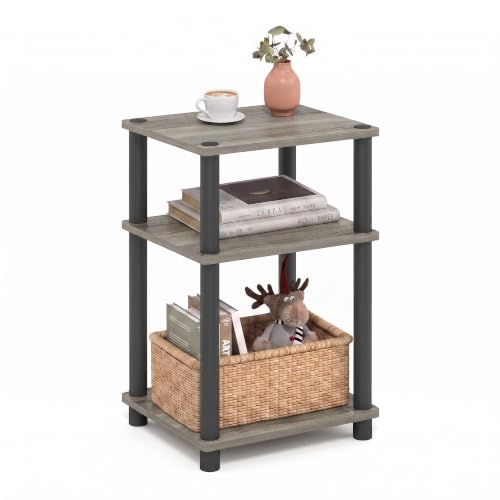
Some compact bedside tables combine a nightstand with shelving or a small dresser. A bedside table dresser can replace a separate piece of furniture, reducing clutter and freeing up floor space. Similarly, a bedside table with shelves above uses vertical space that would otherwise go unused.
5. Corner and Wedge Designs
If your bed sits at an angle or in a corner, a wedge-shaped or corner nightstand can fit into spaces that rectangular units cannot. These designs make use of awkward angles and keep the room feeling intentional rather than cramped.
Storage Features That Earn Their Space
In a small room, storage is precious—but not all storage is equally useful. A deep drawer that is hard to reach is less helpful than a shallow drawer that opens smoothly. When evaluating bedside tables for small rooms, prioritize these features:
- Soft-close drawers: Quiet, smooth operation matters in a bedroom, especially if you rise before your partner.
- Open shelves: A single open shelf or cubby keeps books and a water glass accessible without the bulk of a full drawer stack.
- Hidden storage: A bedside table with hidden storage can conceal chargers, cables, and small personal items, keeping the surface clear.
- Pull-out surfaces: A bedside table with pull-out shelf gives you extra surface area when you need it and tucks away when you do not.
- Charging integration: Built-in outlets or USB ports reduce cable clutter and eliminate the need for a separate charging station on the floor.
Materials and Build Quality for Compact Pieces
Small furniture can be surprisingly vulnerable to wear because it is used frequently and often bumped in tight quarters. Look for durable construction and finishes that hold up over time. Solid wood, high-grade engineered wood with quality veneers, and powder-coated metal frames are all solid choices for a long-term investment. A bedside table with locking drawer adds a layer of security for personal items without requiring a separate safe.
If you prefer a softer look, upholstered or wrapped finishes can work well in a compact room, but check that the fabric is tightly tailored and easy to wipe clean. Rust-proof finishes and reinforced joinery matter more in small rooms than many shoppers expect, because these pieces are frequently moved, adjusted, and squeezed into tight spots.
Style Choices That Keep Small Rooms Feeling Open
Visual weight is just as important as physical footprint. A bulky, dark nightstand can make a small room feel even smaller, while a light, airy design can create a sense of openness. Consider these style strategies:
- Legs over solid bases: Furniture with visible legs lets light and sightlines pass underneath, making the floor feel larger.
- Light or mirrored finishes: Pale woods, white lacquer, and mirrored surfaces reflect light and reduce visual heaviness.
- Glass or acrylic tops: Transparent surfaces keep the bedside area feeling uncluttered.
- Consistent scale: Match the nightstand's visual weight to the bed frame. A delicate metal frame pairs well with a slim nightstand; a heavier upholstered bed may need a slightly more substantial companion piece.
For a coordinated look, consider a bedside tables set of 2 so both sides of the bed share the same proportions and finish. Symmetry is a reliable way to make a compact bedroom feel calm and intentional.
Comparing Bedside Table Formats at a Glance
The table below summarizes how different bedside table formats perform in small rooms. Use the tier descriptions to match the unit to your needs and expectations—entry-level pieces focus on essential function, mid-range options add refinement, and premium designs offer the most polished experience.
| Format | Best For | Space Efficiency | Storage | Tier Guidance |
|---|---|---|---|---|
| Slim nightstand | Narrow gaps beside the bed | High | 1–2 small drawers | Essential tier to Mid-tier |
| Floating / wall-mounted | Rooms where floor space is at a premium | Very high | Small drawer or open shelf | Mid-tier to Premium |
| C-shaped / overbed | Beds pushed into corners | High (flexible) | Minimal—surface-focused | Essential tier to Mid-tier |
| Bedside table dresser | Replacing a separate dresser | Moderate | Multiple drawers | Mid-tier to Premium |
| Corner / wedge | Angled or corner bed placements | High for awkward spaces | Varies—often 1 drawer + shelf | Essential tier to Mid-tier |
Charging and Cable Management in Tight Spaces
Modern bedside tables increasingly double as charging hubs, and in a small room this integration is a genuine advantage. A bedside table with charging station keeps phones, tablets, and smartwatches organized without a tangle of cables on the floor. If you prefer a more discreet setup, a bedside table with outlet and USB provides power access while keeping the surface clear.
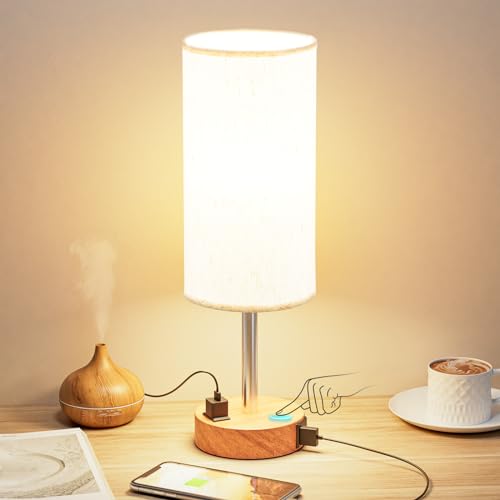
Cable management deserves special attention in small rooms, where clutter is immediately visible. Look for tables with rear cable cutouts, built-in routing channels, or hidden compartments. A bedside wireless charging station can further reduce visible cords. Pair your charging setup with a compact bedside table lamp with USB port to consolidate power and lighting in one footprint.
Placement and Layout Tips for Compact Bedrooms
Where you place your bedside table matters as much as which one you choose. In a small room, a few inches can make the difference between a comfortable layout and a cramped one. Consider these placement strategies:
- Prioritize one side: If the bed is against a wall on one side, invest in a well-designed nightstand on the open side rather than forcing two undersized tables into the room.
- Use the corners: A corner nightstand or a small bedside table with swivel top can rotate toward the bed when needed and out of the way when not.
- Keep walkways clear: Maintain at least 24 inches of clear walking space between the bed and the nearest wall or furniture. If a nightstand would block that path, choose a wall-mounted or floating design.
- Align with the mattress: The tabletop should be level with the mattress so you can reach essentials without stretching or leaning awkwardly.
- Think vertically: If floor space is truly limited, a wall-mounted bedside reading light combined with a narrow floating shelf can replace a traditional nightstand entirely.
Matching the Format to Your Routine
Your bedtime routine should guide your choice. If you read on a tablet or phone before sleep, prioritize charging integration and a surface large enough for a device. If you keep a book, glasses, and a water glass nearby, an open shelf or a single drawer may be more useful than a stack of small compartments. If you need to store medications or personal items securely, a bedside table with locking drawer is a practical choice.
For those who adjust their sleeping position frequently or use an adjustable bed, a bedside table for adjustable bed is designed to stay accessible as the bed moves. And if you are furnishing a guest room or a child's room, a bedside table with lots of storage can absorb extra items that would otherwise clutter the room.
Frequently Asked Questions
How wide should a bedside table be in a small room?
In most compact bedrooms, a width of 12–18 inches per side works well. This provides enough surface for a lamp, phone, and a small personal item without blocking walkways. Measure the gap between your bed and the nearest wall or furniture before shopping, and choose a unit that leaves at least 2–3 inches of clearance on each side.
Is a floating nightstand a good choice for small rooms?
Yes. A wall-mounted or floating nightstand clears the floor entirely, which makes the room feel larger and simplifies cleaning. Many floating designs include a small drawer or shelf for essentials. They are especially effective when the bed is pushed into a corner and floor space beside the bed is minimal.
What is the ideal height for a bedside table?
The tabletop should sit level with or slightly below the mattress surface—typically within 1–2 inches. This height keeps a lamp at a comfortable reading position and allows you to reach items without stretching. If you use an adjustable bed, look for a bedside table designed to accommodate changing bed heights.
Do I need two bedside tables in a small bedroom?
Not necessarily. In a tight room, a single well-chosen nightstand on the open side of the bed is often more practical than two undersized tables. If symmetry matters to you, a compact set of two slim nightstands can work, but prioritize comfortable walkways and uncluttered surfaces over matching furniture.
How can I reduce cable clutter beside the bed?
Choose a bedside table with built-in outlets, USB ports, or a wireless charging surface. Rear cable cutouts and hidden compartments help route cords out of sight. Combining charging and lighting—for example, with a lamp that includes a USB port—can further reduce the number of separate devices on the tabletop.
What materials hold up best in a compact bedroom?
Solid wood, high-grade engineered wood with quality veneers, and powder-coated metal frames are durable choices for frequently used bedside tables. In small rooms, pieces are often bumped and moved, so reinforced joinery and rust-proof finishes are worthwhile considerations. Upholstered finishes can work well if the fabric is tightly tailored and easy to clean.