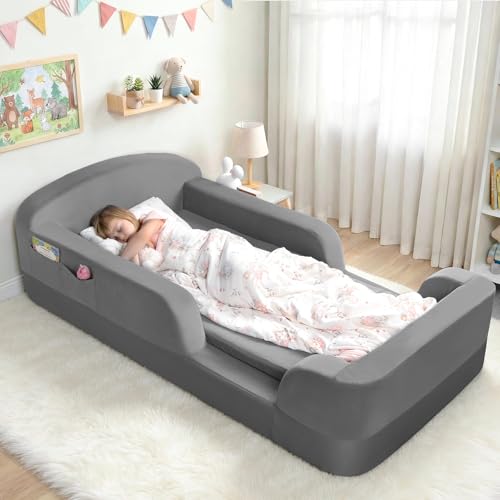
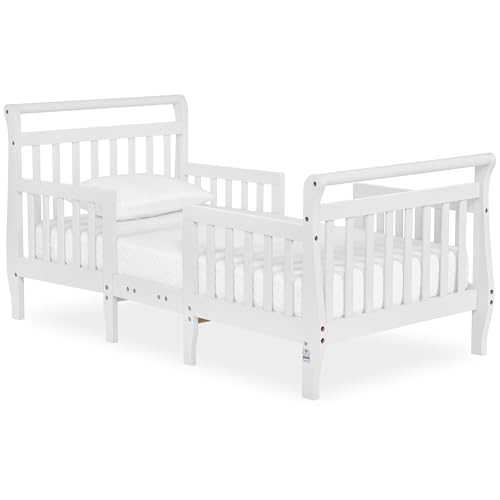
Beds for 2 Year Olds: The Complete Safety & Comfort Guide
Everything parents need to know before choosing a toddler bed — safe transitions, ideal bed types, firm mattresses, and childproof room setup for peaceful nights.
Explore Bed OptionsWhy the Right Bed Matters at Age Two
By the time your child reaches two years old, their sleep needs are still significant — most toddlers require around 11 to 14 hours of sleep per day, including naps. The bed they sleep in directly affects their safety, spinal development, and the quality of rest for the entire household. Choosing a bed for a 2 year old is not simply about size; it is about matching the bed's design, height, and mattress firmness to a toddler's motor skills and body proportions.
Many parents begin researching toddler beds when their child starts climbing out of the crib, which is a clear signal that the crib no longer contains them safely. Other families transition proactively before that milestone to avoid falls. Whichever situation applies to you, this guide walks through the key decisions: bed type, mattress selection, safety features, bedroom childproofing, and the transition process itself.
Quick summary: Most two-year-olds do best in a low toddler bed with guardrails and a firm, snug-fitting crib-size mattress. A twin bed with a removable guardrail is a solid long-term alternative if you prefer to skip an intermediate bed size.
Signs Your 2 Year Old Is Ready for a Big Kid Bed
Not every two-year-old is developmentally ready for an open bed. Use the following signals as a practical checklist. If several apply, it is likely time to make the switch.
- Climbing out of the crib, or attempting to climb out repeatedly
- Standing and leaning over the crib rail
- Height approaching the recommended crib limit (often around 35 inches)
- Showing interest in sleeping in a "big kid" bed
- Toilet training progress that requires easier nighttime access
- Restlessness or discomfort in the crib that disrupts sleep
If your child shows none of these signs and still sleeps peacefully in the crib, there is no rush. Safety and readiness should guide the timing, not a fixed calendar date. For families comparing the next stage after toddlerhood, our guide to beds for 3 year olds covers the following developmental step in detail.
Best Bed Types for a 2 Year Old
There is no single "best" bed — the right choice depends on room size, budget positioning, and how long you want the bed to last. The table below compares the most common options across practical categories.
| Bed Type | Tier | Best For | Key Considerations |
|---|---|---|---|
| Toddler Bed (crib mattress) | Essential tier | First transition from crib | Low height, guardrails, uses existing crib mattress |
| Twin Bed with Guardrail | Balanced tier | Long-term use into school age | More floor space needed; guardrail is removable |
| Montessori Floor Bed | Mid-tier | Independent, floor-level sleepers | Requires fully childproofed room; no rails |
| Convertible Crib (toddler mode) | Premium | Families already owning a convertible crib | Reuses existing crib; conversion kit often required |
| Canopy or Themed Toddler Bed | High-end tier | Playful bedroom themes | Check stability and non-toxic finishes carefully |
Toddler Beds
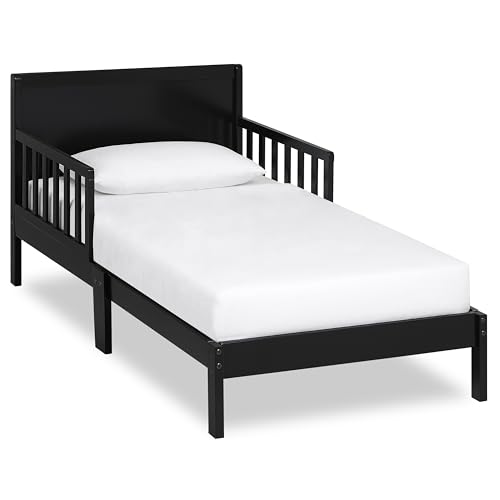
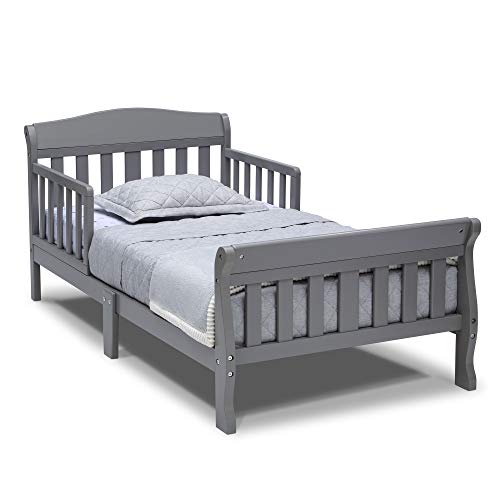
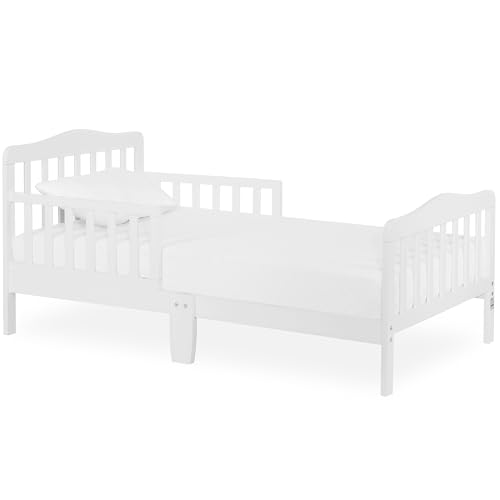
A toddler bed is essentially a scaled-down frame that holds a standard crib mattress. It sits very low to the floor, includes side rails or raised edges, and is designed specifically for the 18-month to 3-year window. Because it reuses the crib mattress, it is often the most efficient transition option. Look for solid wood or high-grade steel construction and rounded edges.
Twin Beds with Guardrails
A twin bed gives a two-year-old room to grow and can last well into the school years. The trade-off is that a twin mattress is larger and the bed sits higher, so a sturdy removable guardrail is essential at this age. If you choose this route, confirm that the guardrail is firmly attached and that the mattress fits the frame without gaps.
Montessori Floor Beds
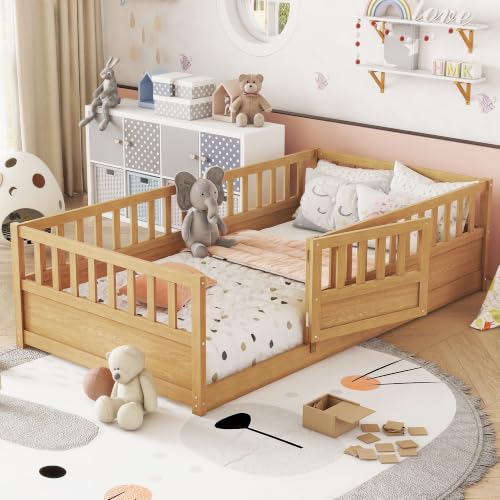
Floor beds sit directly on the ground and support independent movement, which aligns with Montessori philosophy. They are a good fit for a fully childproofed room with soft flooring. Because there are no rails, the entire room must be safe for a curious toddler who may wake and move around at night.
Convertible Cribs in Toddler Mode
If you already own a convertible crib, the toddler conversion kit is often the simplest and most stable option. It preserves the familiar sleep environment while removing the high crib rails. Check that the conversion kit is available for your specific crib model and that all hardware is securely fastened.
Families exploring broader furniture options for a child's room may also find our bedroom furniture overview helpful when coordinating the bed with storage and seating.
Choosing the Right Mattress for a 2 Year Old
The mattress is just as important as the frame. Toddlers need a firm sleep surface that supports their growing spine and resists sagging. A mattress that is too soft can create a suffocation risk for young children and may also cause the child to roll toward the edge of the bed.
Firmness and Fit
Choose a firm mattress that fits the bed frame snugly, with no more than a small gap around the edges. For a toddler bed, use a standard crib mattress — these are manufactured to strict firmness and fit standards. For a twin bed, select a firm twin mattress rather than a plush model.
Materials
Breathable, hypoallergenic materials are a practical choice for toddlers, many of whom have sensitive skin or allergies. A waterproof mattress protector is strongly recommended during the toilet-training years. Avoid heavily scented or chemically treated foams, and look for certifications that indicate low emissions.
Mattress Lifespan
Entry-level crib mattresses are typically replaced after a few years, while premium models with high-density foam or innerspring cores can last longer. When the time comes to upgrade for an older child, our mattress and bedding resources at bedding and linens cover sizes and protection options.
Essential Safety Features to Look For
When evaluating any bed for a two-year-old, run through this safety checklist before making a decision.
- Low height: The sleeping surface should be close to the floor so a fall is unlikely to cause injury.
- Guardrails: Secure, firmly attached rails on at least one side, ideally both, with no gaps that could trap a limb.
- Rounded edges: No sharp corners or exposed hardware at toddler height.
- Non-toxic finish: Water-based, low-VOC paints and finishes are preferable.
- Stable base: The frame should not tip or wobble when a child leans on a rail or climbs in.
- Snug mattress fit: No gaps larger than a finger width between mattress and frame.
- Weight and tipping resistance: Heavier solid frames are generally more stable than lightweight hollow frames.
If the bed is a hand-me-down, inspect all joints, screws, and rails for wear before use. Replacement hardware is often available from the manufacturer.
Childproofing the Bedroom for a Toddler Bed
Once a child moves from a crib to an open bed, they can leave the bed independently. The bedroom therefore becomes part of the sleep environment and must be childproofed as thoroughly as the rest of the home.
- Anchor all furniture — dressers, shelves, and the bed frame itself — to the wall.
- Cover electrical outlets and secure cords out of reach.
- Install window guards or locks and keep blind cords tied up high.
- Remove climbable objects near the bed, such as stacked toy bins.
- Place a soft rug or play mat beside the bed to cushion any falls.
- Use a plug-in nightlight rather than candles or open flames.
- Keep small toys, coins, and batteries out of the room.
- Install a baby gate at the bedroom door if the hallway is not yet safe.
For rooms where space is limited, our guide to beds for small rooms offers layout ideas that keep the sleep area safe and uncluttered.
How to Make the Transition Smooth
The switch from crib to bed is a big change. A few practical steps can reduce resistance and help your two-year-old feel secure in the new setup.
- Introduce the bed gradually. Let your child play in the room and sit on the bed during the day before the first night.
- Keep the routine consistent. Maintain the same bedtime ritual — bath, story, lights out — in the new bed.
- Use familiar bedding. Bring the crib's familiar blanket or lovey into the new bed if it is safe to do so.
- Place the bed in a similar position. Keep the bed where the crib was if possible, to preserve spatial familiarity.
- Expect a few night wakings. Calmly return your child to bed without turning it into a game.
- Add a nightlight. A soft glow can reduce fear of the dark in an open bed.
If your child shares a room or you are planning ahead for siblings, our resources on beds with trundle explain how a second sleep surface can be added without crowding the room.
How to Compare Beds for 2 Year Olds
When you are ready to compare specific models, use a consistent framework so you are evaluating like with like. The tiers below describe relative market positioning and construction quality, without reference to any currency.
| Tier | Typical Construction | Best For |
|---|---|---|
| Entry-level | Lightweight frame, basic rails | Short-term use during the toddler stage |
| Mid-range | Solid wood or reinforced metal, better hardware | Families wanting durability through preschool |
| Premium | Hardwood construction, refined finishes, strong rails | Long-term use and room design continuity |
| High-end tier | Designer frames, themed styles, premium materials | Coordinated bedroom themes and heirloom intent |
A mid-range toddler bed usually offers smoother rail mechanisms and more stable hardware than an entry-level model, while premium frames tend to hold up better to years of use. For most families, the mid-range or premium tier represents a solid long-term investment.
Room and Lifestyle Considerations
Beyond the bed itself, think about how the bed fits into daily life. A toddler who naps in the same room where they play needs a sleep space that is clearly separated from toys. Storage under the bed can help, though low toddler beds often have limited clearance.
If you are furnishing a shared or small bedroom, coordinating the bed with compact storage makes a meaningful difference. Our guides to beds with storage and bedroom decor offer practical ways to keep the room calm and functional without adding clutter near the sleep area.
Finally, consider how long you intend to keep the bed. A toddler bed is typically outgrown around age four to five, while a twin bed can serve a child through elementary school. Families planning ahead may prefer to move directly to a twin with a guardrail rather than buying twice.
Frequently Asked Questions
When should a 2 year old transition from a crib to a toddler bed?
Most children transition between 18 months and 3 years. The clearest signals are climbing out of the crib, reaching the crib height limit, or showing strong interest in a big kid bed. If none of these apply, there is no need to rush.
What size bed is best for a 2 year old?
A toddler bed that uses a standard crib mattress is the most common and safest first choice. A twin bed with a removable guardrail is a good long-term alternative if you prefer to skip the toddler-bed stage.
What safety features should a toddler bed have?
Look for a low sleeping height, secure guardrails with no limb-trapping gaps, rounded edges, non-toxic finishes, a stable non-tipping base, and a mattress that fits snugly with no gaps around the edges.
How do I childproof the bedroom for a toddler bed?
Anchor all furniture to the wall, cover outlets, secure window blind cords, remove climbable objects near the bed, place a soft rug beside the bed, and keep small objects and batteries out of reach. A baby gate at the door adds an extra layer of safety.
Can a 2 year old sleep in a twin bed?
Yes, provided the bed has a firmly attached guardrail and the mattress is firm and fits the frame. Many families choose a twin bed at this age to avoid buying a second bed later, but the room must be fully childproofed.
What mattress firmness is right for a toddler?
Firm is best. A firm mattress supports the spine and resists sagging, and it reduces the risk of a child rolling toward the edge. Crib mattresses are already manufactured to appropriate firmness standards.
Final Thoughts
Choosing a bed for a two-year-old comes down to three priorities: safety, fit, and a smooth transition. A low toddler bed with secure rails and a firm, snug mattress is the most reliable starting point for most families, while a twin bed with a guardrail is a sensible long-term alternative. Whatever you choose, childproof the surrounding room thoroughly and keep the bedtime routine consistent during the switch.
With the right bed and a safe room, your toddler gains independence and you gain peace of mind — which is exactly what a good night's sleep should deliver for the whole family.