Beds for 3 Year Olds: Safe & Comfortable Options
Everything parents need to know about choosing the right bed for a growing toddler — from safety features to mattress selection and room setup.
Why the right bed matters at age three: At three years old, children are transitioning from cribs to bigger beds, developing independence, and forming lifelong sleep habits. The bed you choose affects their safety, comfort, and sleep quality. This guide walks you through bed types, safety standards, mattress choices, and practical room considerations so you can make a confident decision for your child.
When Should a 3 Year Old Move to a Big Bed?
Most children transition from a crib to a toddler bed or twin bed between 18 months and 3.5 years of age. By age three, many children are developmentally ready for the change. Watch for these signs that your child may be ready:
Climbing Out of the Crib
If your child can climb out of the crib, it is no longer safe. A low toddler bed or floor-level twin bed removes the fall risk and gives them safe access in and out.
Exceeding Crib Limits
Most cribs have a weight or height limit. Once your child approaches that threshold, it is time to transition to a bed designed for growing toddlers.
Showing Interest
If your child talks about a "big kid bed" or shows curiosity about sleeping in a larger bed, that is a strong sign they are emotionally ready for the change.
Potty Training Progress
Children who are potty training often need easier access to the bathroom at night. A low bed they can get in and out of independently supports this milestone.
Parenting tip: Transition during a calm period, not during other big changes like moving houses or starting a new daycare. Keep the crib in the room for a few weeks if possible so your child can adjust gradually.
Best Bed Types for 3 Year Olds
Several bed styles work well for three-year-olds. The right choice depends on your child's personality, room size, and your long-term plans. Here is a comparison of the most common options:
| Bed Type | Best For | Key Features |
|---|---|---|
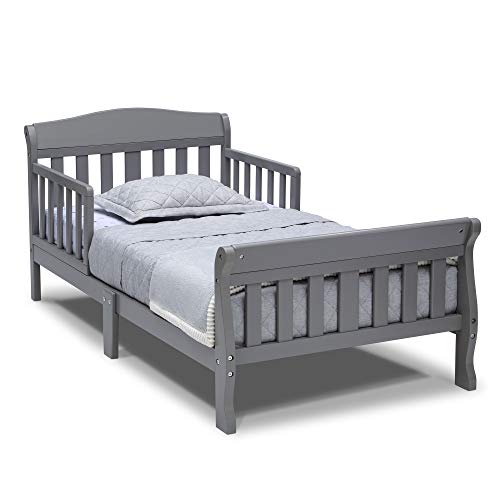
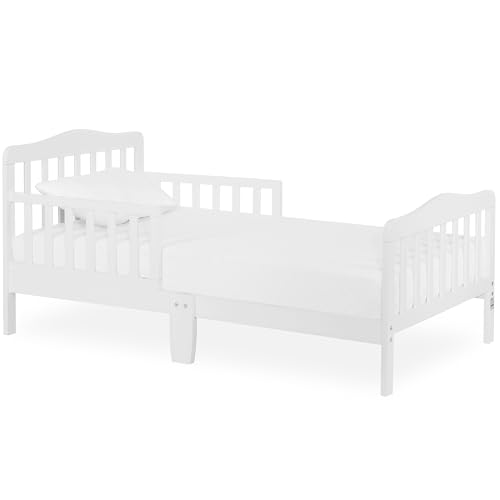
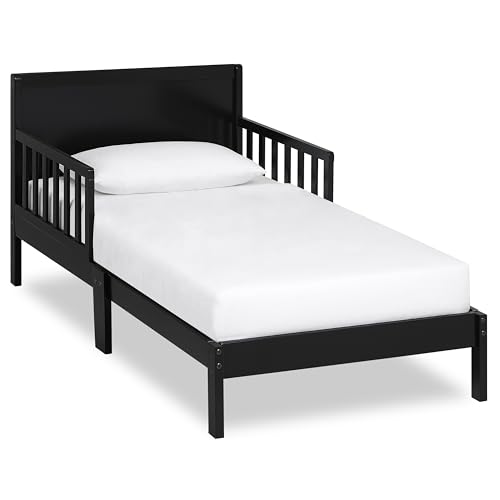
| Toddler Bed | First transition from crib | Low height, guardrails, uses crib mattress, familiar size |
| Twin Bed | Long-term use, growing children | Standard size, room to grow, wide mattress selection |
| Floor Bed | Montessori-style rooms, independent sleepers | Mattress directly on floor or low platform, maximum safety |
| House Bed | Playful rooms, imaginative children | House-shaped frame, low profile, often floor-level |
| Convertible Crib Bed | Families who already own a convertible crib | Converts from crib to toddler bed to daybed, cost-efficient |
For families who want a bed that grows with their child, a toddler-friendly bed for younger children can be a good starting point, while older siblings may benefit from exploring options for teenagers when the time comes. If you are setting up a shared room, consider beds with a trundle for sleepovers or a bed that has another bed underneath for flexible sleeping arrangements.
Essential Safety Features to Look For
Safety is the top priority when choosing a bed for a three-year-old. Young children move frequently during sleep and may not recognize hazards. Look for these features:
Low Bed Height
The sleeping surface should sit close to the floor — ideally under 18 inches. This reduces fall risk and makes it easy for your child to climb in and out safely.
Secure Guardrails
Guardrails on both sides prevent rolling out during sleep. Ensure rails are firmly attached with no gaps that could trap a limb or head.
Rounded Edges
Avoid sharp corners or hard metal edges. Rounded, sanded wood or padded upholstery is safer for active toddlers who may bump into the frame.
Non-Toxic Finishes
Choose beds with water-based, low-VOC finishes and certifications for low chemical emissions. Toddlers frequently put hands and mouths on furniture.
Sturdy Construction
The frame should be solid and stable, with no wobble. Check weight capacity and look for reinforced joints. A bed that shifts during sleep is a safety hazard.
No Entrapment Gaps
Ensure the mattress fits snugly with no gaps between the mattress and frame. Gaps larger than two fingers wide can pose an entrapment risk.
Safety reminder: Always anchor the bed frame to the wall if it is tall or lightweight. Use anti-tip straps and keep the bed away from windows, blinds cords, and heavy wall decor.
Choosing the Right Mattress for a 3 Year Old
The mattress is just as important as the bed frame. At age three, children need firm support for healthy spinal development, plus breathable materials and easy-to-clean surfaces. Here is what to prioritize:
- Firmness: A medium-firm to firm mattress supports growing bodies and prevents sagging. Avoid very soft mattresses that can compromise posture.
- Fit: The mattress must match the bed frame exactly. For toddler beds, use a standard crib mattress (27 x 52 inches). For twin beds, use a standard twin mattress (38 x 75 inches).
- Breathability: Look for breathable foam or innerspring designs with airflow channels. This helps regulate temperature and reduces overheating risk.
- Waterproof Protection: Accidents happen. A waterproof mattress protector extends mattress life and keeps the sleep surface hygienic.
- Certifications: Choose mattresses with GREENGUARD Gold, CertiPUR-US, or similar certifications for low chemical emissions and safer indoor air quality.
If you are also refreshing the bedding, explore our guides on bedding and linens and bed skirts for twin beds to complete the setup.
Setting Up the Bedroom for a 3 Year Old
A well-designed bedroom supports safe sleep and independent play. Consider these practical elements when arranging the room around the new bed:
Bed Placement
Place the bed against a wall or in a corner to reduce fall risk on one side. Keep it away from windows, radiators, and tall furniture that could tip.
Nighttime Lighting
A soft nightlight helps children feel secure and navigate to the bathroom. Choose warm, low-intensity lighting that does not disrupt melatonin production.
Storage at Child Height
Low shelves or bedside cabinets let children reach books and toys independently. Avoid tall dressers that require anchoring.
Safe Floor Space
Leave open floor space for play and movement. Add a soft bedroom rug to cushion falls and make the room feel cozy.
For smaller rooms, a bed with storage or a bed designed for small rooms can maximize space without sacrificing comfort. If the room doubles as a play area, consider a bed with a desk for future homework sessions.
Frequently Asked Questions
When should a 3 year old transition from a crib to a bed?
Most children transition between 18 months and 3.5 years old. Signs include climbing out of the crib, exceeding the crib weight limit, or expressing readiness. At age 3, many children are developmentally ready for a toddler bed or low-profile twin bed.
What size bed is best for a 3 year old?
A toddler bed (typically 27 x 52 inches) or a twin bed (38 x 75 inches) are the most common choices. Toddler beds offer familiarity and safety with low height, while twin beds provide room to grow for several years.
What safety features should a bed for a 3 year old have?
Look for low bed height, secure guardrails, rounded edges, sturdy construction, non-toxic finishes, and no entrapment gaps. The bed should sit close to the floor and be easy for a child to climb in and out of safely.
What mattress is recommended for a 3 year old?
A firm, supportive mattress that fits the bed frame snugly is ideal. For toddlers, a medium-firm crib or toddler mattress with breathable materials and waterproof protection works well. Ensure no gaps between mattress and frame.
How do I help my child adjust to a new bed?
Introduce the bed gradually, let your child pick out bedding, and keep a consistent bedtime routine. Some parents start with naps in the new bed before overnight sleep. Praise your child for staying in bed and be patient — adjustment can take a few weeks.