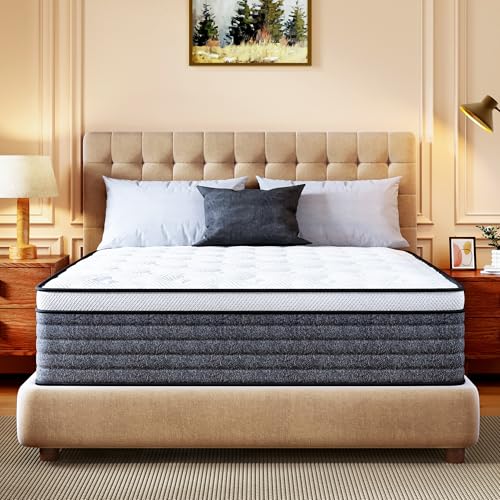
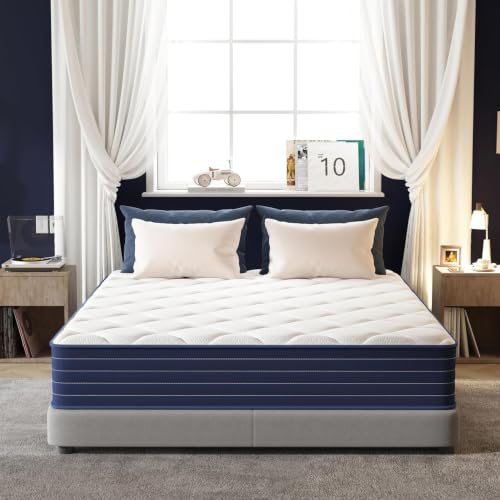
Bunk Beds for 12 Inch Mattress: The Complete Fit & Safety Guide
Upgrading to a thicker, more supportive mattress? A 12 inch mattress can transform your comfort — but not every bunk bed is built to handle it. Learn exactly what to check before you commit.
See Recommended ModelsWhy this guide matters: A 12 inch mattress sits higher than the standard 6–8 inch bunk mattress. If the guardrail isn't tall enough, the mattress can rise above the safety rail — creating a real fall risk. This guide walks you through rail clearance, weight ratings, frame materials, and mattress compatibility so you can shop with confidence.
Why Choose a 12 Inch Mattress for a Bunk Bed?
A 12 inch mattress is a popular middle ground: thicker than a basic entry-level foam mattress, yet not as bulky as a 14–16 inch luxury model. For bunk beds, that extra thickness translates into better pressure relief, more support layers, and improved durability compared to thinner mattresses.
However, the added height changes the geometry of the bunk. The top bunk becomes taller, the guardrail clearance shrinks, and the ladder may need repositioning. That's why you need a bunk bed frame that is explicitly designed or rated for a 12 inch mattress — not just any standard bunk.
- Greater comfort and support for growing kids and adults alike
- More room for hybrid and memory foam layers
- Better long-term durability than thinner entry-level mattresses
- Compatible with many bunk beds for thick mattresses when the frame is rated for it
5 Critical Criteria Before You Buy
These are the non-negotiables when matching a 12 inch mattress to a bunk bed. Ignoring any one of them can compromise safety or cause the mattress to sit awkwardly.
Guardrail Height
The top bunk guardrail must extend at least 5 inches above the mattress surface. For a 12 inch mattress, that means the rail should rise roughly 17 inches above the mattress support platform. Check the manufacturer's maximum mattress thickness rating.
Weight Capacity
A 12 inch mattress is heavier than a thin foam mattress. Look for a per-bunk weight capacity of at least 250 lbs for children and 400 lbs or more for adult use. Heavy-duty steel and solid wood frames handle the load best.
Frame Material & Build
High-grade steel, reinforced corner joints, and solid wood slats are the safest combination. Entry-level frames with thin metal tubing may flex under a heavier mattress and sleeper. Prioritize durable construction over decorative styling.
Slat Spacing
Slats should be spaced no more than 3–4 inches apart to properly support a 12 inch mattress and prevent sagging. Wider spacing can void the mattress warranty and reduce comfort over time.
Ladder & Access
A taller mattress raises the top bunk climb height. Confirm the ladder is securely attached, wide enough for comfortable footing, and positioned so the top of the mattress doesn't interfere with the rungs.
Bunk Bed Tiers Compared for 12 Inch Mattress Compatibility
Use this comparison to understand how different market tiers perform when paired with a thick mattress. Descriptors reflect relative market positioning, not specific figures.
| Tier | Best For | Rail Clearance | Weight Rating | Build Quality |
|---|---|---|---|---|
| Entry-level | Light use, younger children | Often limited; verify max mattress thickness | Standard | Basic metal tubing |
| Mid-range | Daily use, teens and adults | Usually 5+ inches above a 12 inch mattress | Reinforced | Heavy-duty steel or solid wood |
| Premium | Frequent adult use, long-term | Generous clearance, often adjustable | High-capacity | High-grade materials, reinforced joints |
| Luxury | Design-forward bedrooms, multi-purpose | Engineered for thick mattresses | Commercial-grade | Premium hardwoods and steel |
Which Mattress Types Work Best on Bunk Beds?
Not all 12 inch mattresses behave the same on a bunk frame. The construction affects weight distribution, firmness, and how well the mattress stays in place.
- Hybrid mattresses: A strong choice for bunk beds — the coil base provides edge support and the foam layers add comfort. Choose a medium-firm feel for better stability on the top bunk.
- Memory foam mattresses: Comfortable but heavier. A 12 inch memory foam model may be too soft for the top bunk; look for a firmer foam core and confirm the frame's weight rating.
- Innerspring mattresses: Traditional coil designs offer good airflow and a familiar feel. Ensure the coil unit is sturdy enough not to flex excessively on the top bunk.
- Latex mattresses: Dense and heavy — check the bunk's weight capacity carefully. Latex offers excellent durability but is usually best reserved for lower bunks or adult-rated frames.
If you're still deciding on the mattress itself, explore our broader bunk bed buying guide for a full checklist. For adults who want a thicker mattress setup, our bunk beds that can hold adults resource covers capacity and frame types.
Safety Standards & Assembly Tips
Bunk bed safety is regulated by voluntary and mandatory standards in many regions. When shopping, look for frames that meet recognized safety certifications and follow the assembly instructions precisely.
Sturdy Guardrails on Both Sides
Top bunks should have guardrails on both sides, with no gaps larger than 3.5 inches to prevent entrapment. Check that the rails are firmly bolted, not just clipped.
Secure Ladder Attachment
The ladder should hook or bolt securely to the frame. With a 12 inch mattress, the top of the mattress is higher, so a longer ladder or repositioned rungs may be needed.
Corner & Edge Reinforcement
Reinforced corner brackets and edge supports distribute the weight of a heavier mattress. Look for welded joints or metal-to-metal connections rather than thin screws alone.
Wall Anchoring
Many manufacturers recommend anchoring the bunk bed to the wall for added stability. This is especially important with taller, heavier mattress setups.
Don't Forget Ceiling Clearance
A 12 inch mattress on the top bunk increases the overall height of the sleeping surface. Before buying, measure the distance from the floor to the ceiling and subtract the bunk bed's total height plus the mattress thickness. Aim for at least 30 inches of clearance above the top mattress so the sleeper can sit up comfortably without hitting the ceiling.
If your room has low ceilings, explore bunk beds for rooms with low ceilings or bunk beds for 8 foot ceilings to find lower-profile frames that still accommodate a thicker mattress.
Best Bunk Bed Styles for Small Rooms
Thick mattresses don't have to mean bulky frames. Several bunk bed styles combine space-saving design with the strength needed for a 12 inch mattress.
- Bunk beds for small rooms — compact footprints with reinforced frames
- Bunk beds for small rooms with storage — integrated drawers and shelves
- Bunk beds with built-in shelves — keeps essentials off the floor
- Bunk beds with a desk underneath — study space without extra furniture
- Bunk beds for sloped ceilings — low-profile designs for attic bedrooms
Ready to Find Your Perfect Bunk Bed?
Browse our curated selection of bunk beds rated for thicker mattresses, with heavy-duty frames and generous guardrail clearance.
View Recommended ModelsFrequently Asked Questions
Can a 12 inch mattress fit on a bunk bed?
Yes, but only if the bunk bed is rated for a 12 inch mattress or has a guardrail that extends at least 5 inches above the mattress surface. Always check the manufacturer's maximum mattress thickness specification before purchasing.
How much rail height do I need for a 12 inch mattress on a top bunk?
The top bunk guardrail should rise at least 17 inches above the mattress support platform so that roughly 5 inches of rail remains visible above a 12 inch mattress. This clearance is the minimum recommended to reduce roll-off risk.
What weight capacity should a bunk bed for a 12 inch mattress have?
For children, aim for at least 250 lbs per bunk. For adults, look for 400 lbs or more per bunk. Heavy-duty steel frames and solid wood construction are the most reliable choices for supporting a thicker, heavier mattress.
Are memory foam mattresses suitable for bunk beds?
Memory foam can work on bunk beds, but choose a firmer, supportive foam model and confirm the frame is rated for the mattress thickness and weight. A 12 inch memory foam mattress is generally too thick for standard bunk beds unless the frame is explicitly designed for it.
Do I need a special mattress for the top bunk?
Not necessarily a "special" mattress, but a top bunk mattress should be firm enough to prevent excessive compression and thin enough to stay safely below the guardrail. If your mattress is 12 inches thick, the frame's rail clearance must be verified first.