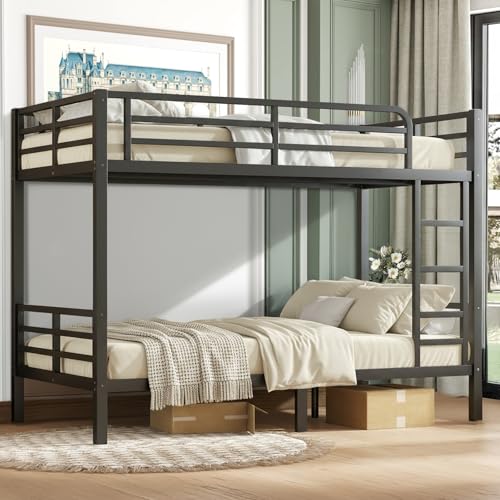
Bunk Beds Twin Over Twin for Adults: The Complete Guide
Space-saving, sturdy, and surprisingly comfortable — a twin over twin bunk bed can be a smart sleeping solution for adults, teens, and guest rooms. Here is everything you need to know before you choose one.
Explore Recommended ModelsWhy consider an adult bunk bed? Bunk beds are no longer just for kids' rooms. A well-built twin over twin bunk bed for adults offers an efficient way to sleep two people in a compact footprint, making it ideal for small apartments, vacation homes, guest rooms, dorm-style setups, and shared bedrooms. The key is choosing a model engineered for adult weight and comfort — not a lightweight children's frame.
Are Twin Over Twin Bunk Beds Safe for Adults?
The short answer is yes — but only if the bed is properly rated for adult use. The main difference between a children's bunk bed and an adult bunk bed lies in the construction and the stated weight capacity. Adult models typically use thicker metal tubing, reinforced slats, or solid wood joinery to support heavier sleepers without wobbling or sagging.
When evaluating safety, focus on three factors:
- Weight capacity: Look for a model whose per-bunk rating comfortably exceeds the weight of the intended sleeper. Heavy-duty and commercial-grade frames generally offer the highest capacities.
- Guard rails: The top bunk should have full-length guard rails on both sides, with a gap no larger than a few inches between the rail and the mattress surface.
- Ladder and access: A sturdy, well-attached ladder with wide, flat steps makes climbing safer. Some models offer angled or built-in stair access.
If you are comparing frame styles, our guide to bunk beds that can hold adults breaks down capacity considerations in more detail, and the broader bunk bed buying guide covers safety standards and assembly tips.
Key Features to Look For in an Adult Twin Over Twin Bunk Bed
1. Frame Material and Construction
Metal frames made from high-grade steel with a rust-proof finish are a popular choice for adult bunk beds because they are durable, easy to clean, and often support higher weight limits. Solid wood frames — particularly hardwood such as pine, oak, or rubberwood — offer a warmer look and excellent stability when properly reinforced. Avoid frames that rely on thin particle board or lightweight tubing, which are better suited to occasional use by children.
2. Weight Capacity and Stability
A stable bunk bed should not sway or creak when someone climbs the ladder or shifts in their sleep. Look for features like reinforced corner joints, center support legs, and slat systems with closely spaced slats. Heavy-duty models often include a weight capacity that is well above the average adult weight, giving you a margin of safety.
3. Mattress Thickness and Fit
Most adult bunk beds are designed for twin mattresses that are 6 to 8 inches thick. A mattress that is too thick can rise above the guard rail on the top bunk, reducing safety. A mattress that is too thin may feel uncomfortable for adults. Always check the manufacturer's recommended mattress thickness range. For guidance on choosing a supportive mattress, see our overview of mattress options for different needs.
4. Convertibility
Many twin over twin bunk beds can be separated into two independent single beds. This is a major advantage for adults, because the bed can adapt as your needs change — for example, moving from a shared bedroom to a guest room setup. Models listed under bunk beds that separate into single beds are worth considering if flexibility matters to you.
5. Access and Storage
A comfortable ladder is essential, but some adult bunk beds go further with built-in stairs, under-bed storage drawers, or shelving. If space is tight, models in our bunk beds for small rooms with storage collection combine sleeping space with practical organization.
Comparing Adult Bunk Bed Tiers
To help you navigate the market without focusing on figures, here is a tier-based comparison of what you can generally expect from each category of adult twin over twin bunk bed.
| Tier | Typical Construction | Best For | Key Considerations |
|---|---|---|---|
| Entry-level | Light steel frame or composite wood; basic slat system | Occasional guest use, teens, light-duty setups | Check weight capacity carefully; may need extra tightening over time |
| Mid-range | Reinforced steel or solid wood; improved joint design and center support | Regular adult use in guest rooms and shared bedrooms | Good balance of stability and ease of assembly; often convertible |
| Premium | Heavy-duty steel or hardwood; commercial-grade joinery and finishes | Daily adult use, vacation rentals, long-term shared living | Higher weight capacities, smoother finishes, more stable ladder design |
| Luxury / flagship | Solid hardwood, premium hardware, integrated storage or stairs | Design-focused rooms, long-term investment furniture | Refined aesthetics, maximum stability, and often modular designs |
Across all tiers, prioritize a firm, well-fitted mattress and a frame with a clear adult weight rating. A mid-range model with reinforced construction often delivers the most balanced combination of durability and practicality for adult sleepers.
Size and Space Planning for Adult Bunk Beds
A standard twin mattress measures approximately 38 by 75 inches, so a twin over twin bunk bed occupies a footprint similar to a single twin bed while sleeping two people. That makes it an efficient choice for rooms where floor space is limited.
Before you buy, measure your ceiling height. You need enough clearance between the bunks to sit up comfortably on the lower bed, and enough headroom above the top bunk to get in and out safely. If your room has sloped or low ceilings, our guides on bunk beds for 8-foot ceilings and bunk beds for sloped ceilings offer practical layout advice.
Choosing the Right Mattress for Each Bunk
Adults need proper support on both the top and bottom bunks. A medium-firm twin mattress is a versatile starting point: it supports the spine, distributes weight evenly, and fits securely within the frame. If the sleeper on the top bunk tends to move around at night, choose a mattress with a slightly firmer feel and a secure, snug fit inside the guard rails.
For extra comfort, a thin mattress topper can soften a firm bunk mattress without adding excessive height. Avoid very deep pillow-top mattresses on the upper bunk, as they can compress and reduce the protective height of the guard rail.
Setup and Placement Tips
- Assemble on a level surface. A flat, stable floor prevents rocking and extends the life of the frame.
- Anchor or brace where possible. Some frames include anti-tip hardware or wall-bracing options; use them if available.
- Keep the ladder clear. Avoid placing furniture directly beside the ladder access point.
- Check hardware periodically. Re-tighten bolts and screws after the first few weeks of use and then as needed.
- Use the recommended mattress size. A snug fit is a safety feature, not just a comfort preference.
Related Bunk Bed Options for Adults
Twin over twin is the most common adult bunk configuration, but it is not the only one. Depending on your room and sleeping needs, you may also want to explore:
- Twin over full bunk beds for adults — more room on the lower bunk for couples or taller sleepers.
- Bunk beds for adults with storage — integrated drawers and shelves for compact living.
- Bunk beds for adults with a trundle — an extra sleeping spot for guests.
- Black twin over twin bunk beds and black metal bunk beds for a modern, versatile look.
- Bunk beds that can be separated — flexible furniture for changing households.
Frequently Asked Questions
Are twin over twin bunk beds strong enough for adults?
Yes, provided you choose a model rated for adult use. Look for heavy-duty construction, high-grade steel or solid wood, and a stated weight capacity that comfortably exceeds the combined weight of the intended sleepers. Avoid lightweight children's frames for regular adult use.
What mattress thickness works best for adult bunk beds?
Most adult bunk beds work best with mattresses between 6 and 8 inches thick. Thicker mattresses can raise the sleeping surface above the safety rail on the top bunk, so always check the manufacturer's recommended range before buying.
Do I need a special mattress for the top bunk?
You need a firm, supportive mattress that fits the frame snugly. Avoid overly soft or pillow-top models, as they can compress and reduce the effectiveness of the guard rails. A standard twin mattress within the recommended thickness range is ideal.
Can adult bunk beds be separated into two single beds?
Many twin over twin models are designed to separate into two independent single beds. This is a valuable feature for guest rooms, apartments, or homes where sleeping arrangements may change over time.
How much ceiling height do I need for a twin over twin bunk bed?
As a general rule, you should have at least 30 to 36 inches of clearance between the top of the lower mattress and the underside of the upper bunk, plus enough headroom above the top bunk to sit up comfortably. Measure your room carefully before purchasing.
Final Verdict: Is a Twin Over Twin Bunk Bed Right for You?
A twin over twin bunk bed for adults is an excellent space-saving solution when you choose a frame engineered for adult weight and comfort. Prioritize a model with a clear adult weight rating, reinforced construction, full-length guard rails, and a snug-fitting mattress within the recommended thickness range.
If you want flexibility, look for a convertible design that separates into two single beds. If storage is a concern, models with built-in drawers or shelving make the most of limited floor space. And if you simply want a clean, modern look, black metal or solid wood finishes blend easily with most bedroom styles.
Take your time comparing options, measure your room, and match the mattress to the frame. A well-chosen adult bunk bed can serve your household comfortably for many years.