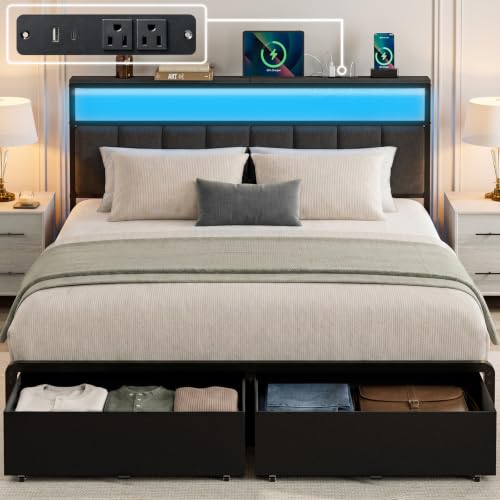
Cheap Platform Beds with Headboard: Complete Buying Guide
Explore entry-level and mid-range platform beds with headboard, compare materials and construction, and find the right fit for your bedroom without compromising on stability or style.
Compare OptionsWhy this guide matters: A platform bed with headboard combines two essentials — mattress support without a box spring and a finished look against the wall. For shoppers in the research phase, the challenge is separating solid construction from flimsy imitations across the entry-level and mid-range tiers.
This guide breaks down frame materials, headboard styles, weight capacity indicators, and assembly considerations so you can evaluate any option with confidence before you buy.
What Makes a Platform Bed with Headboard a Smart Choice
A platform bed uses a slat system or solid platform to support the mattress directly, eliminating the need for a box spring. Adding a headboard transforms the frame from a purely functional base into a finished focal point. Together, these features deliver three practical benefits:
- Simplified setup: No box spring means fewer components to assemble and one less item to replace later.
- Space efficiency: Many platform beds sit closer to the floor with clean lines, which suits smaller bedrooms and modern interiors.
- Mattress compatibility: Slatted and solid platforms work well with foam, hybrid, and latex mattresses when slat spacing is within recommended ranges.
When you are evaluating entry-level options, the key is to check slat count, slat thickness, and the number of center support legs. A well-built entry-level frame can outperform a poorly constructed mid-range model in everyday durability.
Platform Bed Tiers: What to Expect at Each Level
Rather than fixating on any single figure, it helps to understand how platform beds with headboard are positioned across market tiers. The table below uses a tier-based classification so the comparison stays relevant over time.
| Tier | Typical Construction | Best For |
|---|---|---|
| Starter tier | Powder-coated steel or basic engineered wood, 8–10 slats, limited center support | Guest rooms, first apartments, light-use bedrooms |
| Essential tier | Reinforced metal frame or solid wood, 12+ slats, one or two center support legs | Daily use in adult bedrooms, foam and hybrid mattresses |
| Mid-tier | Hardwood or high-grade steel, closely spaced slats, upholstered or paneled headboard | Primary bedrooms, heavier mattresses, long-term use |
| High-end tier | Solid hardwood joinery, reinforced corner brackets, premium upholstery or wood finishes | Design-focused bedrooms, heavier sleepers, multi-year investment |
Within the starter and essential tiers, the most common weak points are slat flex and headboard wobble. Look for frames that include a center rail with at least one support leg, and headboards that bolt to the frame rather than relying on a single connection point.
Metal Frame Construction
High-grade steel with a rust-proof finish offers predictable durability. Reinforced corner joints and a center support rail are the markers of a well-specified metal platform bed.
Wood Frame Construction
Solid wood and high-quality engineered wood deliver a warmer look. Check for kiln-dried hardwood, interlocking joinery, and a slat system that resists sagging over time.
Upholstered Headboards
Fabric or faux-leather headboards add comfort for reading in bed. Dense foam padding and tightly stitched seams indicate better construction within the tier.
Slat Spacing and Support
Slats spaced 2.5 to 3 inches apart support most mattresses. Wider spacing may require a bunkie board, especially for foam mattresses with softer support cores.
How to Evaluate a Platform Bed Before You Buy
Product listings often emphasize styling over structure. The following checklist helps you read past the marketing copy and assess what actually matters:
- Weight capacity indicators: Look for stated load ratings and the number of support legs. More legs under the center rail generally mean less flex.
- Headboard attachment: Bolted or bracketed connections are more stable than slotted or friction-fit designs.
- Slat thickness: Thicker slats resist bowing; plywood or solid wood slats outperform thin composite strips.
- Assembly hardware: Steel bolts and locking washers age better than plastic clips. Check whether tools are included.
- Clearance and storage: Under-bed clearance of 10 to 14 inches accommodates most storage bins without making the bed feel low.
Editorial note: If you are furnishing a shared or growing household, compare platform beds with headboard alongside storage-focused options. For rooms that need to sleep more than one person, browse bunk beds and bunk beds with storage to see how vertical space changes the equation.
Headboard Styles and Room Fit
The headboard sets the visual tone of the bed. Within the platform bed category, four styles dominate:
- Panel headboards: Clean horizontal or vertical lines that suit modern and minimalist rooms.
- Upholstered headboards: Soft textures that work well in transitional and contemporary bedrooms.
- Slatted or spindle headboards: Open designs that keep small rooms feeling airy.
- Bookcase headboards: Built-in shelving that adds function without a separate nightstand.
Measure the wall width and the height from floor to mattress top before choosing a headboard height. A headboard that extends 20 to 30 inches above the mattress provides comfortable back support for sitting up. For related bedroom styling guidance, see our buying guides and reviews section.
Mattress Pairing for Platform Beds
Platform beds work with most mattress types, but the pairing matters:
- Memory foam: Benefits from closely spaced slats or a solid platform to prevent sagging through gaps.
- Hybrid and innerspring: Requires a slat system with adequate support and a center rail for heavier builds.
- Latex: Works best on a firm, evenly spaced slat foundation with minimal flex.
If you are comparing mattress sizes before finalizing a frame, our guides on full-size beds and king-size beds outline the footprint each size occupies in a room.
Frequently Asked Questions
Do platform beds need a box spring?
No. Platform beds are designed to support the mattress directly through slats or a solid platform. Adding a box spring raises the mattress height and is generally unnecessary.
What slat spacing is best for a foam mattress?
Slats spaced 2.5 to 3 inches apart provide even support for most foam mattresses. Wider gaps can allow softer foam to dip between slats over time.
Are entry-level platform beds with headboard durable?
Many starter and essential tier frames are durable for daily use when they include a center support rail and reinforced joints. Inspect the hardware quality and stated load rating before buying.
Can a platform bed with headboard fit in a small bedroom?
Yes. Platform beds often have a compact footprint. Choose a headboard style with a slim profile and confirm the total length, including any footboard, against your room dimensions.