Cheap Beds and Frames: Smart Choices for Every Sleeper
Looking for an entry-level bed that still delivers on comfort, stability, and durability? This complete guide breaks down frame materials, size options, mattress compatibility, and the essential factors that separate a genuinely good value from a short-lived compromise.
Start the GuideWhy this guide matters: Most shoppers researching beds and frames already know the size and style they want — what they need is clarity on construction quality, load capacity, and long-term reliability at the entry and mid tiers. Everything below is designed to help you compare options confidently before you commit to a purchase.
Understanding the Entry-Level Bed Market
The bed and frame category spans a wide spectrum, from starter-tier metal frames to professional-grade platform beds. What matters most is not the label on the box, but how the frame is built and whether it matches your sleeping habits, room layout, and mattress type.
Shoppers who explore cheap beds and frames often assume that a lower position on the market ladder means compromised stability. In reality, the category has matured significantly. Reinforced steel slats, solid wood rails, and improved joinery now appear in essential-tier products that hold up for years under normal use. The key is knowing which specifications to inspect and which marketing claims to ignore.
This guide organizes the category into three practical tiers so you can compare like with like. Instead of chasing labels, you will learn to evaluate frame material, weight capacity, slat spacing, assembly complexity, and mattress compatibility — the five factors that determine whether a bed performs well in daily life.
The Three Practical Tiers of Beds and Frames
To make comparison straightforward, we classify beds and frames into three tiers based on construction quality and intended use. This classification is relative, not absolute — a well-built essential-tier frame can outperform a poorly made mid-tier one.
Starter and Entry-Level
Simple metal or wood frames with basic slat systems. Best for guest rooms, first apartments, kids' rooms, and short-to-medium-term use. Focus on reinforced joints and adequate slat count.
Mid-Range and Everyday
Upgraded materials, thicker rails, and better hardware. Ideal for primary bedrooms where the bed is used nightly. Look for solid wood or high-grade steel construction and noise-free assembly.
Premium and High-End
Heavy-duty construction, reinforced center supports, and refined finishes. Suited to larger mattresses, heavier sleepers, and long-term investment in bedroom furniture.
When comparing products across these tiers, use relative language rather than absolute figures. A balanced-tier frame typically offers smoother assembly, tighter tolerances, and better long-term stability than an essential-tier equivalent — but both can be perfectly serviceable when matched to the right room and sleeper.
Frame Materials: What Actually Matters
The material of a bed frame is the single strongest predictor of durability. Here is how the most common options compare within the entry and mid tiers.
Steel and Metal Frames
Metal frames dominate the essential tier because they are efficient to manufacture and easy to ship. The critical detail is the gauge of the steel and the quality of the finish. Look for high-grade steel with a rust-proof finish, reinforced corner joints, and a center support rail on larger sizes. A well-specified metal frame is one of the most durable options in its class.
Solid Wood and Engineered Wood
Wooden frames in the balanced tier often use a mix of solid wood rails and engineered panels. Solid build quality shows in the weight of the frame and the tightness of the joints. Avoid frames with visible gaps at corner connections, as these tend to loosen over time and create squeaks.
Upholstered and Platform Designs
Upholstered frames add visual warmth but require a sturdier internal skeleton to maintain shape. Platform beds, which rely on closely spaced slats instead of a box spring, are increasingly common in the entry and mid tiers. Check slat spacing carefully — tighter spacing supports the mattress better and extends its usable life.
Size and Mattress Compatibility
Choosing the right size is about more than room dimensions. Mattress thickness, slat spacing, and frame rail height all interact to determine comfort and safety.
| Size | Best For | Frame Notes |
|---|---|---|
| Twin / Single | Kids' rooms, guest spaces, solo sleepers | Lightweight frames are usually sufficient; check slat count |
| Full / Double | Teens, single adults, compact primary bedrooms | Center support rail recommended for metal frames |
| Queen | Couples, primary bedrooms, most popular size | Look for reinforced center legs and thicker rails |
| King / California King | Spacious primary suites, taller sleepers | Heavy-duty construction and multiple center supports are essential |
Mattress compatibility is equally important. Memory foam mattresses generally perform best on closely spaced slats or a solid platform, while innerspring mattresses can work with wider slat spacing. If you are pairing a new frame with an existing mattress, confirm the maximum recommended mattress thickness to avoid a mismatched setup.
For shoppers exploring specific configurations, our guides on cheap full beds, cheap king size beds for sale, and cheap platform beds with headboard break down the size-specific considerations in more detail.
Essential Buying Factors to Check Before You Decide
Before comparing specific products, run through this checklist. Each factor has a direct impact on how the bed performs day to day.
1. Weight Capacity
Weight capacity is the clearest indicator of frame strength. Essential-tier frames often handle standard adult use comfortably, while balanced and top-tier frames add margin for heavier sleepers or shared use. If the capacity is not listed, contact the seller or choose a different model.
2. Slat Spacing and Support
Slats distribute the mattress load across the frame. Closer spacing — typically under three inches — is better for foam mattresses and extends overall mattress life. For larger sizes, a center support rail with a center leg is non-negotiable for stability.
3. Assembly Complexity
Most entry-level frames ship flat-packed and assemble in under an hour with basic tools. Balanced-tier frames may include more hardware and take longer, but the result is usually a tighter, quieter structure. Check whether the listing includes tools and clear diagrams.
4. Noise and Squeak Resistance
Squeaks usually come from loose joints or metal-on-metal contact. Look for frames with nylon washers, foam padding at contact points, or welded rather than bolted corner joints. Customer reviews are a reliable signal here.
5. Return Policy and Warranty
A generous return window matters more in the entry tier, where fit and finish can vary. A stated warranty of at least one year is a reasonable baseline for frames in the essential and balanced tiers.
Popular Configurations for Different Needs
Different households need different bed setups. Here are the most common configurations shoppers research, with guidance on what to prioritize in each case.
Space-Saving and Multi-Function Beds
For smaller rooms, bunk beds and storage beds maximize vertical and under-bed space. If you are furnishing a kids' room or guest space, our bunk beds with storage and bunk beds with stairs guides cover safety rails, ladder placement, and assembly considerations in depth. Shoppers comparing entry-level bunk options can also explore cheap bunk beds and cheap bunk beds with mattresses.
Bed Frames with Headboards
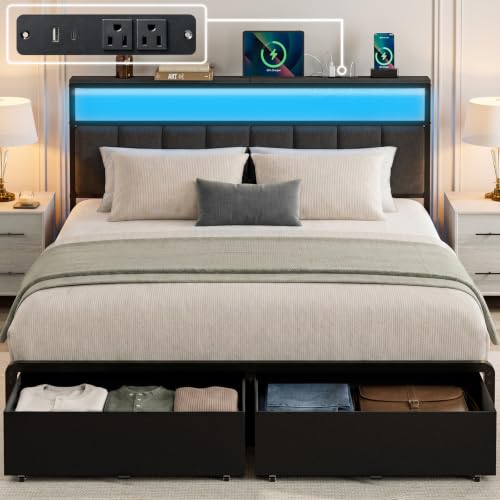
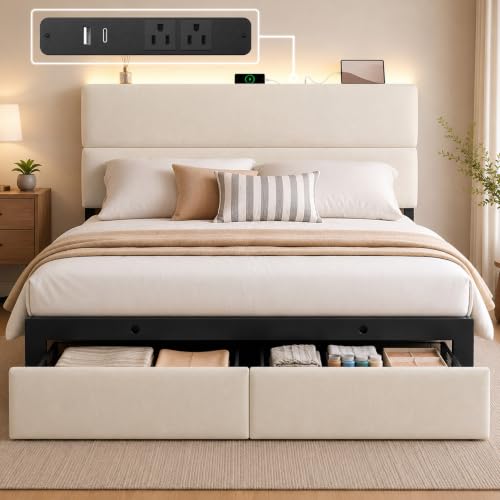
A headboard anchors the bed visually and protects the wall. Platform frames with integrated headboards are a popular balanced-tier choice because they combine support and style without a separate box spring. See our breakdown of cheap platform beds with headboard for frame depth and headboard height guidance.
Mattress-Included Bundles
Bundles simplify the buying process, but the included mattress is usually basic. They work well for guest rooms and starter setups. If you are comparing bundles, review cheap beds with mattress included and cheap full size beds with mattress to understand what is typically included at each tier.
Adjustable and Specialty Frames
Adjustable beds are no longer limited to the top tier. Entry-level adjustable frames offer head and foot articulation for reading and recovery. Our cheap adjustable beds with mattress guide explains the motor and frame specifications to check before ordering.
Assembly, Care, and Long-Term Use
A bed frame that is assembled correctly lasts significantly longer. Follow these practical steps to get the most from any tier.
- Assemble on a flat surface. Uneven floors cause frames to twist and loosen over time.
- Tighten hardware in stages. Hand-tighten all bolts first, then fully tighten once the frame is square.
- Re-check fasteners after the first month. New frames settle slightly as they bear weight; a quick re-tightening prevents squeaks.
- Use a mattress protector. It keeps the mattress clean and reduces wear at the slat contact points.
- Rotate the mattress. Rotating every few months distributes wear and extends usable life, especially on entry-tier mattresses.
For ongoing bedroom setup advice, including complementary furniture and storage, browse our buying guides and reviews section.
Frequently Asked Questions
Can a cheap bed frame still be durable?
Yes. Many entry-level and mid-range frames use reinforced steel or solid wood construction that holds up well for years, especially when assembled correctly and used within the recommended weight limits. Durability depends far more on construction details than on the tier label.
What should I check first when buying a cheap bed?
Check the frame material, weight capacity, slat spacing, and assembly requirements. These four factors determine stability, mattress support, and long-term durability more than any other specification. Start there and compare products on those points before looking at styling.
Is a cheap mattress included with most cheap bed frames?
Some entry-level bed bundles include a basic mattress, while most frame-only listings do not. Always read the product description carefully to confirm what is included before ordering, and check whether the included mattress matches your preferred firmness and size.
Do I need a box spring with a platform bed?
No. Platform beds are designed with closely spaced slats that support the mattress directly, so a box spring is not required. In fact, adding one can raise the mattress too high and reduce stability. Platform designs are one of the most practical configurations in the entry and mid tiers.
How long should a bed frame last?
With correct assembly and normal use, an essential-tier frame typically lasts several years, while balanced and top-tier frames can last considerably longer. Regular re-tightening of hardware and keeping within the stated weight capacity are the two habits that most extend frame life.
Final Thoughts: Buying Smart at Every Tier
The best cheap beds and frames are not the ones with the loudest marketing — they are the ones whose specifications match your room, your mattress, and your sleeping habits. By focusing on construction quality, weight capacity, slat spacing, and assembly details, you can choose an entry-level or balanced-tier bed with confidence and avoid the common pitfalls that lead to squeaks, sagging, and early replacement.
Use the tier framework and checklist in this guide as your comparison toolkit. Whether you are furnishing a first apartment, a guest room, or a full primary suite, the right frame is the foundation of better rest — and it does not have to sit at the top of the market to perform well.