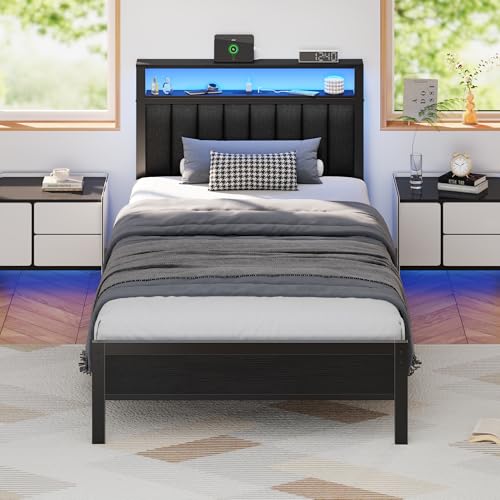
Cheap Twin Beds: Smart Picks for Small Spaces & Guest Rooms
Twin beds remain the most practical solution for compact bedrooms, dorm rooms, and guest areas. This guide explains frame types, mattress compatibility, sizing, and the smartest entry-level options so you can choose with confidence.
Explore Twin Bed OptionsWhy twin beds still make sense: A twin bed occupies less floor space than any other standard size, fits comfortably into narrow rooms, and pairs with a wide range of mattress constructions. For buyers researching a first bed, a guest setup, or a children's room, understanding the frame-to-mattress relationship is the single most important step before ordering.
What Defines a Twin Bed?
A standard twin bed measures 38 inches wide by 75 inches long. That footprint makes it the most compact conventional bed size available, which is why it dominates dorm rooms, children's bedrooms, and small guest spaces. A twin XL adds five inches of length, reaching 80 inches, and is the preferred choice for taller teens and adults who need extra legroom without widening the bed.
Because the twin size is so widely produced, it benefits from the deepest selection of frames and mattresses on the market. That breadth of choice is exactly why careful comparison pays off. Buyers who understand how frame height, support structure, and mattress thickness interact will avoid the most common mistakes.
Twin Bed Frame Types Compared
The frame you choose determines how the bed sits in the room, how much storage you gain, and which mattress types are compatible. The table below summarizes the main categories using neutral quality tiers rather than monetary labels.
| Frame Type | Best For | Key Consideration |
|---|---|---|
| Platform frame | Minimalist rooms, mattress-only setups | No box spring required; check slat spacing |
| Metal frame | Durability, easy assembly, guest rooms | Look for reinforced center support |
| Wooden frame | Warm bedroom styling, children's rooms | Solid wood outlasts engineered wood |
| Storage frame | Tight rooms without a dresser | Drawer clearance requires side space |
| Daybed or trundle | Multi-purpose rooms, sleepovers | Verify trundle mattress compatibility |
If the room doubles as a study or play area, a daybed or trundle design keeps the footprint flexible during daytime hours. Buyers comparing compact convertible options may find value in reviewing convertible beds for small spaces alongside standard twin frames. For rooms that need to host two sleepers occasionally, a trundle bed with a mattress pairs a twin sleeping surface with a pull-out second bed.
Twin Mattress Pairing Basics
A twin frame is only as comfortable as the mattress resting on it. Three variables matter most:
- Thickness: Mattresses between 6 and 10 inches suit most twin frames. Very thick mattresses can sit awkwardly inside shallow rails.
- Support type: Foam mattresses work on slatted and platform bases; innerspring and hybrid models may require a box spring or closely spaced slats.
- Firmness: Guest room mattresses benefit from a medium feel that accommodates different sleepers, while children's mattresses favor firmer support.
Purchasing a frame and mattress together removes most compatibility guesswork. Our overview of twin beds with a mattress included explains how bundled setups are structured and what to verify before ordering.
Quality Tiers for Twin Beds
Twin beds span a broad range of construction quality. Rather than comparing figures, it helps to understand where each tier sits in the market and what it delivers.
Starter Tier
Basic metal or engineered wood frames with simple assembly. Suitable for guest rooms, occasional use, and children's rooms where the bed is not the centerpiece of the space.
Balanced Tier
Reinforced frames with center support legs, better finishes, and improved slat systems. A solid choice for daily adult use and rooms where longevity matters.
High-End Tier
Solid hardwood construction, upholstered finishes, and integrated storage. These frames are built as long-term investments and typically pair with premium mattresses.
Mid-range frames usually offer noticeably sturdier joints and smoother drawer mechanisms than starter-tier models. Buyers prioritizing durability for adult daily use should lean toward that middle tier, while occasional-use guest rooms can be served well by entry-level designs.
Sizing and Room Planning
Before ordering, measure the room and map the bed placement. A twin bed needs at least 24 inches of walking clearance on the access side. Add the frame's outer dimensions, not just the mattress dimensions, because rails and headboards extend beyond the sleeping surface.
For extremely tight rooms, compact designs and space-saving layouts make a meaningful difference. Our guide to comfortable beds for small spaces covers clearance rules and layout patterns that apply directly to twin setups. Buyers furnishing a child's room can also review children's beds for small rooms for scale-appropriate options.
Twin Bunk and Multi-Sleeper Options
When a room needs to sleep two people, twin bunk beds deliver two sleeping surfaces within a single footprint. The most common configurations are twin-over-twin and twin-over-full. Buyers weighing the two should consider ceiling height, the age of the sleepers, and whether the upper bunk will be used by an adult.
Our comparison of twin-over-twin bunk beds explains ladder placement and guardrail requirements, while the twin bunk beds with mattresses overview covers bundled setups. Families furnishing a shared children's room may also find the children's bunk beds with stairs guide useful for safer access designs.
Where to Place a Twin Bed in the Home
Twin beds serve several distinct roles, and each role suggests a slightly different frame choice:
- Guest room: A platform or metal frame with a medium-firm mattress keeps the setup simple and comfortable for varied sleepers.
- Children's bedroom: A wooden frame with rounded edges and a firm mattress supports growing sleepers and blends with children's bedroom furniture collections.
- Dorm or first apartment: A twin XL frame with a compact storage base maximizes a limited footprint.
- Multi-purpose room: A daybed or trundle keeps the room usable during the day and sleep-ready at night.
If the room also needs bedding, our overview of the most economical bedsheet options explains how to match sheet sizing to standard twin dimensions without guessing.
Pre-Purchase Checklist for Twin Beds
- Confirm the frame's outer dimensions, not just the mattress size.
- Check the manufacturer's stated weight capacity for adult use.
- Verify slat spacing if pairing with a foam mattress.
- Measure drawer clearance for storage frames.
- Decide between standard twin and twin XL based on sleeper height.
- Confirm whether a mattress, box spring, or slats are included.
- Review assembly requirements and available tools.
Common Buying Mistakes to Avoid
The most frequent error is ordering a frame without checking mattress thickness. A thick mattress on a shallow rail frame can sit above the headboard and look unbalanced. The second most common mistake is skipping weight-capacity checks for adult use. Entry-level tubular frames are often rated for lighter loads than reinforced mid-range designs.
Buyers should also confirm whether a box spring is required. Platform frames generally eliminate that need, while some traditional frames depend on it for support and height. Finally, verify the return window on both the frame and the mattress, since comfort preferences are difficult to predict before sleeping on a bed.
Frequently Asked Questions
What is the difference between a twin bed and a twin XL bed?
A standard twin measures 38 by 75 inches, while a twin XL measures 38 by 80 inches. The extra five inches of length suit taller teens and adults. Standard twins remain the most compact option for guest rooms and children's bedrooms.
Do cheap twin beds include a mattress?
Most twin bed frames are sold separately from the mattress. Some bundled setups combine a frame and mattress in one package, which simplifies the process for guest rooms and first apartments. Always confirm what is included before ordering.
Which twin bed frame is best for small rooms?
Platform and storage frames are the most space-efficient. A platform frame removes the need for a box spring, while a storage frame adds drawers underneath to replace a dresser. Daybeds and trundles keep the footprint compact during the day.
How much weight can an entry-level twin bed frame support?
Support capacity varies by material and construction. Metal frames with reinforced center supports and solid wood frames with slatted bases generally handle higher loads. Check the manufacturer's stated limit and look for a center support leg for adult use.
Is a twin bed suitable for an adult?
A twin bed works for a single adult in a compact apartment or guest room, provided the frame is rated for adult weight and the mattress offers adequate support. Taller adults should consider a twin XL for extra legroom.