Children's Beds for Small Rooms: Smart Space-Saving Solutions
Turn a compact bedroom into a comfortable, functional, and playful space. Explore the best children's bed designs that maximize every square foot without compromising safety or style.
Why Space-Saving Beds Matter for Small Children's Rooms
When a child's bedroom is limited in floor area, every piece of furniture must earn its place. A poorly chosen bed can consume the majority of usable space, leaving little room for play, study, or storage. According to child development research, children need dedicated floor space for imaginative play and movement — both of which support physical coordination and cognitive growth.
Space-saving children's beds solve this challenge by combining sleep with vertical space, hidden storage, or convertible functionality. The result is a room that feels open, organized, and adaptable as your child grows. Whether you are furnishing a nursery, a shared siblings' room, or a compact urban apartment, the right bed design transforms a cramped area into a genuinely livable space.
Key Insight: A well-chosen space-saving bed can free up 30–50% of floor area compared to a standard bed placement — creating room for a desk, play zone, or wardrobe without adding square footage.
If you are exploring broader options beyond children's furniture, our guide to comfortable space-saving beds covers adult-friendly designs that work equally well in family homes. For rooms shared by two children, children's bunk beds for small rooms offer a proven solution that doubles sleeping capacity without doubling the footprint.
Best Bed Types for Children's Small Rooms
Not every space-saving bed suits every room. The right choice depends on ceiling height, room shape, the child's age, and whether the room is shared. Below are the most effective categories, ranked by how much floor space they reclaim.
1. Loft Beds
Loft beds raise the sleeping platform high enough to place a desk, play area, or storage beneath. They are ideal for rooms with standard or high ceilings and work especially well for older children who need a study zone. Choose a loft with a sturdy ladder and full-length guardrails. For bedroom furniture that pairs naturally with loft beds, see our children's bedroom furniture loft beds collection.
2. Bunk Beds
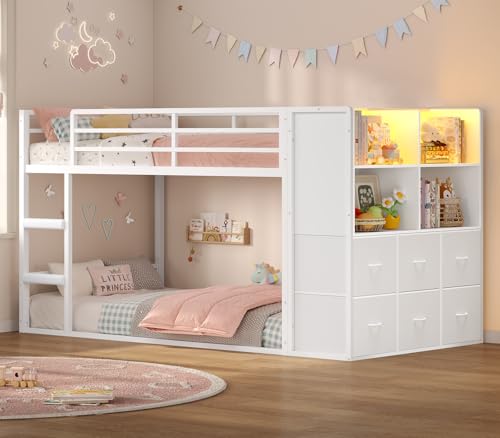
Bunk beds stack two sleeping surfaces into the footprint of one. They are the go-to solution for siblings sharing a small room. Modern designs include stairs instead of ladders, built-in storage steps, and configurations that separate into two individual beds later. Explore children's bunk beds with storage stairs for a setup that combines safety, storage, and style. If you anticipate the children eventually wanting separate rooms, children's bunk beds that separate offer long-term flexibility.
3. Trundle Beds
A trundle bed hides a second mattress underneath the main bed and rolls out only when needed. This is a superb choice for small rooms that occasionally host sleepovers or grandparents. During the day, the trundle disappears entirely, leaving a single-bed footprint. For matching options, browse trundle beds with mattress to find complete setups.
4. Pull-Out and Under-Bed Beds
Similar to trundles but often built into the frame itself, pull-out beds beneath a main bed provide an extra sleeping surface without permanent floor commitment. These are particularly useful in rooms where a dedicated guest bed is impractical. See children's beds with pull-out bed underneath for designs that maximize versatility.
5. Compact and Convertible Beds
Convertible beds transition from crib to toddler bed to full-size bed, or from sofa to sleeper. They reduce the need to replace furniture as the child grows. A children's sofa bed can serve as seating during the day and a bed at night — ideal for a multi-purpose room.
6. Mid-Sleeper and Cabin Beds
Mid-sleepers sit lower than full lofts, making them safer for younger children while still freeing space underneath. Cabin beds typically include built-in storage drawers or shelving. For shared or very tight rooms, compact bunk beds for small rooms combine a mid-height bunk with storage in one footprint.
Comparison Table: Children's Beds by Tier
The table below groups popular bed categories by market positioning. Use it to match your priorities — space savings, durability, flexibility, or long-term adaptability — with the appropriate tier. No prices are listed; instead, each row describes what you can typically expect within that tier.
| Bed Type | Tier | Best For | Space Reclaimed | Key Strength |
|---|---|---|---|---|
| Trundle Bed | entry-level | Occasional guests, single child | Moderate | Hidden second bed, simple setup |
| Compact Bunk Bed | entry-level | Siblings in very small rooms | High | Two sleepers, one footprint |
| Mid-Sleeper / Cabin Bed | mid-range | Younger children, storage needs | High | Lower height, built-in drawers |
| Loft Bed with Desk | mid-range | School-age children, study zone | Very High | Sleep + workspace + play area |
| Bunk Bed with Storage Stairs | premium | Long-term shared rooms | Very High | Safe stairs, hidden compartments |
| Convertible Bunk (separates) | premium | Families planning ahead | High | Adapts from bunk to two beds |
| Custom / Built-In Loft | luxury | Unusual room shapes, maximum fit | Maximum | Tailored to exact dimensions |
Mid-range models typically offer smoother mechanisms, thicker guardrails, and better finish quality than entry-level options, while premium and luxury tiers add convertible features, certified safety compliance, and long-term durability. Choose the lowest tier that meets your safety and functional requirements — upgrading tiers becomes worthwhile when the bed must serve multiple children or last through adolescence.
Safety Standards You Must Check Before Buying
Children's beds are not ordinary furniture — they are subject to specific safety regulations. Regardless of tier, verify the following before purchase:
- Guardrails: Bunk and loft beds must have guardrails on all open sides, with no gap larger than the child's body can slip through. Top bunks require rails on both long sides and at least one end.
- Ladder and stair design: Ladders should be firmly attached, with flat steps rather than rounded rungs. Stairs with handrails are safer for younger children.
- Entrapment hazards: Gaps between the mattress and bed frame, or between the guardrail and mattress, must be within regulated limits to prevent entrapment.
- Stability: All beds, especially loft and bunk designs, must pass stability testing. Wall-anchoring kits should be included and used.
- Non-toxic finishes: Look for low-VOC or water-based finishes, especially for younger children who may chew on rails.
- Certification marks: Check for recognized juvenile product safety certifications in your region.
Age guidance: Children under six should generally not sleep on the top bunk. Loft beds are typically recommended for ages six and up, and always with adult supervision during the transition period.
How to Measure Your Room Before You Choose
A space-saving bed only works if it fits — and leaves room to move. Follow this measuring process:
- Measure wall-to-wall dimensions at floor level and at the height of the bed's widest point.
- Record ceiling height. Loft and bunk beds need clearance above the top mattress — typically at least 30 inches (76 cm) between the mattress surface and the ceiling.
- Map door swings and window openings. A bed that blocks a door or window is a safety hazard and a daily frustration.
- Mark out the bed footprint with tape on the floor. Walk around it. Can your child open drawers, climb the ladder, and reach the wardrobe?
- Leave clearance for radiators and vents. Beds placed against heating sources create discomfort and fire risk.
- Consider mattress thickness. A thick mattress raises the sleeping surface and can affect guardrail effectiveness on bunks and lofts.
For a broader view of compact configurations across age groups, see children's beds for small spaces and children's beds for category overviews.
Storage and Multi-Function Ideas That Free Up Floor Space
In a small room, the bed should do more than one job. Consider these combinations:
- Under-bed drawers: Store clothing, toys, or bedding. Cabin beds and mid-sleepers often include these by default.
- Stair storage: Each step of a storage staircase can hold books or bins. This is a hallmark of premium bunk designs.
- Bedside integration: A children's bedside table with a drawer keeps essentials close without a separate nightstand. For a lighter look, a children's white bedside table blends into small, bright rooms.
- Desk under loft: A loft bed with a built-in desk creates a full study station in the footprint of the bed alone.
- Sofa-bed hybrids: A children's sofa bed doubles as seating, ideal for rooms used for reading or play during the day.
- Wall-mounted shelving: Vertical storage above the bed or desk keeps the floor clear.
For rooms shared by two children, children's bedroom furniture bunk beds often integrate storage into the frame itself, eliminating the need for a separate dresser.
Choosing by Age Group
Toddlers (2–4 years)
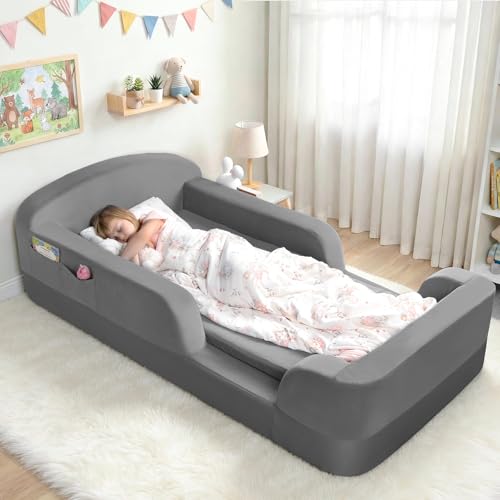
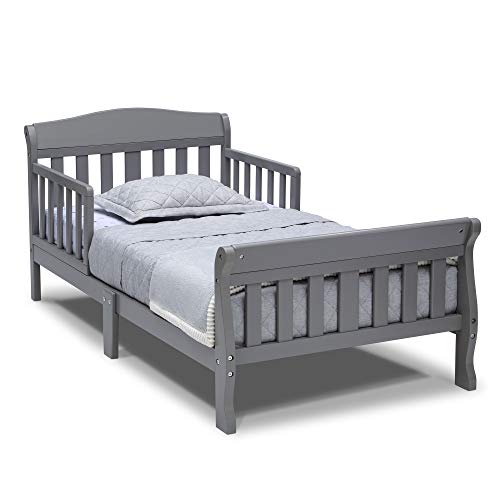
Prioritize low beds, stable frames, and rounded edges. A toddler bed or a floor-level trundle is safest. Avoid lofts entirely at this stage. A convertible crib-to-toddler design reduces future replacement needs.
Young Children (5–8 years)
Mid-sleepers and low bunk beds become appropriate, with strict attention to guardrails and ladder safety. This is also the age when storage steps become valuable — children can climb safely while the steps hold toys and books.
Older Children (9–12 years)
Loft beds with desks are excellent here, creating a study zone that supports homework routines. Bunk beds with separate-bed conversion options give flexibility as siblings mature.
Teenagers
Full-size loft beds, sofa beds, and convertible designs work well. Teens often prefer a bed that feels less "childish" — look for clean lines and neutral finishes in the mid-range or premium tier. For adults and teens sharing compact spaces, comfortable beds for small spaces offers additional guidance.
Common Mistakes to Avoid
- Buying before measuring: The most frequent error. Always tape out the footprint first.
- Ignoring ceiling height: A loft bed that leaves too little headroom above the mattress is unusable and unsafe.
- Skipping the wall anchor: Even sturdy bunk beds should be anchored to the wall to prevent tipping.
- Choosing a thick mattress for a bunk: Mattress thickness affects guardrail height. Follow the manufacturer's maximum thickness specification.
- Overlooking the ladder position: A ladder that opens into a doorway or blocks a wardrobe creates daily friction.
- Assuming "one size fits all": Custom or modular designs exist precisely because room shapes vary. If standard sizes do not fit, consider a custom bunk bed for small rooms.
Frequently Asked Questions
What is the best bed for a very small children's room?
For a single child, a loft bed with a desk underneath maximizes both sleep and study space. For two children, a compact bunk bed with storage stairs is the most space-efficient option. Trundle beds are best when the second sleeping surface is only occasionally needed.
Are bunk beds safe for young children?
Bunk beds are generally safe when used correctly. Children under six should not sleep on the top bunk. Ensure full guardrails, a securely attached ladder, and compliance with juvenile product safety standards. Anchor the bed to the wall.
How much clearance is needed above a loft bed?
A minimum of 30 inches (76 cm) between the top of the mattress and the ceiling is the common recommendation. More clearance improves comfort and makes changing bedding easier.
Can a bunk bed be separated into two beds later?
Yes — many modern bunk beds are designed to split into two individual beds. This is useful for families who anticipate moving to a larger home or converting the room as children grow. Look for "separates into two beds" in the product description.
What mattress thickness works best for bunk beds?
Follow the manufacturer's specification. In general, a mattress no thicker than 8 inches (20 cm) is commonly recommended for the top bunk so that guardrails remain effective. Always check the specific bed's manual.
Is a trundle bed suitable for everyday sleeping?
Trundle mattresses are often thinner and intended for occasional use. If the second sleeper will use the bed nightly, choose a trundle designed for regular sleep or consider a bunk bed instead.
Ready to Find the Right Bed for Your Child's Room?
Browse our curated selection of space-saving children's beds and compare features, tiers, and designs side by side.
Explore Recommended Options