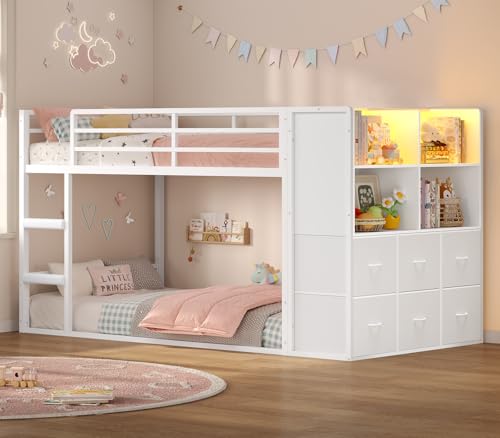
Children's Bunk Beds with Drawers: The Smart Storage Solution for Kids' Rooms
Combine sleep space and hidden storage in one smart piece of furniture. This guide explains drawer bunk bed designs, safety standards, and room layouts so you can choose with confidence.
START THE GUIDEWhy bunk beds with drawers make sense: Kids' rooms are often short on floor space but long on belongings. A bunk bed with built-in drawers turns the space under the lower bunk into usable storage, reducing clutter and freeing up room for play, study, or simply breathing room. This guide walks you through the design types, safety details, and practical layout choices that matter most for families.
What Are Children's Bunk Beds with Drawers?
A children's bunk bed with drawers is a stacked sleeping arrangement where one or more storage drawers are integrated beneath the lower bunk. Instead of leaving that space empty, the design uses it for clothing, bedding, toys, or school supplies. The result is a single footprint that handles two sleepers and a meaningful amount of storage.
These beds typically fall into two structural families: solid-frame bunk beds with wooden or metal drawer boxes, and platform-style bunk beds where the lower mattress sits on a slatted base with drawers built into the frame below. Solid-frame models are usually more durable for daily use, while platform designs can feel more open and modern. For families who need extra sleeping space on occasion, consider comparing with bunk beds with a trundle, which add a third sleeping surface instead of, or alongside, drawers.
Why Choose a Bunk Bed with Drawers?
Storage is the headline benefit, but it is not the only one. Here is what families gain from this furniture category:
- Space efficiency: Two sleepers plus storage in the footprint of a single bed. That matters in smaller bedrooms, shared rooms, and guest-friendly layouts.
- Clutter control: Drawers give every item a home. Clothing, spare bedding, and toys stay out of sight, which makes the room easier to tidy and safer to move around in.
- Fewer furniture pieces: A dresser or storage chest may no longer be necessary, simplifying the room and reducing tripping hazards.
- Flexible organization: Some models combine drawers with shelving, so you can separate categories — clothes in one drawer, books in another, toys in a third.
- Long-term usefulness: Mid-range and premium models often convert into two separate beds as children grow, extending the furniture's useful life.
If you are furnishing a room from scratch, it also helps to browse related storage-forward options like twin size storage beds and queen storage beds with drawers to compare how drawer capacity scales with bed size.
Types of Children's Bunk Beds with Drawers
Drawer bunk beds are not one-size-fits-all. The right choice depends on room dimensions, the number of children, and how much storage you need. Here are the most common configurations:
Twin-over-Twin with Drawers
The classic configuration for siblings close in age. Two twin sleeping surfaces stack vertically, with two to four drawers under the lower bunk. These models suit smaller rooms and are widely available in both wood and metal frames. Browse twin over twin bunk beds for a closer look at this layout.
Full-over-Full with Drawers
Better for older children or teenagers who need more sleeping room. The larger footprint requires more floor space and higher ceilings, but the extra drawer depth is genuinely useful for clothing and bedding. See heavy-duty full over full bunk beds for robust constructions.
Twin-over-Full with Drawers
A balanced option: a twin upper bunk for a younger child and a full lower bunk for an older sibling or a guest. Drawers beneath the full bed provide generous storage. Models like twin over full bunk beds with storage often add shelving alongside the drawers.
Bunk Beds with Stairs and Drawers
Staircase-entry bunks are easier for younger children to climb safely, and the stair unit itself sometimes contains drawers or cubbies. These designs are ideal for families with toddlers or children who are new to bunk beds.
Metal Bunk Beds with Drawers
Metal frames are typically lighter and easier to move, and many include under-bed drawers with smooth glides. They pair well with modern and industrial room styles. Compare with black full over full bunk beds if you prefer a darker finish.
Convertible Bunk Beds with Drawers
Designed to separate into two freestanding beds later. The drawers usually stay with the lower bed. This is the most future-proof choice for families who expect their needs to change.
How to Choose the Right Drawer Bunk Bed
Before comparing individual models, work through these decision points. They will narrow the field quickly and help you avoid a purchase that looks good but does not fit the room or the family.
1. Measure the Room and Ceiling Height
Bunk beds need vertical clearance. Leave at least 30 inches between the top of the lower mattress and the underside of the upper bunk, and enough headroom above the top bunk for a child to sit up safely. Also account for the drawer extension: drawers need clear floor space to slide out, typically 15 to 20 inches in front of the bed. In tight rooms, short bunk beds for small rooms can be a better fit than full-height models.
2. Decide on Bed Size and Configuration
Twin-over-twin is the most space-efficient choice and works well for children under roughly ten years old. Full-over-full suits older children and teenagers but demands more floor area. Twin-over-full is a useful middle ground for mixed-age siblings. If the room is genuinely small, consider small bunk beds or a single over single bunk bed layout.
3. Evaluate Drawer Construction and Glides
Drawer quality varies widely. Look for drawer boxes with dovetail or reinforced joints, smooth metal glides rather than friction-fit wooden runners, and safety stops that prevent full removal. On entry-level models, drawers may be simpler in construction; mid-range and premium models typically offer softer-close mechanisms and sturdier boxes. This is one area where stepping up a tier pays off in daily use.
4. Prioritize Safety Features
Every children's bunk bed should include full-length guardrails on the upper bunk, a sturdy ladder or staircase with non-slip steps, and a frame that meets current safety standards. Check the manufacturer's stated weight limits for both bunks and confirm the mattress thickness matches the guardrail height. Drawers should not compromise the structural integrity of the lower frame.
5. Match the Material to the Room
Solid wood frames are durable and warm; engineered wood with quality veneers is a common mid-range choice; metal frames are strong, lighter, and often more contemporary in style. Consider humidity and temperature swings in the room, especially for wood frames. A solid wood bunk bed with a desk can combine sleep, storage, and study in one footprint.
6. Think About Future Flexibility
Children grow, and room needs change. A convertible model that splits into two beds is the most adaptable option. If a third sleeping surface might be needed for sleepovers, compare drawer models with bunk beds with a big bed on the bottom or trundle-equipped designs before deciding.
Bunk Bed with Drawers: Configuration Comparison
Use this table to compare common configurations at a glance. Tier descriptors reflect relative market positioning, not any specific figure.
| Configuration | Best For | Storage Capacity | Typical Tier Positioning | Key Consideration |
|---|---|---|---|---|
| Twin-over-Twin with Drawers | Smaller rooms, siblings close in age | 2–4 drawers | Entry-level to mid-range | Most space-efficient option |
| Twin-over-Full with Drawers | Mixed-age siblings, guest use | 2–4 drawers plus shelving | Mid-range | Balanced footprint and capacity |
| Full-over-Full with Drawers | Teenagers, larger rooms | 3–4 deep drawers | Mid-range to premium | Needs higher ceilings and floor space |
| Staircase Bunk with Drawers | Younger children, safety-first families | Drawers plus stair cubbies | Premium | Easier climbing, larger footprint |
| Convertible Bunk with Drawers | Long-term use, changing needs | 2–4 drawers | Premium to high-end tier | Splits into two freestanding beds |
Safety Checklist for Drawer Bunk Beds
Safety is the non-negotiable part of buying a bunk bed for children. Run through this checklist before and after assembly:
- Guardrails: Full-length rails on the upper bunk, with no gap larger than a child's body can slip through.
- Ladder or stairs: Securely attached, with non-slip steps and a handhold. Stairs are preferable for younger children.
- Weight limits: Confirm the rated capacity of both bunks and stay within it.
- Mattress fit: Use the mattress thickness specified by the manufacturer so guardrails remain effective.
- Drawer stops: Drawers should not pull out completely or tip the frame when loaded.
- Wall anchoring: Where the manufacturer provides anti-tip hardware, use it.
- Assembly: Follow the instructions precisely and re-tighten fasteners after the first few weeks of use.
For younger children transitioning to a bigger bed, it may be worth comparing toddler beds and children's beds with a trundle before committing to a bunk layout.
Room Layout Ideas for Bunk Beds with Drawers
Placement matters as much as the bed itself. A few practical layouts that work well in children's rooms:
- Against the long wall: The most common arrangement. Leaves a clear central floor area for play and keeps drawer access unobstructed.
- Corner placement: Frees up one wall for a desk or shelving. Check that drawers still open fully in the corner position.
- L-shaped or loft configurations: If the room is narrow, an L-shaped bunk bed or a loft bed with a desk can use vertical space more efficiently than a standard stacked bunk.
- Pair with slim bedside storage: A small bedside chest of drawers or floating bedside shelf with a drawer keeps essentials within reach without crowding the room.
If the room is shared by a child and a study area is needed, children's beds with a desk and solid wood bunk beds with a desk are worth comparing alongside drawer models.
Care and Maintenance Tips
Drawer bunk beds are built for daily use, but a little maintenance keeps them smooth and safe for years:
- Vacuum or wipe drawer interiors monthly to prevent dust buildup and keep glides clean.
- Check and re-tighten frame fasteners every few months, especially after moving the bed.
- Lubricate metal drawer glides lightly if they begin to stick; avoid over-lubricating wooden runners.
- Do not overload drawers beyond their stated capacity, which can strain glides and the frame.
- Inspect guardrails and ladder connections regularly, particularly in households with active children.
- Keep the area in front of the drawers clear so they can open fully without obstruction.
Frequently Asked Questions
Are children's bunk beds with drawers safe for young kids?
Yes, when properly assembled and used with full-length guardrails on the top bunk, a sturdy ladder or staircase, and a mattress that matches the manufacturer's thickness specification. Drawers should have safety stops so they cannot pull out completely. Always follow the age and weight recommendations in the product documentation.
How much storage do bunk beds with drawers offer?
Most models include two to four drawers beneath the lower bunk, which is enough for clothing, bedding, or toys. Some designs add shelving or a trundle alongside the drawers, giving families flexible storage without needing extra furniture in the room.
What size room do children's bunk beds with drawers need?
Drawer bunk beds need roughly the footprint of a standard bunk bed plus clearance for the drawers to open — typically 15 to 20 inches in front of the bed. Twin-over-twin models suit smaller rooms; full-over-full designs need more floor area and higher ceilings.
Can bunk beds with drawers be separated into two beds?
Many mid-range and premium bunk beds convert into two freestanding beds, with the drawers typically staying with the lower bed. If flexibility matters, look for models explicitly labeled as convertible or stackable.
What mattress works best with a drawer bunk bed?
Use the mattress type and thickness specified by the manufacturer. In general, a supportive mattress that fits snugly within the frame — without gaps at the edges — is the safest choice, because it keeps guardrails at the correct height.
Ready to compare models? The recommended products below are selected for their combination of storage capacity, construction quality, and safety features. Each listing includes current availability and full specifications from the retailer. Use the guide above to match a configuration to your room and family, then explore the options below to make your decision.