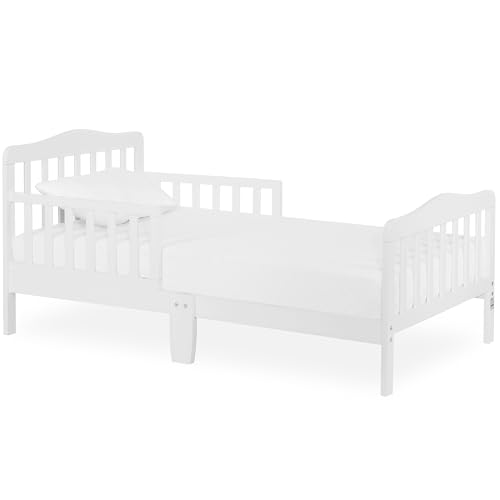
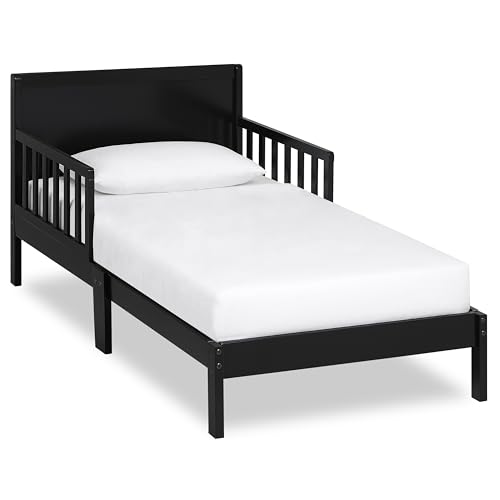
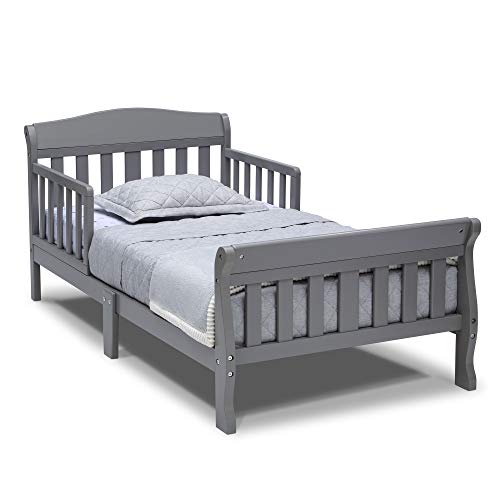
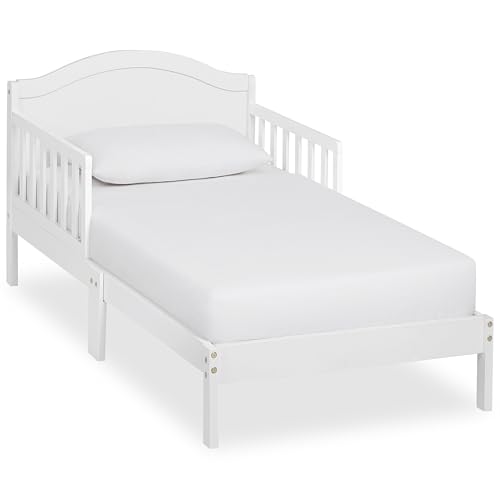
Toddler Beds: The Complete Buying Guide
Everything you need to know before transitioning your little one from a crib to a toddler bed — safety features, bed styles, size considerations, and practical tips for a smooth change.
Explore the GuideWhy a Toddler Bed Matters: Moving from a crib to a toddler bed is a major milestone for both child and parent. The right bed supports safe independence, encourages healthy sleep habits, and fits naturally into your child's bedroom. This guide walks you through every decision — from when to transition to which frame style and safety certifications to look for — so you can choose with confidence.
When Should You Transition to a Toddler Bed?
Most children make the switch between 18 months and 3 years old, but readiness matters more than age. Watch for these signs that your child may be ready:
- Your child is climbing out of the crib or attempting to — a safety signal that the crib no longer contains them.
- They show interest in "big kid" beds and express curiosity about sleeping independently.
- Their height approaches the crib manufacturer's recommended maximum (often around 35 inches).
- They can follow simple instructions and understand the idea of staying in bed until morning.
- They have outgrown the crib mattress or are consistently uncomfortable at night.
If your child is still sleeping soundly and safely in a crib, there is no rush. A calm, well-timed transition reduces nighttime disruptions and helps your child feel secure in their new sleep space. For families also considering room layout changes, our guide to small bunk beds offers ideas for maximizing shared or compact spaces.
Key Factors When Choosing a Toddler Bed
Safety Standards & Certifications
Look for beds that meet current safety standards, including sturdy guardrails, rounded edges, and non-toxic finishes. A low-to-the-ground profile reduces fall risk and makes it easy for your child to climb in and out safely.
Mattress Compatibility
Toddler beds typically use a standard crib-size mattress. Ensure the mattress fits snugly with no gaps — a firm, flat surface is essential for safe sleep. Many crib mattresses convert directly, which keeps things simple.
Frame Material & Durability
Solid wood and high-grade engineered wood offer durable construction that withstands energetic toddlers. Metal frames can also work well, but check for smooth, burr-free joints and secure hardware. Heavy-duty builds are worth considering if the bed will be passed down.
Style & Bedroom Fit
Choose a style that fits your child's room — from simple platform designs to playful themed frames. Consider the footprint carefully in smaller rooms. If you're planning a full room refresh, explore children's beds with trundle for extra sleep space during sleepovers.
Guardrails & Bed Height
Removable or built-in guardrails prevent rolling out during the early transition months. A low mattress height makes the bed approachable and reduces the distance of any fall. Some frames include both features, making them a strong pick for first-time toddler bed users.
Storage & Space-Saving
Under-bed storage or built-in drawers help keep toys and bedding organized. In compact rooms, a storage-friendly design can eliminate the need for a separate dresser. Our children's beds with desk collection shows how sleep and study zones can share one footprint.
Toddler Bed Tiers Compared
Toddler beds fall into a few broad categories based on construction quality, features, and intended lifespan. Use this tier comparison to match a bed to your family's needs — without getting lost in specifications.
| Tier | Best For | Typical Characteristics |
|---|---|---|
| Essential Tier | First-time transitions on a focused scope | Simple platform or low-profile frame, basic guardrail, lightweight build. Good value for its tier and easy to move between rooms. |
| Mid-Range | Families wanting durability and style | Solid wood or reinforced engineered wood, removable guardrails, smooth finishes, and a design that blends with nursery-to-kid-room decor. |
| Premium | Long-term use and hand-me-down potential | Hardwood construction, convertible or extendable designs, premium materials, and thoughtful safety detailing. A solid long-term investment. |
| Specialty / Themed | Playful bedrooms and specific room layouts | House-shaped, character, or canopy-style frames; sometimes paired with storage or trundle units. Feature-rich for its class. |
If you're weighing a toddler bed against other kid-friendly options, our overview of twin size storage beds can help you plan for the next stage, and solid wood twin beds are a natural upgrade once your child outgrows the toddler frame.
Toddler Bed Safety Checklist
Before your child sleeps in a new bed, run through this checklist to confirm a safe setup:
- Guardrails are securely attached and cover at least the upper half of the bed on open sides.
- The mattress fits tightly with no more than a finger-width gap around the edges.
- All screws, bolts, and brackets are tightened, and the frame does not wobble.
- The bed is placed away from windows, blinds cords, radiators, and heavy furniture that could tip.
- Edges and corners are rounded or padded, and finishes are non-toxic and child-safe.
- A soft rug or mat sits beside the bed to cushion any nighttime tumbles.
- The bed meets recognized safety standards and comes with clear assembly instructions.
Tips for a Smooth Transition
Introduce the Bed Gradually
Set up the toddler bed a week or two before the switch and let your child play on it, read on it, and help arrange pillows. Familiarity reduces anxiety on the first night.
Keep the Routine Consistent
Maintain the same bedtime routine — bath, story, lights out — to signal that the new bed is still part of a familiar, safe wind-down. Consistency is the strongest tool you have.
Use a Night Light & Monitor
A dim night light helps your child feel secure, and a baby monitor lets you check in without entering the room. Position both away from the bed to avoid cord hazards.
Childproof the Surrounding Room
Since your child can now get out of bed independently, secure furniture to walls, cover outlet sockets, and remove tripping hazards. The whole room becomes part of the sleep environment.
Planning the Rest of the Bedroom
A toddler bed is often the first step in a larger bedroom refresh. If you're furnishing a shared room or preparing for siblings, consider how different bed styles work together. Families with limited floor space frequently pair a toddler bed with short bunk beds for small rooms or explore daybeds with storage that double as seating during the day. For growing children who need a study corner, loft beds with desk illustrate how vertical space can be used efficiently — a principle that applies to kids' rooms too.
Frequently Asked Questions
What age is right for a toddler bed?
Most children transition between 18 months and 3 years, but readiness signs matter more than age. If your child is climbing out of the crib or approaching the crib's height limit, it's time to consider a toddler bed.
Can I use my crib mattress in a toddler bed?
Yes — most toddler beds are designed to fit a standard crib-size mattress. Just confirm the mattress fits snugly with no gaps, since a firm, well-fitted surface is essential for safe sleep.
Do toddler beds need guardrails?
Guardrails are strongly recommended, especially in the first months of the transition. They prevent rolling out of bed and help your child feel secure. Many toddler beds include removable guardrails.
How long does a toddler bed last?
Most children use a toddler bed for roughly one to three years before moving to a twin or full-size bed. Premium solid wood frames often hold up well enough to be passed down to younger siblings.
What should I look for in a safe toddler bed?
Prioritize sturdy construction, rounded edges, secure guardrails, non-toxic finishes, and a snug mattress fit. Check that the bed meets recognized safety standards and that all hardware tightens securely.
Should I choose a themed toddler bed?
Themed beds can make the transition exciting for your child, but focus on safety and build quality first. A well-built simple frame with a few personal touches often works just as well as an elaborate design.