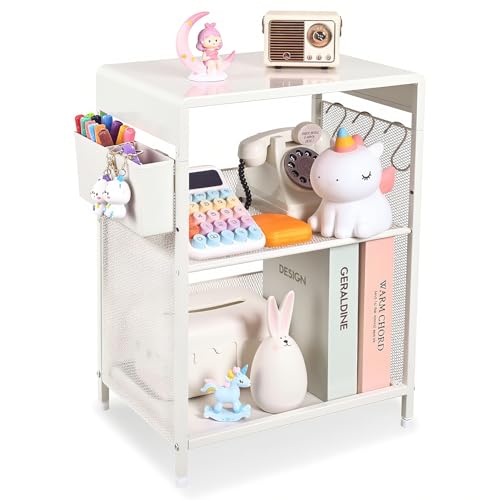
Children's White Bedside Table: The Complete Buying Guide
Everything parents need to choose a safe, stylish, and practical white bedside table for a child's bedroom.
START THE GUIDEWhy a bedside table matters for children: A well-chosen bedside table gives kids a place for a nightlight, a favorite book, and a glass of water — while teaching them to keep their own space organized. For parents who have already shortlisted a white bedside table design, this guide answers the remaining questions: which materials hold up to daily use, which safety features are non-negotiable, and how to match the table to the bed and the room.
Why Choose a White Bedside Table for a Child's Room?
White furniture has long been a favorite in children's bedrooms for practical and aesthetic reasons. A white finish reflects light, which helps small rooms feel brighter and more open. It also pairs easily with almost any color scheme, so the table can stay in place while walls, bedding, and accessories change as the child grows.
Beyond looks, a dedicated bedside table serves a real developmental purpose. It gives children a defined spot for their belongings and encourages responsibility. Rather than tossing a book or a nightlight on the floor, a child learns to return items to the table each evening. That small routine supports tidiness habits that carry into later childhood.
Practical Benefits at a Glance
- Light and airy feel: White surfaces make compact rooms look larger and more welcoming.
- Versatile styling: Works with pastel themes, neutral palettes, and bold accent colors alike.
- Easy to refresh: A white table can be repainted or accented with new hardware as tastes change.
- Encourages independence: A reachable surface for a nightlight, book, or water cup builds bedtime routines.
- Long service life: Classic white designs transition easily from a toddler's room to a school-age bedroom.
Editor's note: If you are still mapping out the full room, our guides to children's bedside tables and children's beds cover complementary pieces so the furniture set feels cohesive from the start.
Key Features to Evaluate Before You Buy
Because a child's bedside table is used every single day, small design details matter more than they would in an adult's room. The checklist below covers the factors that most often separate a table that lasts from one that disappoints after a few months.
1. Safety Comes First
Look for rounded or beveled edges, since children move quickly and bump into furniture often. A stable base and a low center of gravity reduce the risk of tipping. Most importantly, choose a model that includes an anti-tip strap or wall anchor, and use it. Drawers should have stops so they cannot be pulled completely out and dropped on small feet.
2. Height and Reach
The ideal height places the table top roughly level with the mattress so a child can reach a book or a nightlight without stretching. A table that is too tall invites climbing; one that is too short is frustrating to use. Measure the mattress height before shopping, and keep the table within a couple of inches of that level.
3. Storage That Suits the Child's Age
Younger children benefit from a single open shelf or one large drawer that is simple to operate. Older children can handle two drawers or a combination of a drawer and an open cubby. Avoid tiny compartments that are hard to clean and easy to clutter.
4. Material and Finish
Painted solid wood, engineered wood with a sealed finish, and laminate all work well. The key is a sealed, smooth surface that wipes clean and resists stains from crayons, juice, and craft supplies. Confirm that any paint or finish is labeled low-VOC or water-based, which is a sensible choice for a child's sleeping space.
5. Footprint and Weight
A compact footprint of roughly 18 to 24 inches wide fits comfortably beside most children's beds without crowding the walking path. The table should be heavy enough to feel solid but not so heavy that it becomes a hazard if it does tip.
Quick check: Tip the display model gently in the store or read the product manual online. If a table includes a wall anchor and drawer stops, that is a strong signal of thoughtful design for families.
Popular Styles of Children's White Bedside Tables
White bedside tables come in several broad design families. Each has strengths depending on the child's age, the room layout, and the overall decor theme.
Classic Nightstand with Drawer
The most traditional option: a single drawer over an open shelf, often with simple knobs. It suits almost any room and offers a balance of hidden and visible storage. A solid pick for children moving out of a toddler bed into a full-size bed.
Open-Shelf Table
A table with one or two open shelves and no drawers. Easier for very young children to use independently, and simple to wipe clean. Best for toddlers and preschoolers who are just learning to keep items in one place.
Compact Cube or Caddy Style
Small, low-profile designs that fit tight spaces between a bed and a wall. Often lighter and easier to reposition. A good match for small rooms and for families who rearrange furniture often. If space is truly tight, pair a compact table with a bed designed for small rooms — our guide to children's beds for small rooms covers layout ideas.
Theme and Accent Designs
White tables with subtle painted accents, colored handles, or shaped panels add personality without overwhelming the room. These work well in themed bedrooms and are easy to update later by swapping hardware. For a broader look at coordinating pieces, see our collection of children's bedroom furniture guides.
| Style | Best For | Tier |
|---|---|---|
| Classic nightstand with drawer | School-age children who need hidden storage | Balanced tier |
| Open-shelf table | Toddlers and preschoolers learning independence | Essential tier |
| Compact cube or caddy | Small rooms and flexible layouts | Starter tier |
| Themed or accent design | Coordinated bedroom themes and older children | Mid-range tier |
How to Match the Table to the Bed and the Room
A bedside table works best when it feels like part of the room rather than an afterthought. Start with the bed, since it dominates the visual space and sets the height the table must match.
Height Coordination
Measure from the floor to the top of the mattress, then choose a table whose top sits within a few inches of that line. If the bed is a loft or bunk design, check whether a freestanding table fits safely beside it or whether a wall-mounted shelf is the better option. Our guide to bunk bed furniture setups covers safe accessory placement.
Style Harmony
White is forgiving, but the style should still connect to the rest of the room. A clean-lined modern table suits a minimalist scheme; a table with gentle curves pairs well with classic or cottage-style beds. If the bed has a painted or natural wood finish, a white table can act as a crisp accent rather than a perfect match.
Color and Texture Balance
White furniture anchors a room and lets bedding do the talking. A white bedside table next to colorful bedding — for example, a colorful bedside table alternative in a bright room — keeps the overall effect calm rather than chaotic. Textured finishes such as matte paint or subtle wood grain under white stain add warmth.
Room Layout Tips
- Leave at least 24 inches of clear walking space between the table and the nearest wall or doorway.
- Place the table on the side of the bed nearest the door for easy access at night.
- Keep the top surface mostly clear so it stays usable; use a small basket for loose items.
- If the room is shared by two children, consider two matching compact tables rather than one large one.
Safety Checklist: What Parents Must Verify
Furniture tip-over incidents are preventable, and the fix is almost always simple. Use this checklist every time you bring a new bedside table into a child's room.
Before Assembly
- Confirm the package includes an anti-tip strap and hardware.
- Read the assembly instructions fully and check that all screws and brackets are present.
- Inspect edges and corners for sharp points or rough finishes.
During and After Assembly
- Anchor the table to the wall stud whenever possible, not just to drywall.
- Tighten all fasteners firmly; re-check them after the first week of use.
- Verify that drawers slide smoothly and stop before coming fully out.
- Keep heavy items on the lowest shelf or in the bottom drawer.
- Re-check the anchor monthly, especially if the child climbs or leans on the table.
Non-toxic finishes: When possible, select a table with a water-based, low-VOC finish. This is a reasonable precaution for any furniture placed in a child's sleeping environment. Always allow new furniture to air out before placing it beside the bed.
Organizing a Child's Bedside Table
A bedside table stays useful only if it stays organized. A few simple habits make a big difference.
Keep It Minimal
A nightlight, one or two books, and a small water bottle are enough. Too many items turn the surface into a clutter trap and make cleaning harder.
Use Small Containers
A shallow basket or a small drawer organizer keeps loose items such as hair ties, small toys, or a flashlight in one place. Choose containers with smooth edges and no small removable parts for younger children.
Rotate Books
Swap the books on the bedside table every week or two. This keeps the selection fresh and prevents a pile from building up.
Involve the Child
Let children decide where their nightlight and favorite book go. Ownership makes them far more likely to keep the table tidy without reminders.
Materials and Durability: What Lasts
A bedside table in a child's room takes more wear than almost any other piece of furniture. Here is how common materials compare.
| Material | Durability | Best For | Tier |
|---|---|---|---|
| Painted solid wood | Excellent; can be sanded and repainted | Long-term use and rooms that may be restyled | Premium tier |
| Engineered wood with sealed finish | Good; resists warping when kept dry | Most family bedrooms and everyday use | Balanced tier |
| Laminate over particle board | Good surface durability; edges need care | High-traffic rooms and simple cleaning | Essential tier |
| Metal frame with white finish | Very durable; powder coating resists chipping | Modern and minimalist room themes | Mid-range tier |
Whichever material you choose, check that the finish is sealed on all exposed surfaces, including the underside and the inside of drawers. Sealed edges resist moisture and make routine cleaning much easier.
A Simple Decision Framework for Parents
If you have already narrowed the choice to a few white bedside tables, use this short framework to make the final call.
- Start with safety: Eliminate any model without an anti-tip strap or with sharp edges.
- Measure height and footprint: Confirm the top sits near mattress height and the base fits the available floor space.
- Match storage to age: Open shelf for toddlers, drawer plus shelf for school-age children.
- Check the finish: Choose a sealed, easy-to-clean surface with a low-VOC claim if available.
- Confirm style harmony: Make sure the table connects visually to the bed and the room's palette.
- Plan the anchor: Decide in advance where the table will sit and how it will be secured to the wall.
For families furnishing an entire room, coordinating the bedside table with the bed frame and storage pieces creates a calmer, more cohesive space. Our overview of children's bedside tables pairs well with this guide when you are ready to compare specific designs.
Ready to Shortlist Your White Bedside Table?
Browse a curated selection of children's white bedside tables and compare safety features, storage layouts, and finishes side by side.
EXPLORE OPTIONSFrequently Asked Questions
What should I look for in a children's white bedside table?
Focus on safety features such as rounded corners, non-toxic finishes, sturdy construction, and tip-over restraints. Also consider height, storage capacity, and easy-to-clean surfaces.
How do I prevent a bedside table from tipping over in a child's room?
Always use the anti-tip strap or wall anchor provided with the furniture. Avoid placing heavy items on top shelves, and check that drawers do not all open at once.
What size bedside table is appropriate for a child?
The table top should be roughly level with the child's mattress height so they can reach items comfortably. A compact footprint of about 18 to 24 inches wide works well in most children's rooms.
Are white bedside tables easy to keep clean in a kids room?
Yes. Choose models with a smooth, sealed finish such as painted wood or laminate. These wipe clean easily, and scuffs can often be removed with a damp cloth or a mild melamine sponge.
Can a children's bedside table be used beyond childhood?
Absolutely. A well-built white bedside table in a classic or minimalist design can transition from a child's bedroom to a guest room or study as the child grows.