Danish Modern Bedside Tables: The Complete Buying Guide
Clean lines, warm wood tones, and honest craftsmanship — Danish modern bedside tables bring calm functionality to your bedroom. This guide walks you through design principles, materials, sizing, and styling so you can choose a nightstand that fits both your space and your sleep routine.
Jump to Buying ChecklistWhat Is Danish Modern Design?
Danish modern is a design movement that emerged in Denmark during the mid-20th century, rooted in the philosophy that everyday objects should be both beautiful and useful. It favors clean silhouettes, organic curves, and a deep respect for natural materials. For bedroom furniture, this translates into bedside tables with slim tapered legs, subtle wood grain, and uncluttered surfaces.
Unlike ornamental nightstands, Danish modern pieces emphasize proportion and craftsmanship over decoration. Drawers often sit flush, edges are softly rounded, and handles are either integrated or deliberately minimal. The result is a nightstand that feels calm rather than busy — an important quality in a room designed for rest.
This design language pairs naturally with other Scandinavian-inspired elements, including cute bedside tables with playful accents and distressed wood bedside tables for a more rustic contrast. If you are still exploring broader bedroom layouts, our guide on different types of beds can help you match the right frame style.
Why Choose a Danish Modern Bedside Table?
A bedside table is one of the most-used surfaces in your home. You reach for it every night and every morning. Danish modern nightstands are designed around that daily interaction, combining ergonomic height with a footprint that does not overwhelm the room.
Key Benefits
- Visual calm: Minimal ornamentation reduces visual noise, which supports a restful bedroom atmosphere.
- Space efficiency: Slim profiles and open bases make them suitable for compact bedrooms and apartments.
- Timeless appeal: Classic proportions mean the piece will not look dated after a trend cycle.
- Material honesty: Solid wood and veneer finishes showcase natural grain rather than hiding it.
- Versatility: Works equally well beside a platform bed, an upholstered frame, or a dark wood bedstead.
If your bedroom leans toward a softer, more decorative aesthetic, Danish modern tables can still fit — they simply provide a quiet anchor. Pair them with patterned bedding or a statement lamp to introduce personality without losing the minimalist foundation.
Materials & Finishes
The material choice affects durability, visual warmth, and how the piece ages. Danish modern furniture traditionally relies on woods that are plentiful in Northern Europe and finishes that protect without masking grain.
Oak
Light, durable, and widely available. Oak offers a bright Scandinavian look with visible grain that adds texture without heaviness.
Walnut
Warmer and darker than oak, walnut brings depth and contrast. It works well in rooms with neutral walls and natural textiles.
Ash
Similar to oak but often with a more pronounced grain pattern. Ash is resilient and takes light finishes beautifully.
Teak
A mid-century favorite with a golden-brown tone. Teak is naturally resistant to moisture and develops a rich patina over time.
Solid Wood vs. Veneer
Many high-quality Danish modern nightstands use a solid wood frame combined with veneered panels. This is not a compromise — veneer allows for stable, large surfaces while keeping the piece lighter. Look for consistent grain alignment and smooth edges as signs of careful construction.
Finishes are typically matte or satin, using oils, lacquers, or water-based coatings. Matte finishes feel more natural and hide fingerprints better, while satin finishes offer slightly more protection. Avoid high-gloss surfaces if you want to preserve the understated Danish aesthetic.
| Material | Tone | Durability | Best For |
|---|---|---|---|
| Oak | Light to medium | High | Bright, airy bedrooms |
| Walnut | Medium to dark | High | Warm, moody interiors |
| Ash | Light | High | Scandinavian minimalism |
| Teak | Golden brown | Very high | Mid-century-inspired rooms |
Sizing & Proportion Guide
Getting the size right is just as important as choosing the right style. A nightstand that is too tall or too wide will feel awkward every time you use it. Use the following guidelines as a starting point, then adjust for your specific bed and room dimensions.
Height
The top of the nightstand should sit within a few inches of your mattress top. If the table is significantly lower, reaching for a glass of water or your phone becomes uncomfortable; if it is much higher, the surface can feel disconnected from the bed.
Width and Depth
For a balanced look, aim for a table width roughly one-third to one-half the width of your bed. Depth should leave enough room for a lamp and a book without crowding your walking path. In compact rooms, a shallow depth of around 14 to 16 inches often works well.
Clearance
Leave at least a few inches between the nightstand and the wall for ventilation and easier cleaning. If your bed frame has a tall headboard, make sure the nightstand does not visually compete with it.
Pairing With Different Bed Sizes
- Twin bed: A single compact nightstand often works best; avoid pairing two wide tables that crowd the frame.
- Full bed: One medium-width table per side or a single table on the side with more clearance.
- Queen bed: Two matching nightstands create symmetry; keep each table proportional to the frame.
- King bed: Wider tables help balance the visual weight of a large bed, but leave enough room for bedside access.
Storage Configurations
Danish modern nightstands come in several storage layouts. The right choice depends on what you keep within arm's reach at night and how much clutter you want to conceal.
Single Drawer
The most common configuration. A single drawer keeps essentials hidden while the top surface stays available for a lamp, a book, or a small tray. Look for soft-close runners and dovetail joints as indicators of mid-range to premium construction.
Open Shelf
An open lower shelf creates visual lightness and is ideal for stacked books or a small basket. Open designs are excellent in small rooms because they do not add visual bulk.
Two-Drawer
Two drawers offer more organization but add height and visual weight. This layout suits larger bedrooms and king-size beds where a more substantial nightstand feels proportionate.
Floating or Wall-Mounted
Wall-mounted nightstands free up floor space and make cleaning easier. They work especially well in compact bedrooms and pair nicely with platform beds. If you are furnishing a small room, our guide on custom made beds for small rooms offers additional layout ideas.
| Configuration | Best For | Space Efficiency |
|---|---|---|
| Single drawer | Most bedrooms | High |
| Open shelf | Small rooms, display | Very high |
| Two-drawer | Large bedrooms | Moderate |
| Floating / wall-mounted | Compact spaces | Very high |
Styling & Placement Tips
Danish modern design rewards restraint. The goal is not an empty surface, but a curated one — a few functional objects that look intentional together.
Keep the Surface Light
Limit the top surface to two or three items: a lamp, a small tray for personal items, and perhaps one book. Too many objects undermine the calm that makes this style work.
Choose a Complementary Lamp
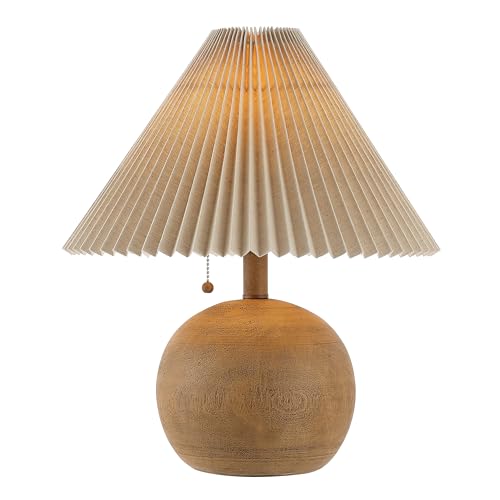
A simple ceramic or metal lamp with a linen shade fits the aesthetic. Avoid oversized shades that dominate the table or compete with the headboard. Warm, diffused light supports the wind-down routine before sleep.
Use a Tray or Dish
A shallow wooden or ceramic tray corrals small items like glasses, a watch, or a phone. This keeps the surface visually organized and makes cleaning easier.
Balance the Pair
If you use two nightstands, keep styling similar but not identical. A slightly different lamp or a different book stack adds personality without breaking symmetry.
For more styling inspiration across different bedside styles, explore our collection of cute bedside tables and distressed white bedside tables to see how materials and finishes change the mood of a room.
Common Mistakes to Avoid
- Ignoring mattress height: The most frequent mistake. A nightstand that is too low or too high becomes uncomfortable daily.
- Overcrowding the surface: Danish modern style depends on visual calm. Resist the urge to fill every inch.
- Choosing style over stability: Slim legs are a hallmark of the style, but the piece should still feel solid. Check for wobble and weight distribution.
- Mismatching wood tones: If your bed frame has a strong wood tone, choose a nightstand that complements rather than clashes. Mixed tones can work, but they require intention.
- Skimping on drawer hardware: Cheap runners wear out quickly. Soft-close mechanisms and solid joints extend the life of the piece.
- Forgetting cable management: If you charge devices at night, plan for where cables will run. A small hole or a tray can prevent clutter.
Buying Checklist
Use this checklist before finalizing your choice. It covers the practical and aesthetic factors that matter most.
- Measure your mattress height and confirm the nightstand top sits within a few inches.
- Check the footprint against your available floor space and walking path.
- Confirm the wood or veneer finish matches your bedroom's existing tones.
- Inspect drawer runners and joints if shopping in person.
- Decide whether you need closed storage or prefer an open shelf.
- Consider wall-mounted options if floor space is limited.
- Verify the piece is stable and does not wobble.
- Plan where cables and chargers will go.
- Check the return policy and assembly requirements.
- Read verified customer reviews for durability feedback.
If you are furnishing a full bedroom, you may also want to explore dresser and bedside table sets for a coordinated look, or dresser bedside table sets if you prefer matching finishes across the room.
Frequently Asked Questions
What defines a Danish modern bedside table?
Danish modern bedside tables are characterized by clean lines, functional minimalism, tapered legs, natural wood tones, and honest materials. They prioritize craftsmanship and everyday usability over ornamentation.
What size bedside table pairs best with a queen or king bed?
A nightstand height within a few inches of your mattress top works best ergonomically. For width, aim for a table roughly one-third to one-half the width of your bed so the pair feels balanced without crowding the room.
Which wood finishes are typical for Danish modern nightstands?
Walnut, oak, ash, and teak tones are classic. Light oak and ash lend a bright Scandinavian feel, while walnut adds warmth and contrast. Many pieces combine solid wood frames with veneered panels for stability.
Do Danish modern bedside tables work in small bedrooms?
Yes. Their slim profiles, open bases, and wall-friendly shapes make them well suited to compact rooms. Consider single-drawer or open-shelf designs and floating or wall-mounted versions to preserve floor space.
Should both nightstands match exactly?
Matching pairs create symmetry and a calm look, which suits the Danish modern aesthetic. However, intentional mismatching — such as two tables in the same wood tone but different configurations — can add personality while still feeling cohesive.
Ready to Choose Your Danish Modern Bedside Table?
Browse our recommended selection below to compare styles, storage configurations, and finishes. Each option is chosen for its balance of craftsmanship, proportion, and everyday usability.
View Recommended Nightstands