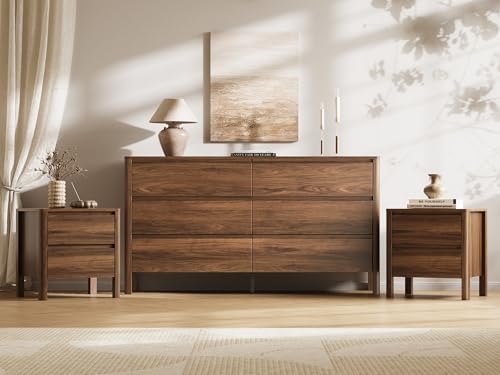
Dresser and Bedside Table Set: The Complete Buying Guide
A coordinated dresser and bedside table set transforms a bedroom from a collection of mismatched pieces into a polished, functional retreat. Learn how to choose the right pairing for your space, style, and storage needs.
EXPLORE THE GUIDEWhy a coordinated set matters: A matching dresser and bedside table set delivers visual harmony, consistent craftsmanship, and a unified storage strategy. Instead of hunting for individual pieces that may not align in height, finish, or hardware, a set removes the guesswork and helps you furnish a bedroom efficiently and confidently.
What to Look for in a Dresser and Bedside Table Set
Buying bedroom furniture as a set is about more than aesthetics. The right pairing should serve your daily routine, fit your room's dimensions, and hold up to years of use. Before browsing, understand the four criteria that separate a well-specified set from a merely attractive one.
Proportional Harmony
The dresser and bedside table should share a design language — matching hardware, leg profiles, and finish — while remaining appropriately scaled. A tall chest paired with a low nightstand can feel unbalanced; a set is engineered to avoid that.
Drawer Mechanics
Look for metal-on-metal drawer glides, dovetail or reinforced box joints, and smooth self-closing action. Entry-level sets often use stapled joints and basic runners, while premium tiers feature soft-close mechanisms and solid wood drawer boxes.
Material Integrity
Solid wood, high-grade engineered wood, and veneered panels each have trade-offs. Solid hardwood frames resist warping and last decades; quality veneers over stable cores deliver a flat, uniform surface with strong durability at a mid-range position.
Storage Fit
Map your actual wardrobe volume before choosing drawer counts. A six-drawer dresser suits a primary bedroom, while a four-drawer model with a deep top drawer works well for guest rooms. The bedside table should hold essentials without crowding the sleep zone.
Dresser Types Explained
The dresser is the anchor of the set. Its size and configuration determine how much of the room's storage load it can carry. Understanding the main formats helps you match the right dresser to your bedroom layout.
Standard Double Dresser
A wide, low profile with two columns of drawers — typically six to eight in total. It offers a generous top surface for display and mirror placement, making it the most versatile choice for primary bedrooms. Pair it with a matching nightstand for a balanced, symmetrical bedside arrangement.
Tall Chest of Drawers
Vertical by design, a chest saves floor width in narrow rooms while stacking five to six drawers. It works best in compact bedrooms where wall length is limited. In a set, a chest is often paired with a slightly taller bedside table to preserve visual rhythm.
Combo Dresser with Mirror
Some sets include an integrated or attachable mirror, turning the dresser into a grooming station. This configuration suits rooms without a dedicated vanity and adds a decorative focal point. Verify the mirror attachment method — fixed brackets are more stable than leaner styles in high-traffic households.
Small-Space Dresser
Compact three- or four-drawer designs pair naturally with slim bedside tables. They are an excellent fit for guest rooms, dorm-style spaces, and apartments. If your room is tight, explore strategies for custom-made beds for small rooms to maximize the overall floor plan alongside your new set.
Choosing the Right Bedside Table
The bedside table is the most-used surface in the bedroom. It needs to hold a lamp, a book, a glass of water, and your phone without feeling cluttered. When it arrives as part of a matched set, the design decisions are already made for you — but the functional details still matter.
- Height alignment: The tabletop should sit level with or slightly below the mattress top. For most beds this means a height between 24 and 28 inches. Measure your specific mattress-and-frame combination before committing.
- Drawer versus open shelf: A single drawer hides small clutter and personal items; an open lower shelf keeps books and chargers within reach. Many premium sets combine both.
- Depth and clearance: Allow at least two inches between the bedside table and the wall for cords, and confirm that drawers can open fully without hitting the bed frame.
- Symmetry: If space permits, use two identical tables flanking the bed. A single table works on one side, but a pair creates a deliberate, hotel-like balance.
Style versatility matters too. A cute bedside table can soften a minimalist room, while a Danish modern bedside table brings clean lines and warm wood tones to a Scandinavian-inspired space. For a richer, moodier palette, a dark brown wood bedside table adds depth and pairs well with lighter bedding.
Matching the Set to Your Bedroom Style
A dresser and bedside table set should feel intentional within the wider room. The most successful pairings echo the bed frame, respect the room's proportions, and reinforce a single design direction.
Modern and Minimalist
Clean-lined sets with handleless drawers, floating tops, or slim metal legs suit contemporary bedrooms. Neutral finishes in white, ash, or matte charcoal keep the room calm. Pair with a low-profile platform bed to maintain an uncluttered horizon line.
Traditional and Transitional
Sets with framed drawer fronts, tapered legs, and classic metal pulls bring warmth and a sense of permanence. A dark wood bedstead anchors this look, while a distressed white bedside table introduces a relaxed, cottage-inspired variation.
Rustic and Organic
Live-edge tops, visible grain, and weathered finishes define rustic sets. Look for kiln-dried hardwood and sealed surfaces that resist moisture. A distressed wood bedside table complements a reclaimed-wood dresser beautifully and reinforces the natural theme.
Designer and Statement
For rooms that lean toward the dramatic, designer sets use lacquered finishes, sculptural handles, and bold proportions. If you are building a cohesive statement bedroom, our guide to designer beds explains how to balance a strong furniture set without overwhelming the space.
Sizing and Placement: Getting the Proportions Right
Even a beautiful set can feel wrong if it is poorly scaled for the room. Use these practical guidelines before ordering.
| Room Type | Recommended Dresser Format | Bedside Table Format | Placement Tip |
|---|---|---|---|
| Primary bedroom | Six- to eight-drawer double dresser | Two-drawer table with open shelf | Center on the longest free wall, leaving a walkway of at least 24 inches |
| Guest room | Four-drawer dresser or small chest | Single-drawer table | Keep one side of the bed open for easy access |
| Compact apartment | Three- or four-drawer narrow dresser | Slim table under 20 inches wide | Use vertical storage and wall-mounted lighting to free the tabletop |
| Shared kids' room | Two smaller dressers instead of one large unit | Compact table per bed | Anchor each dresser near its owner's bed for personal storage |
For rooms with irregular layouts, consider a DIY bedside table project to fill an awkward gap, or browse dedicated dressers to compare formats beyond the set you are considering. Small bedrooms also benefit from a dorm bedside shelf when floor space is at an absolute minimum.
Materials, Construction, and Quality Tiers
Bedroom furniture is classified by construction quality more than any single material. Use these tiers to calibrate expectations as you compare sets.
Essential Tier
Engineered wood panels with laminated finishes, stapled or glued drawer boxes, and basic side-mounted runners. Suitable for guest rooms and short-term setups; expect a lighter build and simpler hardware.
Balanced Tier
Veneered or solid-wood frames with reinforced joints, metal ball-bearing glides, and durable factory finishes. This tier delivers the best balance of longevity and refined detailing for most households.
High-End Tier
Solid hardwood construction, dovetail drawer boxes, soft-close under-mount glides, and hand-finished surfaces. These sets are a long-term investment designed to withstand daily use for decades.
Flagship Tier
Bespoke joinery, premium hardwoods, custom hardware, and artisan finishes. Flagship sets are statement pieces with heirloom-grade construction, often made to order in coordinated collections.
Regardless of tier, inspect the drawer interior first. A smooth-gliding, well-jointed drawer box is the clearest sign of a set built to last. Finish quality matters too: a sealed, low-emission coating protects against humidity and everyday wear.
Coordinating the Set With the Rest of the Bedroom
A dresser and bedside table set is one layer of a complete bedroom composition. The strongest rooms repeat materials and tones across the bed, the storage pieces, and the accents.
If your bed frame is the visual centerpiece, echo its wood tone or metal finish in the set's hardware. If you are still choosing the bed, compare formats such as days beds or a double bedstead to see how each pairs with a coordinated dresser and nightstand. For children's rooms, the pairing works equally well alongside cute beds and compact storage.
Also consider the dresser's top surface as a styling opportunity. A lamp, a small tray for personal items, and one or two decorative objects are enough. Keeping the surface uncluttered preserves the calm that a matched set is meant to deliver.
A Practical Checklist Before You Order
- Measure the available wall length and note door and window clearances.
- Confirm the dresser depth allows drawers to open without blocking walkways.
- Check that the bedside table height aligns with your mattress surface.
- Verify drawer glide type and whether soft-close mechanisms are included.
- Review assembly requirements and whether the set ships with anti-tip hardware.
- Confirm the finish coordinates with your existing bed frame and flooring.
- Read care instructions for the finish, especially for solid wood surfaces.
Frequently Asked Questions
Should a dresser and bedside table set match the bed frame?
Matching the set to the bed frame creates a cohesive look, but you can also coordinate through complementary wood tones or finishes. A fully matched bedroom furniture collection delivers the most unified visual result.
What size dresser works best in a standard bedroom?
A six-drawer dresser around 60 inches wide suits most primary bedrooms, while four-drawer models fit smaller guest rooms. Measure your wall space and leave clearance for drawer pull-out before choosing.
Are dresser and bedside table sets worth buying together?
Buying a coordinated set simplifies styling and usually ensures consistent finish, hardware, and proportions. It is a smart approach for anyone furnishing a bedroom from scratch or refreshing a complete room.
What bedside table height pairs well with a standard bed?
A bedside table top should sit level with or slightly below the mattress surface, typically 24 to 28 inches high for most beds. Confirm the height against your specific mattress and frame combination.