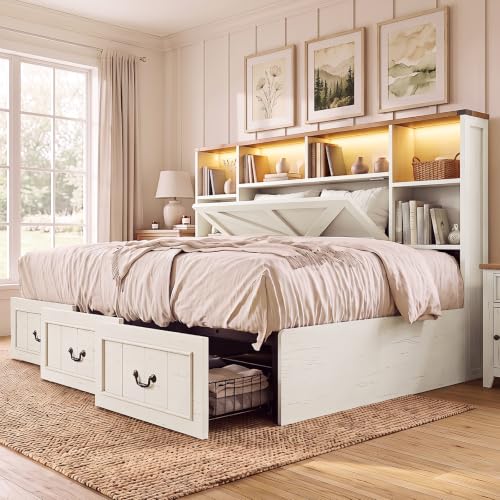
Daybeds with Storage: The Smart Space-Saving Bed
A daybed with storage turns one piece of furniture into a seat, a bed, and a hidden storage zone. Learn how to choose the right design for guest rooms, home offices, and compact apartments before you buy.
Explore the Buying GuideWhy daybeds with storage matter: In a small home, every square foot counts. A storage daybed keeps spare bedding, pillows, and seasonal items organized while giving you a comfortable spot to sit during the day and sleep at night. This guide explains the storage types, frame materials, sizing rules, and setup tips that help you make a confident purchase.
What Exactly Is a Daybed with Storage?
A daybed is a bed frame designed to serve double duty: it looks like a sofa or bench during the day and converts into a sleeping surface at night. When storage is built into the design, the frame includes drawers, compartments, or a pull-out section that hides away clutter.
Unlike a standard bed that occupies floor space with a single function, a storage daybed multiplies the usefulness of the same footprint. This is why it is a favorite in studio apartments, guest rooms, kids' rooms, and home offices that occasionally host overnight visitors.
Storage Types You Will Find on Daybeds
The storage mechanism changes how you use the bed and how much you can hide away. Here are the main configurations to compare:
| Storage Type | Best For | Key Consideration |
|---|---|---|
| Pull-out drawers | Storing bedding, pillows, and clothing | Requires clearance in front of the bed to open |
| Under-bed trundle compartment | Guest rooms that need an extra sleeping spot | Check mattress thickness limits for the trundle |
| Lift-up platform compartment | Hiding bulky items like blankets and luggage | Needs a lighter mattress for easy lifting |
| Open cubby shelves | Books, toys, and display items | Visible clutter if not styled carefully |
If your priority is sleeping capacity, a trundle daybed is the most practical. If your priority is organization, deep drawers are usually the better choice.
Frame Materials: Metal, Wood, and Upholstered
The frame material affects durability, style, and how the storage compartment is engineered. Most storage daybeds fall into one of three categories:
- Metal frames: Heavy-duty steel construction with a rust-proof finish is common. These are strong, relatively simple to assemble, and suit modern or industrial interiors.
- Wooden frames: Solid wood or engineered wood offers a warmer look. Wooden drawers tend to glide more quietly, and the frame can be painted or stained to match existing furniture.
- Upholstered frames: Fabric or faux-leather covers give a softer, sofa-like appearance. These are popular in living areas where the daybed doubles as seating.
For high-traffic guest rooms, a mid-range metal or solid wood frame usually delivers the best balance of durability and design flexibility. For a living room that needs a polished look, an upholstered storage daybed is often the better fit.
Sizing: Twin vs Full Daybeds
Most daybeds accept a twin mattress, which keeps the footprint compact and suits single sleepers. Full-size daybeds provide more sleeping width and are a better choice for couples or adults who want extra room.
Before ordering, measure the room and confirm the mattress thickness range the frame supports. A mattress that is too thick can make the daybed look bulky or prevent a lift-up compartment from closing properly. If you are comparing bed sizes across the room, the broader queen size beds guide explains how larger frames change layout planning.
Who Should Buy a Daybed with Storage?
A storage daybed makes the most sense in specific situations. Consider one if you recognize your space in the list below:
- Guest rooms: The bed seats visitors during the day and sleeps them at night, while drawers hold spare linens.
- Studio apartments: One piece of furniture covers lounging, sleeping, and storage without crowding the room.
- Home offices: The daybed doubles as a reading bench and an occasional guest bed.
- Kids' rooms: Drawers keep toys and clothes out of sight, and a trundle adds space for sleepovers.
If you need maximum sleeping capacity for larger groups, compare this format with dedicated bunk beds twin over full with storage, which stack two sleeping surfaces in a similar footprint.
Buying Checklist Before You Order
Use this checklist to avoid common mistakes when shopping for a storage daybed:
- Measure the room and confirm clearance for drawers to open fully.
- Verify the supported mattress size and maximum thickness.
- Check the weight capacity of the frame and the storage compartment.
- Confirm whether a trundle mattress is included or sold separately.
- Review the assembly requirements and required tools.
- Match the frame finish to existing furniture and flooring.
For complementary storage furniture, a small bedside chest of drawers can handle items that do not fit in the daybed compartments.
Comparing Daybed Tiers: Entry-Level to Luxury
Storage daybeds vary widely in build quality. Instead of focusing on numbers, compare the construction details that define each tier:
| Tier | Typical Build | Best For |
|---|---|---|
| Entry-level | Lightweight metal or engineered wood, basic drawer glides | Occasional guest use and starter apartments |
| Mid-range | Reinforced steel or solid wood, smoother drawer mechanisms | Everyday use in guest rooms and home offices |
| Premium | High-grade materials, upholstered finishes, precision hardware | Living areas where style and durability both matter |
| Luxury | Flagship construction, custom upholstery, integrated storage systems | Design-led interiors and long-term investment |
A mid-range model usually offers the best balance for most households, while premium and luxury tiers focus on finish quality and long-term durability.
Setup and Placement Tips
Placement affects both comfort and how usable the storage becomes. Keep these practical tips in mind:
- Leave at least 24 inches of clearance in front of drawers so they open without obstruction.
- Place the daybed against a wall to create a sofa-like backrest and free up floor space.
- Use a mattress protector to keep the sleeping surface fresh between guests.
- Rotate heavy items in deep drawers to avoid uneven wear on the glides.
- Anchor the frame if children will use the trundle regularly.
If you are furnishing a compact bedroom, pair the daybed with a small white bedside table with drawers to extend the storage plan without crowding the room.
Related Buying Guides
Frequently Asked Questions
What is the main advantage of a daybed with storage?
A daybed with storage combines seating, sleeping, and storage in a single footprint. This makes it ideal for guest rooms, small apartments, and multi-use spaces where floor area is limited.
What types of storage are available on daybeds?
Common storage options include pull-out drawers, under-bed trundle compartments, lift-up platform compartments, and open cubby shelves. Drawers are best for bedding, while trundles add an extra sleeping surface.
Do daybeds with storage require assembly?
Most daybeds with storage ship flat-packed and require assembly. Metal frames typically use bolts and brackets, while wooden frames may use cam-lock fittings. Assembly usually takes one to two hours with basic tools.
What mattress size fits a standard daybed?
Most daybeds accept a twin-size mattress, while larger designs may fit a full-size mattress. Always check the manufacturer's specified mattress dimensions and maximum thickness before buying.
Ready to Choose Your Storage Daybed?
Review the recommended options below, compare features, and confirm availability before you decide. Every model in the list is selected for practical storage and everyday comfort.
View Recommended Daybeds