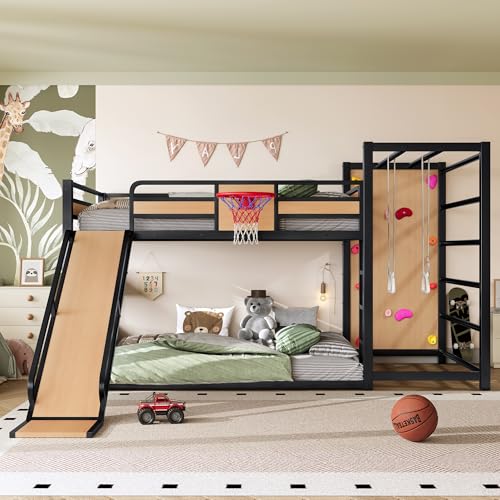
Full Slide Bed: The Complete Guide to Sliding Full-Size Beds
Understand how slide-out mechanisms work, what to check before buying, and how a full slide bed can unlock space and convenience in your bedroom.
JUMP TO BUYING CHECKLISTA full slide bed combines the generous footprint of a full-size sleeping surface with a sliding frame that moves the mattress platform outward on demand. For shoppers who already know they want a full bed but need better access, easier cleaning, or smarter use of a compact room, a slide mechanism can be the deciding feature. This guide explains the mechanics, the trade-offs, and the practical checks that separate a well-built slide bed from a frustrating one — so you can compare options with confidence before you commit.
Who a full slide bed suits
Ideal for smaller bedrooms, guest rooms, and multi-purpose spaces where the bed must move to free up floor area. Also helpful for people who find it awkward to reach the far side of a bed pushed into a corner.
Who should look elsewhere
Rooms with very tight clearance in front of the bed, or sleepers who prefer a completely fixed, rigid platform. Slide hardware adds moving parts that need periodic inspection.
What Is a Full Slide Bed?
A full slide bed is a full-size bed frame in which the mattress platform travels along rails or tracks, extending outward from the base. Unlike a trundle, which hides a secondary mattress underneath, a slide bed moves the primary sleeping surface. Some designs slide forward from a stationary headboard; others are wall-mounted and fold or glide away entirely. The common thread is a deliberate, guided motion that repositions the bed rather than a fixed frame you climb around.
If you are still deciding between full and larger sizes, our overview of full and double beds covers how the 54 by 75 inch footprint compares with queen and king options. Shoppers weighing extra sleeping capacity alongside slide functionality often cross-shop trundle beds, which add a second surface rather than moving the primary one.
How the Slide Mechanism Works
Most full slide beds rely on one of three mechanisms. Understanding the difference helps you match the bed to your room and your tolerance for moving parts.
| Mechanism | How It Moves | Best For | Watch Out For |
|---|---|---|---|
| Rail-and-glide platform | Platform slides forward on reinforced steel or hardwood rails while the base stays put | Everyday bedrooms, guest rooms | Rail alignment; confirm locking stops are present |
| Wall-mounted slide or fold | Bed stores vertically or against the wall and glides down or out for use | Studio apartments, home offices | Requires stud anchoring; check weight rating |
| Side-slide corner frame | Platform slides sideways to open access to the far side of the bed | Corner placements, shared rooms | Needs lateral clearance on one side |
Hardware quality varies significantly across the market. Entry-level models often use lighter rails and basic casters, while mid-range and premium frames add sealed bearings, soft-close dampers, and multi-point locks. If the bed will move daily, invest in the higher tier — the mechanism is the component most likely to determine how long the frame stays smooth.
Full Size, Sizing, and Room Clearance
A standard full mattress measures 54 inches wide by 75 inches long. The slide frame adds depth on at least one side, so the usable footprint of a full slide bed is larger than the mattress alone. Before ordering, measure three distances: the wall-to-obstruction distance in the direction of travel, the clearance needed for the platform to extend fully, and the walking path that remains when the bed is open.
Clearance quick reference
- Travel direction: the full platform length plus a walking gap in front of the frame.
- Side access: at least a comfortable step-width on the side you use to get in and out.
- Door swing: confirm the bed does not block a closet or entry door when extended.
- Ceiling height: only critical for wall-mounted or vertical-storage slide beds.
Small-room shoppers should also look at our guide to small bedroom decor for layout ideas that pair well with a movable bed. If extra storage is a priority, compare slide beds with trundle beds with storage, which trade motion for built-in drawers.
Quality Tiers: Entry-Level to Luxury
Because full slide beds span a wide range of build quality, it helps to classify them by tier rather than by any single specification. The table below describes what to expect at each level so you can judge whether a model is well-specified for its class.
| Tier | Typical Build | Best For | Notes |
|---|---|---|---|
| Entry-level | Basic rails, simple casters, painted metal or engineered wood | Occasional-use guest rooms | Good value for its tier; inspect hardware on arrival |
| Mid-range | Reinforced rails, sealed bearings, locking stops, mixed wood and metal | Primary bedrooms with regular movement | Balanced tier with smoother motion and better durability |
| Premium | Heavy-duty steel rails, soft-close dampers, solid hardwood or upholstered surround | Daily-use bedrooms, design-forward rooms | Well-specified for the category; long-term investment |
| Luxury | Custom joinery, concealed hardware, integrated lighting or charging | Custom builds and high-end interiors | Flagship tier; confirm lead times and installation support |
Advantages and Trade-Offs
Why shoppers choose a full slide bed
- Frees floor space when the bed is stowed or pushed back
- Makes changing sheets and cleaning under the bed easier
- Improves access in corner placements and shared rooms
- Full size suits couples, teens, and guest rooms without the bulk of a queen
- Can double as a daybed in multi-purpose rooms
Trade-offs to weigh
- Moving parts require periodic inspection and lubrication
- Needs clear travel space in front of the frame
- Weight capacity varies; heavier sleepers should check ratings
- Wall-mounted versions demand correct stud anchoring
- Some entry-level mechanisms feel less smooth over time
If you expect the bed to move several times a day, prioritize the mid-range tier or above. The incremental build quality shows up in smoother glides and more reliable locks, which matters more than cosmetic differences.
Choosing the Right Mattress for a Slide Bed
A full slide bed performs best with a mattress that matches the platform's support style. Innerspring and hybrid mattresses work well on slatted platforms with close spacing; all-foam mattresses are compatible with both slatted and solid platforms but benefit from a breathable base. Confirm the platform's weight limit and slat spacing in the product details, and check whether the frame includes a center support rail — many full-size frames do, and it extends mattress life.
If you are replacing an older mattress at the same time, our guide on when to replace a mattress outlines the signs that a new surface is due. Pairing the right mattress with the right frame is the single biggest factor in comfort, more so than the slide mechanism itself.
Safety, Installation, and Maintenance
Slide beds are safe when installed correctly, but the installation is where most problems originate. Follow the manufacturer's anchoring instructions precisely, especially for wall-mounted models. Use a stud finder and the supplied hardware; drywall anchors alone are not sufficient for a loaded bed. After assembly, test the slide motion with the mattress in place and confirm the locking stops engage at both ends of travel.
Maintenance schedule
- Monthly: check rail bolts and locking stops for looseness.
- Quarterly: clean tracks and apply manufacturer-approved lubricant if specified.
- Annually: inspect casters, bearings, and wall anchors; tighten as needed.
- As needed: vacuum under the platform to prevent debris from interfering with the glide.
For households with children, choose a model with a positive lock that cannot be released by accident, and avoid placing the bed where the extended platform blocks a doorway. If you are comparing frame styles more broadly, our collection of bed frames covers fixed alternatives that may suit a room where the slide travel would be impractical.
Buying Checklist
Before you order a full slide bed
- Measure the room in the direction the bed will travel and confirm full extension clearance.
- Confirm the frame accepts a standard 54 by 75 inch full mattress.
- Check the weight rating against mattress plus sleeper load.
- Verify the locking mechanism and whether it is single or multi-point.
- Review assembly requirements: tools, people needed, and wall anchoring.
- Confirm the return window and warranty terms for the slide hardware specifically.
- Read owner reviews for long-term feedback on glide smoothness and hardware wear.
- Decide whether you need integrated storage, a headboard, or a minimalist profile.
Ready to compare models?
Scroll to the recommended full slide bed selection below to review options by tier, features, and suitability for your room.
Frequently Asked Questions
What is a full slide bed?
A full slide bed is a full-size bed built on a sliding frame mechanism that allows the mattress platform to glide outward from the base or wall, making access, cleaning, and room reconfiguration easier.
Does a full slide bed fit a standard full mattress?
Most full slide beds are designed to accept a standard full-size mattress measuring 54 by 75 inches. Always confirm the platform dimensions and weight rating in the product specifications before pairing a mattress.
Are slide beds safe for daily use?
Yes, when properly installed. Choose models with locking mechanisms, reinforced rails, and a weight capacity that exceeds your mattress and sleeper load. Anchor wall-mounted versions into studs according to the manufacturer instructions.
How much clearance does a slide bed need?
Plan for at least the depth of the sliding platform plus a comfortable walking gap. For most full slide beds, allowing the full bed length in front of the unit ensures the platform can extend without obstruction.