Good Beds for Bad Backs: Find Relief & Restful Sleep
Discover the best mattresses, support systems, and sleep positions to alleviate back pain. Your journey to pain-free mornings starts here.
SHOP TOP PICKSDid you know? The right bed can reduce back pain by up to 40%. SleepWisePicks helps you choose the best mattress and bed frame for your specific needs. Say goodbye to morning stiffness and hello to restorative sleep.
Why the Right Bed Matters for Back Pain
Back pain is one of the most common health complaints, and your bed plays a crucial role in managing it. A good bed supports your spine's natural alignment, reduces pressure points, and ensures proper blood circulation. Whether you're a side sleeper, back sleeper, or stomach sleeper, the right mattress and bed frame can make all the difference.
When you sleep on an unsupportive mattress, your spine can curve unnaturally, leading to muscle strain and chronic pain. Conversely, a high-quality mattress that matches your body type and sleep style can alleviate existing pain and prevent future issues. That's why investing in a good bed for bad backs is one of the most impactful health decisions you can make.
Optimal Support
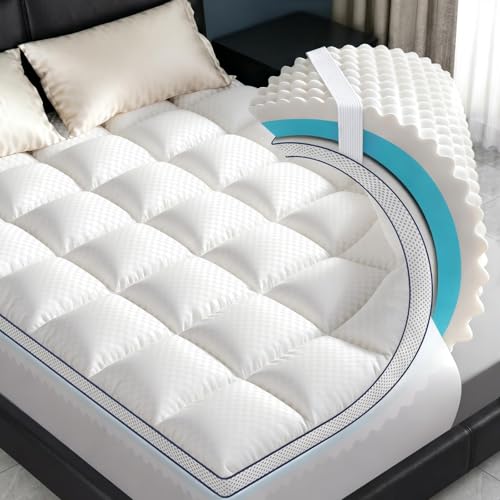
Look for mattresses with zoned support that contour to your body's curves while keeping your spine straight. Hybrid and memory foam models are excellent choices.
Pressure Relief
Pressure points at the hips, shoulders, and lower back can cause tossing and turning. Choose a mattress that evenly distributes your weight to reduce discomfort.
Durability & Longevity
A sagging mattress loses its support over time. Opt for high-density foams or durable innersprings that maintain their shape and support for years.
Temperature Regulation
Cooling gel-infused memory foam or breathable latex can help regulate your body temperature, so you stay comfortable and pain-free all night.
Best Mattress Types for Bad Backs
Not all mattresses are created equal. Here's a breakdown of the most effective mattress types for back pain relief:
- Memory Foam: Conforms to your body, providing excellent pressure relief and spinal alignment. Ideal for side sleepers.
- Hybrid: Combines innerspring support with foam comfort, offering a balanced feel. Great for combination sleepers.
- Latex: Naturally supportive and responsive, with minimal motion transfer. Excellent for back and stomach sleepers.
- Innerspring: Traditional and sturdy, with good airflow. Best for those who prefer a bouncy feel.
When choosing a mattress, consider your sleep position and body weight. For example, heavier individuals may benefit from a firmer mattress to prevent sagging, while lighter individuals might prefer a softer feel for pressure relief. Always test a mattress before committing, and look for generous trial periods.
Bed Frames That Support Your Back
A quality bed frame is just as important as the mattress. A sturdy frame with proper slats or a solid foundation prevents sagging and extends the life of your mattress. Adjustable bed frames are particularly beneficial for back pain sufferers, allowing you to elevate your head and feet to reduce pressure on your lower back.
Consider frames with built-in lumbar support or those designed to work seamlessly with your mattress type. If you're looking for a stylish and functional option, explore upholstered queen beds or wooden king-size beds that combine aesthetics with orthopedic support.
Sleep Positions for Back Pain Relief
Your sleep position significantly affects your spine's alignment. Here are the best positions for a bad back:
- Back Sleeping: The ideal position for spinal alignment. Use a pillow under your knees to reduce lower back strain.
- Side Sleeping: Place a pillow between your knees to keep your hips, pelvis, and spine aligned. Choose a mattress with good pressure relief.
- Stomach Sleeping: Generally not recommended for back pain, as it can strain the neck and spine. If you must, use a thin pillow and place one under your pelvis.
Combining the right mattress with the correct sleep position can dramatically reduce pain and improve sleep quality. For more tips, explore our sleep health guides and bedtime routines.
Additional Tips for a Back-Friendly Bedroom
Beyond the mattress and frame, small adjustments can enhance your sleep environment:
- Pillows: Use a cervical pillow for neck support or a body pillow for side sleeping. Check out our best pillows guide.
- Bedding: Soft, breathable sheets and comforters can reduce nighttime tossing. Consider high-quality bedspreads for extra comfort.
- Rugs: Placing a soft rug under your bed can make getting in and out of bed more comfortable, especially for those with foot or back pain. Learn more about placing rugs under beds.
- Lighting: Proper bedside lighting reduces eye strain and helps you relax before bed. Browse bedside lamps for a cozy ambiance.
Remember, consistency is key. Your body needs time to adjust to a new mattress or sleep position, so give yourself at least 30 days to experience the full benefits.
Your Journey to Pain-Free Sleep Starts Here
Investing in a good bed for your back is investing in your overall health and well-being. With the right mattress, bed frame, and sleep habits, you can wake up refreshed, energized, and free from pain. Use this guide to make an informed decision, and don't hesitate to explore our recommended products below.
For more insights, check out our complete mattress buying guide and different types of beds to find the perfect match for your needs. Your back will thank you.