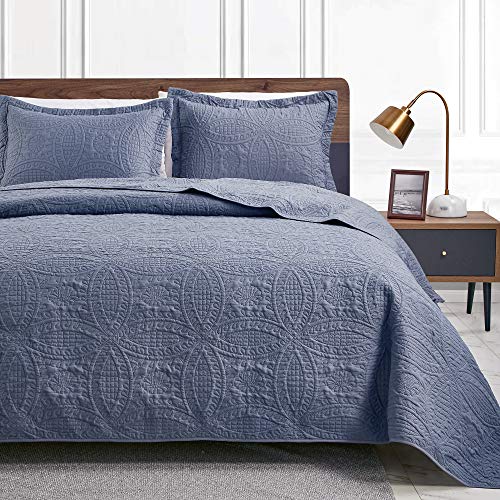
Why settle for ordinary bedding when your bedroom deserves excellence? High quality bedspreads are more than just decorative covers — they are an investment in comfort, durability, and the overall aesthetic of your personal retreat. Whether you are refreshing a master suite, preparing a guest room, or simply treating yourself to a well-deserved upgrade, understanding what separates a premium bedspread from an average one is essential.
In this comprehensive guide, we break down the materials, construction techniques, and design considerations that define top-tier bedspreads. You will learn how to evaluate thread count, weave density, and finishing details so you can make a confident, informed decision. By the end, you will know exactly what to look for when shopping for a bedspread that balances beauty, breathability, and long-term resilience.
What Makes a Bedspread High Quality?
Quality in bedding is not accidental — it is the result of deliberate material selection, precise manufacturing, and rigorous finishing. A high quality bedspread exhibits several key characteristics that distinguish it from entry-level offerings.
- Premium fibers: Long-staple cotton, European flax linen, mulberry silk, or high-grade wool provide superior softness and longevity compared to short-staple or synthetic blends.
- Dense, even weave: A tight and uniform weave prevents snagging, reduces pilling, and ensures the bedspread maintains its shape wash after wash.
- Reinforced stitching: Double-stitched seams, mitered corners, and secure hemming indicate careful craftsmanship and extend the product's lifespan.
- Colorfast dyes: High quality bedspreads retain their color through repeated washing and exposure to light, thanks to reactive or fiber-reactive dyeing processes.
- Breathability and weight: The best bedspreads feel substantial yet breathable, regulating temperature rather than trapping heat.
- Certifications: OEKO-TEX Standard 100 or GOTS organic certification signals that the textile has been tested for harmful substances and meets stringent safety standards.
Editor's Tip: When evaluating a bedspread, flip it over. The reverse side should be nearly as refined as the front. Irregular backings or loose threads are red flags for lower-tier construction.
Choosing the Right Material for Your Bedspread
The material of your bedspread dictates its feel, care requirements, and seasonal suitability. Here is a breakdown of the most common premium materials and what they offer.
100% Long-Staple Cotton
Soft, breathable, and durable. Long-staple cotton (such as Egyptian or Pima) produces a smoother, stronger yarn that resists pilling. Ideal for year-round use and easy home laundering.
European Flax Linen
Naturally temperature-regulating and moisture-wicking. Linen bedspreads have a relaxed, textured look that improves with age. They are excellent for warm sleepers and warmer climates.
Mulberry Silk
Luxuriously smooth and hypoallergenic. Silk bedspreads offer a lustrous sheen and exceptional drape, but they require gentle care. Best suited for a top-tier, statement-making bedroom.
Merino Wool
Warm, breathable, and naturally odor-resistant. Wool bedspreads are perfect for colder months and provide a cozy, tailored appearance. They are a professional-grade choice for those who prioritize insulation.
Cotton-Linen Blend
Combines the softness of cotton with the texture and breathability of linen. Blends are often more resilient and wrinkle-resistant than pure linen, making them a practical mid-range or premium option.
Microfiber (High-Grade)
Modern high-grade microfiber can mimic the softness of natural fibers while offering stain resistance and easy care. Choose tightly woven, brushed microfiber from reputable brands for a solid entry-level or mid-tier option.
Understanding Market Tiers for Bedspreads
To help you navigate the market without referencing specific figures, we use a universal tier system. This classification reflects relative positioning based on materials, construction, and brand reputation.
| Tier | Typical Characteristics | Best For |
|---|---|---|
| Essential Tier | Blended fabrics, simpler weaves, basic hemming. Suitable for guest rooms or seasonal updates. | Occasional use, staging, or first-time buyers |
| Balanced Tier | Higher cotton content, tighter weave, reinforced seams, and a wider color palette. | Everyday use in primary bedrooms |
| Premium Tier | Long-staple cotton or linen, dense weaving, colorfast dyes, and certifications like OEKO-TEX. | Quality-focused households seeking longevity |
| Luxury / Top-Tier | Silk, organic linen, hand-finished details, designer collaborations, and exceptional drape. | Master suites, design-forward spaces, and gifting |
As you move up the tiers, you will notice improvements in softness, breathability, color retention, and stitching precision. A premium or luxury bedspread is a long-term investment that pays dividends in comfort and visual appeal.
Sizing and Fit: Getting the Drop Right
Even the most exquisite bedspread will look underwhelming if it does not fit properly. Follow these guidelines to ensure a tailored, elegant drape.
- Measure your mattress: Note the width, length, and depth (thickness). A thicker mattress requires a larger bedspread to achieve the desired drop.
- Decide on the drop: A traditional bedspread typically reaches near the floor, while a coverlet offers a shorter, more modern drop. For a classic look, aim for a drop that covers the mattress and box spring.
- Consider the bed frame: If you have a platform bed or a high bedstead, you may need a longer drop to conceal the frame or create a grounded look.
- Account for pillows: If you plan to tuck pillows under the bedspread, add extra length to your measurement.
For a guest room or a guest bed, a well-fitted bedspread instantly makes the space feel welcoming and polished.
Caring for High Quality Bedspreads
Proper care extends the life of your bedspread and preserves its premium hand-feel. Always defer to the manufacturer's care label, but here are general best practices for high quality textiles.
- Wash less frequently: High quality bedspreads can be aired out between washes. Spot-clean minor marks and launder every few weeks or as needed.
- Use gentle cycles: Cold or lukewarm water on a gentle cycle prevents fiber damage and color fading. Avoid bleach and harsh optical brighteners.
- Dry with care: Tumble dry on low heat or line dry. High heat can shrink natural fibers and weaken stitching.
- Store properly: When switching bedspreads seasonally, store them clean and folded in a breathable cotton bag. Avoid plastic bins, which can trap moisture.
- Professional cleaning: Silk, wool, and some linen bedspreads benefit from professional dry cleaning to maintain their finish and structure.
Integrating Bedspreads into Your Bedroom Design
A bedspread is a powerful design tool. It can anchor the room's color palette, add texture, or introduce a seasonal refresh. Here are a few ideas for using high quality bedspreads in different bedroom styles.
Modern Minimalist: Choose a solid-color linen or cotton bedspread in a neutral tone. Let the fabric's texture provide visual interest while keeping the overall look clean and uncluttered. Pair with a sleek grey bedstead for a cohesive, contemporary feel.
Classic Traditional: A quilted or matelassé bedspread in a rich hue adds depth and formality. Look for intricate stitching patterns and a generous drop that covers the bed frame. This style pairs beautifully with wooden furniture and layered bedding.
Bohemian or Eclectic: Explore textured weaves, fringed edges, or subtle patterns. A linen bedspread in a warm earth tone can serve as a versatile base for layered throws and decorative pillows. For a bolder statement, consider a green bedspread that brings a natural, calming vibe.
Seasonal Swap: Many households keep two bedspreads — a lightweight cotton or linen for warmer months and a wool or quilted option for cooler weather. This approach keeps the bed comfortable year-round and refreshes the room's look.
Common Mistakes to Avoid When Buying a Bedspread
- Ignoring thread count nuances: A higher thread count is not always better. Fabric quality depends on fiber length, weave type, and finishing. A 300-thread-count long-staple cotton can outperform a 600-thread-count short-staple blend.
- Skipping the size check: Always measure your mattress and account for the desired drop. A bedspread that is too small will look stretched and may not cover the sides evenly.
- Overlooking care requirements: If you prefer low-maintenance bedding, a silk bedspread may not be the best fit. Match the material to your lifestyle and laundry habits.
- Neglecting colorfastness: Dark or saturated colors can fade if dyed poorly. Look for descriptions that mention colorfast or reactive dyeing, and read reviews for real-world feedback.
- Forgetting the return policy: Even with careful research, the feel and drape of a bedspread are best judged in person. Choose retailers with generous return policies when possible.
Ready to Upgrade Your Bedspread?
Explore our curated selection of high quality bedspreads and find the perfect match for your bedroom style and comfort preferences.
View Top PicksFrequently Asked Questions
What makes a bedspread high quality?
High quality bedspreads are defined by premium materials such as long-staple cotton, linen, or silk, dense and even weaving, reinforced stitching, and colorfast dyes. These factors contribute to durability, breathability, and a refined appearance that lasts for years.
How do I choose the right bedspread size?
Measure your mattress width, length, and depth. Add the drop you want on each side to determine the ideal bedspread dimensions. A standard bedspread typically covers the mattress and drapes slightly over the sides, while a coverlet offers a shorter drop.
What is the difference between a bedspread and a comforter?
A bedspread is a lightweight covering that drapes over the entire bed, often reaching the floor. A comforter is a thicker, quilted blanket filled with down or synthetic material, usually used with a duvet cover or on its own for warmth.
How should I care for high quality bedspreads?
Always follow the manufacturer's care label. In general, high quality bedspreads benefit from gentle machine washing in cold water, low-heat tumble drying, and avoiding harsh detergents. Some luxury materials like silk or linen may require professional cleaning.
For more bedroom inspiration and bedding guidance, explore our resources on high-end bedspreads, high-end bedspreads and comforters, and green bedspreads and comforters. If you are furnishing a guest room, you may also find our guides on guest beds that can be stored away and guest bed ideas helpful.