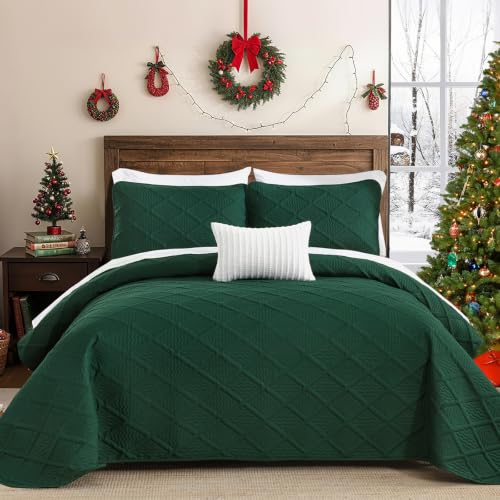
Green Bedspread: The Complete Guide to Choosing a Restful, Stylish Centerpiece
Explore shades, fabrics, and styling ideas to find the green bedspread that transforms your bedroom into a calm, welcoming retreat.
START THE GUIDEWhy Choose a Green Bedspread?
Green sits at the center of the color spectrum, blending the calm of blue with the warmth of yellow. In a bedroom, this balance translates into a restful but never dull atmosphere. Beyond aesthetics, a green bedspread offers practical advantages that make it a smart long-term choice:
- Versatile styling: Green pairs effortlessly with wood tones, white linens, brass accents, and neutral walls. It works equally well in modern, rustic, and traditional interiors.
- Calming effect: Many interior designers associate green with nature and restoration, making it a natural fit for spaces meant for rest.
- Hides everyday wear: Mid-tone and deep green shades are more forgiving than white or light pastels when it comes to minor marks and daily use.
- Year-round appeal: Lighter greens feel fresh in spring and summer, while deeper emerald and forest tones add warmth in cooler months.
- Easy to layer: A green bedspread serves as a flexible base for pillows, throws, and accent bedding in complementary tones.
If you are still exploring broader bedding options, you can browse related styles such as a gothic bedspread for a dramatic look or a high-end bedspread for a more tailored finish. For a softer, layered approach, consider green bedspreads and comforters as a combined set.
Understanding Green Shades for Bedding
The shade you choose has a major impact on how the room feels. Below is a practical breakdown of the most common green families used in bedspreads, along with their visual effects and best-suited room styles.
| Green Shade | Visual Effect | Best For | Styling Notes |
|---|---|---|---|
| Sage Green | Soft, muted, calming | Minimalist, Scandinavian, coastal bedrooms | Pairs well with white walls, light wood, and linen textures |
| Olive Green | Earthy, grounded, warm | Rustic, bohemian, and mid-century rooms | Works beautifully with leather, rattan, and warm metals |
| Emerald Green | Rich, bold, luxurious | Statement bedrooms and formal guest rooms | Balance with neutral sheets and simple lighting |
| Forest Green | Deep, restful, traditional | Classic and transitional interiors | Layer with cream or camel accents for contrast |
| Mint / Seafoam | Fresh, light, airy | Small rooms and children's bedrooms | Keep furniture light and avoid heavy patterns |
| Teal-Leaning Green | Vibrant, slightly cool | Eclectic and contemporary spaces | Combine with warm neutrals to prevent a cold feel |
If you already have a strong preference for a specific tone, looking at dedicated categories can help narrow your search. For example, a green chenille bedspread queen offers a textured option in a classic size, while broader green bedspreads collections cover multiple shades and fabrics in one place.
Materials and Fabrics: What to Look For
The fabric of your bedspread determines how it feels, how it drapes, and how long it will hold up. Here are the most common options and what to expect from each:
- Cotton: Breathable, easy to clean, and available in a wide range of weaves. Cotton bedspreads are a solid everyday choice and work well in warmer climates.
- Chenille: Soft, plush, and visually rich. Chenille adds texture and warmth, making it a good fit for cooler bedrooms and more traditional styling.
- Linen blends: Naturally textured and breathable, with a relaxed, lived-in look. Linen blends are well suited to casual and coastal interiors.
- Polyester blends: Durable, wrinkle-resistant, and easy to maintain. These are a practical option for high-traffic guest rooms and family homes.
- Quilted cotton: Lightweight and structured, ideal for layering in transitional seasons.
- Velvet or velour: Luxurious and warm, with a deep color payoff. Best reserved for statement bedrooms or cooler months.
Sizes and Fit: Getting the Drape Right
A green bedspread can look entirely different depending on how it fits your bed. The goal is usually a clean drape that covers the mattress and falls neatly over the sides, without pooling on the floor.
| Bed Size | Recommended Bedspread Size | Drape Style |
|---|---|---|
| Twin / Twin XL | Twin or Twin XL bedspread | Moderate side drape; avoid oversized throws |
| Full / Double | Full bedspread | Classic coverage; check drop length for platform beds |
| Queen | Queen bedspread | Balanced drape; consider a slightly larger size for pillow tuck |
| King | King bedspread | Generous coverage; confirm width for split adjustable bases |
| California King | California King bedspread | Longer drop; ideal for taller mattresses |
If you are outfitting a guest room, matching the bedspread to a standard size is usually simplest. For more inspiration on furnishing guest spaces, see guest bed ideas and guest room beds for small spaces.
How to Choose the Right Green Bedspread
Buying a bedspread is part practical decision and part design decision. Use the following criteria to narrow your options efficiently:
1. Start with the room's existing palette
Look at your walls, flooring, and furniture. If your room is mostly neutral, you have room for a bolder green such as emerald or teal. If the room already has strong colors, a muted sage or olive will integrate more smoothly.
2. Match the fabric to the season and climate
In warmer climates, cotton and linen blends are the most comfortable. In cooler regions, chenille and quilted options provide extra warmth without needing a heavy duvet.
3. Confirm the drop length
Measure from the top of the mattress to where you want the bedspread to end. Standard drops range from about 15 to 21 inches depending on the style, so check the product specifications rather than assuming a standard fit.
4. Decide on pattern versus solid
A solid green bedspread is the most versatile and easiest to layer. Patterns such as subtle botanical prints or geometric quilting can add visual interest but require more careful coordination with pillows and curtains.
5. Consider maintenance
Check whether the bedspread is machine washable and how it should be dried. Cotton and polyester blends are generally the most straightforward to care for, while velvet and some chenille styles may require gentler handling.
Styling Ideas for a Green Bedspread
A green bedspread is a strong starting point, but the surrounding layers determine the final look. Here are several approaches that work well:
- Scandinavian calm: Pair a sage green bedspread with white sheets, light oak furniture, and a simple linen throw.
- Rustic warmth: Combine an olive or forest green bedspread with warm wood tones, woven baskets, and textured pillows.
- Modern luxe: Use an emerald green bedspread with crisp white sheets and brushed metal accents for a polished, hotel-inspired look.
- Layered neutrals: Choose a mint or seafoam bedspread and layer it with cream and beige throws for a soft, airy feel.
- Seasonal swap: Keep the green bedspread as the base and change the throw and pillow colors to shift the mood across seasons.
For a coordinated look, you may also want to explore green beds and grey bedspread sets to compare how different base colors interact with green bedding. If you prefer a darker, more dramatic aesthetic, a gothic bedspread can be a useful reference point for contrast and layering.
Care and Maintenance Tips
Proper care keeps the color rich and the fabric comfortable for years. Follow these general guidelines:
- Always check the care label before washing; some chenille and velvet styles require dry cleaning or gentle cycles.
- Wash in cold or lukewarm water to help preserve dye intensity, especially for deep greens.
- Avoid overloading the washing machine; a bedspread needs room to move for effective cleaning.
- Air dry when possible, or use a low-heat setting to prevent shrinkage and fabric stress.
- Rotate the bedspread periodically so that sunlight and wear are distributed evenly.
- Store folded in a cool, dry place during off-seasons, and avoid plastic bags that trap moisture.
Common Mistakes to Avoid
- Ignoring undertones: A green with strong yellow undertones may clash with cool-toned walls, and vice versa. Compare fabric swatches in the room's lighting before committing.
- Choosing the wrong size: An undersized bedspread leaves the mattress exposed; an oversized one can pool on the floor. Measure the drop carefully.
- Skipping the care label: A beautiful bedspread that cannot be cleaned easily becomes a maintenance burden.
- Over-matching: Too many green elements in one room can feel flat. Break up the color with neutral sheets or wood tones.
Frequently Asked Questions
What is the best green shade for a small bedroom?
Lighter greens such as sage, mint, and seafoam tend to make small rooms feel more open. If you prefer a deeper tone, use it as an accent layer rather than as the dominant color across the whole bed.
Can a green bedspread work in a modern bedroom?
Yes. Emerald and forest green pair well with minimalist furniture, white walls, and metallic accents. The key is to keep the surrounding palette relatively restrained so the green remains a focal point.
How do I prevent a green bedspread from fading?
Wash in cold water, avoid harsh detergents, and dry away from direct sunlight. Rotating the bedspread and using a protective top layer can also reduce exposure to daily wear and light.
Should I choose a quilted or smooth green bedspread?
Quilted bedspreads add texture and are generally more durable for everyday use. Smooth fabrics like sateen or linen offer a more refined look but may show marks more easily. Choose based on the room's style and how heavily the bed is used.
What sheets go best with a green bedspread?
White and cream sheets provide the most versatile contrast. For a softer look, try light grey or oatmeal. If you want a bolder statement, a darker green sheet set can create a tonal, layered effect.
Related Guides and Inspiration
If you would like to explore more bedding and bedroom styling options, the following resources may be helpful: