Head Boards for Beds: The Complete Guide
Everything you need to choose the right headboard for comfort, support, and bedroom style — from sizing and materials to mounting and adjustable bed compatibility.
START THE GUIDEWhy a headboard matters: A headboard is more than a decorative backdrop. It protects your wall, frames the bed as the focal point of the room, and provides back support for reading, watching, or working in bed. If you have reached the research stage and know you want a headboard but are unsure which style, size, or mounting method suits your setup, this guide walks you through every decision in plain language so you can choose with confidence.
What Head Boards for Beds Actually Do
Headboards serve three practical roles. First, they anchor the bed visually, giving the room a finished, intentional look. Second, they offer structural back support — a padded or paneled headboard makes sitting up in bed far more comfortable than leaning against a bare wall. Third, they protect the wall behind the bed from scuffs, oils, and moisture.
The right headboard also influences how well your bed functions with your sleep habits. Side sleepers who read at night benefit from an upholstered surface, while households with adjustable bases need a model designed to move with the mattress. Keep those functional needs in mind as you review styles below — they will narrow your options quickly.
Headboard Styles at a Glance
Upholstered Headboards
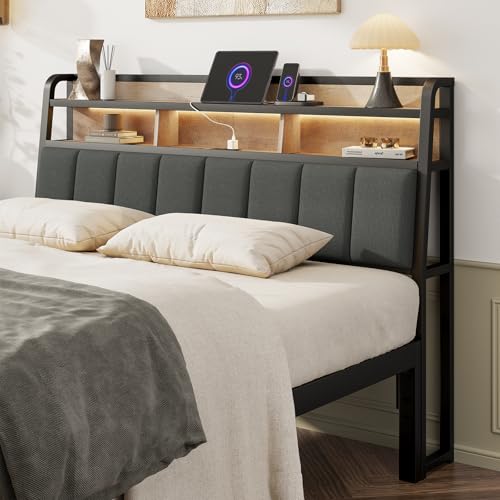
Fabric-wrapped panels with foam padding for soft back support. Available in linen, velvet, and woven blends. A strong choice for bedrooms where comfort and a tailored, hotel-like look matter.
Wood Headboards
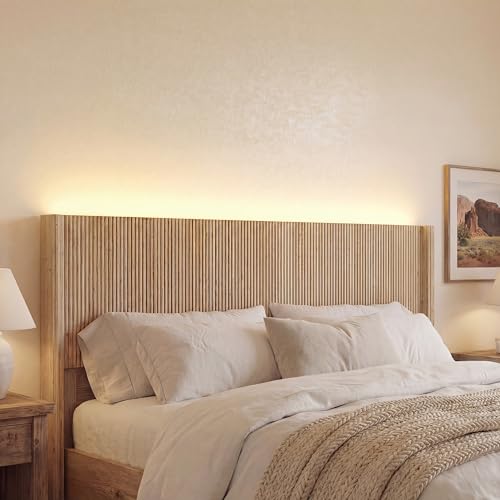
Solid wood, engineered wood, or veneer constructions in panel, slat, or spindle designs. Durable and warm, they pair well with rustic, modern, and Scandinavian interiors.
Metal Headboards
Steel and iron frames in open scrollwork or clean geometric lines. Heavy-duty metal builds are reinforced and resist wear, making them a solid pick for busy households and industrial styling.
Leather & Faux-Leather
Smooth, easy-to-clean surfaces with a polished finish. Often found in mid-range and premium tiers, they suit contemporary bedrooms and are simple to wipe down.
Wingback & Tall Panel
Extra height and side wings create a cocooning effect and block drafts. These sit at the high-end tier of headboard designs and work well in larger bedrooms with high ceilings.
Low-Profile & Platform
Minimalist headboards that sit close to the mattress line. Ideal for small rooms, modern styling, and setups where the headboard should not dominate the visual space.
Headboard Size and Height Guide
Headboard width should match your mattress width. Twin, full, queen, king, and California king each have corresponding headboard dimensions, and manufacturers usually label products by mattress size. If your frame is a non-standard size, measure the frame rails rather than guessing.
Height is the more overlooked spec. A headboard should rise at least a few inches above the top of the mattress so you can lean back comfortably. Measure from the floor to the top of your mattress, then compare that number against the headboard's stated height or adjustable range. If you plan to use a thick mattress topper, add that thickness to your measurement before choosing.
| Headboard Type | Best For | Support Level | Maintenance |
|---|---|---|---|
| Upholstered | Reading in bed, hotel-style bedrooms | High — padded back support | Vacuum or spot clean fabric |
| Wood Panel | Rustic and modern interiors, long-term durability | Moderate — firm surface | Dust and polish occasionally |
| Metal Frame | Industrial styling, heavy-duty use | Moderate — rigid structure | Wipe with a damp cloth |
| Leather / Faux-Leather | Contemporary rooms, easy-clean households | Moderate to high | Wipe down, condition leather |
| Wingback / Tall Panel | Large bedrooms, drafty rooms, cocooning feel | High — full back and side coverage | Depends on upholstery material |
| Low-Profile / Platform | Small rooms, minimalist design | Low — decorative framing | Minimal |
Materials and Market Tiers
Headboards are commonly grouped into three market tiers, and understanding them helps you set realistic expectations without fixating on numbers. Entry-level models typically use engineered wood or lightweight metal frames with basic fabric covers. Mid-range headboards often step up to solid wood frames, denser foam padding, and higher-grade upholstery. Premium and luxury tiers focus on hardwood construction, reinforced metal joinery, and performance fabrics or genuine leather.
Across all tiers, look for reinforced mounting hardware, a solid build, and a finish that resists wear. A headboard is a long-term investment in your bedroom, so prioritize construction quality over surface styling when the two conflict. Models that are well-specified for their class tend to hold their appearance far longer than decorative pieces built around thin frames.
Mounting Methods and Compatibility
There are three common mounting approaches. Frame-mounted headboards bolt directly to the bed frame rails or legs and need no wall drilling — the most renter-friendly option. Wall-mounted headboards attach to studs or anchors and float above the bed, which works well for platform beds without rails. Freestanding headboards rest on the floor behind the bed and lean against the wall, offering flexibility if you move furniture often.
If you use an adjustable bed, confirm compatibility before buying. Headboards for adjustable beds typically attach to the base rather than the mattress so they move correctly as the bed articulates. Standard frame-mounted models may not fit an adjustable base without adapters. You can explore dedicated options such as headboards for adjustable beds and queen adjustable bed headboards if that is your setup, and review king adjustable bed headboards for larger frames.
Size-specific headboard pages worth bookmarking
If you already know your mattress size, jump straight to the matching guide: queen headboards for beds, king-size headboards for beds, and headboard designs for king-size beds. For paired head-and-footboard sets, see head and footboards for king-size beds.
Styling Your Headboard With the Rest of the Bedroom
Treat the headboard as the anchor of your bedroom palette. A neutral upholstered headboard lets bedding and artwork carry the color, while a wood or metal headboard sets the tone for the room's finish. Height matters visually too: tall headboards suit rooms with high ceilings, while low-profile models keep small spaces feeling open.
Lighting and bedside furniture complete the look. Wall sconces or reading lights mounted above the headboard free up nightstand space, and a coordinated nightstand keeps the visual line clean. If you want a fully integrated setup, browse headboards with bedside tables and headboards with shelves for king-size beds for built-in storage.
For a broader view of how the bed fits into the room, pair this guide with our guest bed ideas collection and good beds overview. If your plans extend to a new mattress, our hybrid mattresses guide explains how mattress height interacts with headboard sizing.
A Practical Buying Checklist
- Measure your mattress width and confirm the headboard's stated size matches.
- Measure floor-to-mattress-top height and compare it with the headboard height or adjustable range.
- Confirm the mounting method: frame rails, wall, or freestanding.
- Check adjustable bed compatibility if you use an articulating base.
- Review the frame material and mounting hardware for reinforced construction.
- Match the upholstery or finish to your room's existing palette and maintenance preferences.
- Read the assembly instructions and verify all mounting bolts are included.
Frequently Asked Questions
What is the standard height for head boards for beds?
Most headboards range between 40 and 60 inches tall from the floor. A headboard should extend at least two to four inches above the top of your mattress so you have comfortable back support when sitting up in bed. Taller panel and wingback styles often reach the high-end tier of that range, while low-profile platform headboards sit nearer the minimum.
How do I choose a headboard that fits my bed frame?
Match the headboard width to your mattress size — twin, full, queen, king, or California king. Check how the headboard attaches: many models mount to the bed frame rails, while others are wall-mounted or freestanding. Measure from the floor to the top of your mattress and confirm the headboard's adjustable height range before ordering.
Are headboards compatible with adjustable beds?
Not every headboard works with an adjustable base. Look for headboards designed for adjustable beds, which typically attach to the base rather than the mattress or standard rails and may include flexible or articulating panels. Always confirm compatibility with your specific adjustable bed model before purchasing.
What materials are best for head boards for beds?
Upholstered headboards offer soft back support and a tailored look, wood models bring warmth and durability, metal frames suit industrial and minimalist rooms, and leather or faux-leather styles deliver a polished, easy-clean finish. Choose a material that matches your sleep posture needs and the maintenance level you prefer.
Can I install a headboard without drilling into the wall?
Yes. Many headboards attach directly to the bed frame rails or legs and require no wall drilling. Freestanding and tension-mounted styles are also available. Wall-mounted headboards usually need anchor hardware, so check the installation method listed by the manufacturer before you commit.