King Size Bedsheet with Comforter: The Complete Guide
Everything you need to know before choosing a coordinated king bedding set — from fabric and fit to warmth and long-term care.
Start the GuideWhat a King Size Bedsheet with Comforter Set Actually Includes
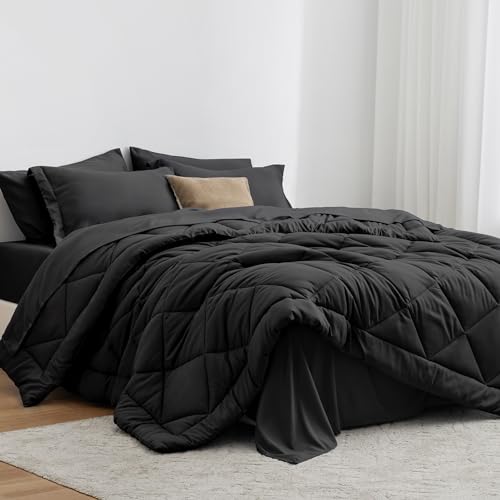
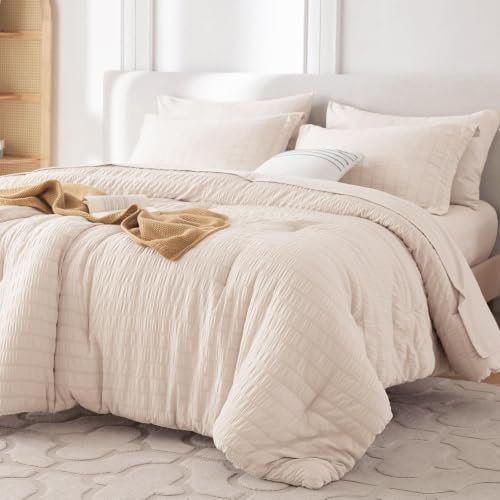
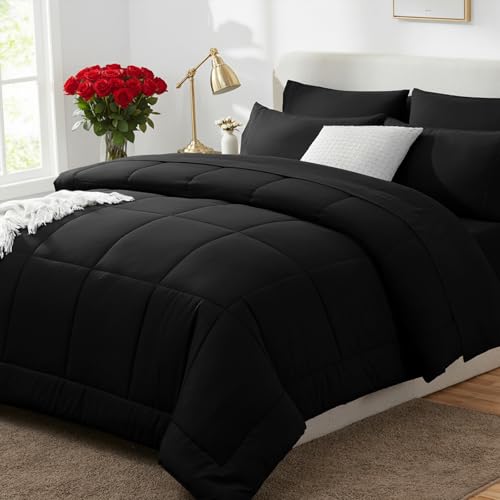
A coordinated king size bedsheet with comforter set typically bundles three core pieces: a fitted sheet, a flat sheet, and a comforter. Many sets also include two king pillowcases, and some add decorative shams or a bed skirt. Buying these pieces together gives you a unified color story and removes the guesswork of matching fabric weights and finishes.
For sleepers upgrading a larger mattress, the practical appeal is straightforward. A single purchase covers the surface of the bed, the layer directly beneath the body, and the top layer that regulates warmth. The result is a consistent look and predictable fit, which matters on a larger mattress where small measurement differences become noticeable.
If you are still deciding on the mattress itself, our king size beds guide covers frame and mattress pairing, while the king size bedsheet size in cm reference is useful when comparing international product listings. Sleepers who prefer a structured, minimalist look sometimes pair a comforter set with a Japanese platform bed, which keeps the bedding as the visual focus of the room.
Dimensions and Fit: Getting the Measurements Right
The single most common disappointment with a king bedding set is a comforter that leaves too little overhang on each side. Standard king mattresses measure 76 by 80 inches, but mattress depth varies widely — from slim 8-inch profiles to deep 18-inch profiles with toppers. Measure your mattress height before buying, and confirm the fitted sheet pocket depth exceeds that measurement by at least an inch or two.
| Piece | Typical Dimensions | What to Verify |
|---|---|---|
| Fitted Sheet | About 78 x 80 in | Pocket depth versus mattress height |
| Flat Sheet | About 108 x 102 in | Enough length for tucking on both sides |
| Comforter | Roughly 102 x 90 in or larger | Side and foot overhang for a finished look |
| Pillowcases | King size, about 20 x 40 in | Envelope closure or open-end style |
If you prefer a layered, hotel-style finish, look for a comforter with a wider footprint rather than adding extra throw blankets. Sleepers who like a fuller look can compare options in our king bedspreads and comforters overview, and those who want a quilted texture may prefer the structured feel described in the king size quilted bedspread sets guide.
Materials Compared: Sheets and Comforter Fill
The sheet fabric and the comforter fill serve different jobs, so evaluate them separately even when they arrive as one set.
Sheet Fabrics
- Cotton percale — crisp, breathable, and durable; a solid mid-range choice for warm sleepers.
- Cotton sateen — smoother hand feel with a subtle sheen; good for cooler months and sleepers who like a silky surface.
- Linen — naturally temperature-regulating and gets softer with washing; a premium option for year-round comfort. Our linen sheets guide explains how to judge quality.
- Microfiber — soft and wrinkle-resistant at the entry-level tier; less breathable than natural fibers.
Comforter Fill and Construction
- Down fill — high loft and warmth-to-weight ratio; a luxury-tier choice that requires careful care.
- Down-alternative — synthetic fill that mimics loft; often machine washable and suitable for allergy-sensitive sleepers.
- Quilted cotton — lighter and more breathable; a balanced-tier option for warmer rooms.
- Baffle-box construction — keeps fill evenly distributed and prevents cold spots; worth prioritizing in any tier.
Practical tip: If you sleep hot, prioritize a breathable sheet fabric and a lighter comforter rather than a heavier fill. If you sleep cold, a sateen sheet paired with a mid-range down-alternative comforter usually covers the gap without feeling bulky.
Key Buying Factors Before You Decide
Visitors researching a king size bedsheet with comforter are usually comparing a handful of shortlisted sets. These are the factors that separate a set that lasts from one that disappoints after a few washes.
- Fit accuracy. Check pocket depth and comforter overhang against your actual mattress measurements, not the nominal size label.
- Fabric weight and thread structure. Higher thread count is not automatically better; weave quality and fiber length matter more than the number on the label.
- Comforter warmth rating. Match the fill weight to your bedroom temperature and personal sleep temperature rather than the season name on the packaging.
- Stitching and construction. Reinforced seams, baffle boxes, and secure corner elastics on the fitted sheet all extend usable life.
- Colorfastness. Darker and saturated colors vary in how well they hold up to repeated washing; check care instructions and customer feedback on fading.
- Care requirements. A set that needs professional cleaning adds ongoing effort. Machine-washable options are more practical for daily use.
Sets sit across the market in recognizable tiers. Entry-level sets usually rely on microfiber or lower-grade cotton with simpler quilting. Mid-range sets typically move to long-staple cotton and better baffle construction. Premium and luxury tiers focus on linen or high-grade cotton sateen paired with responsibly sourced down or high-loft down-alternative fill. Our king size bedspread sets guide is a useful cross-reference if you are comparing coordinated options across these tiers.
Seasonal Comfort: Adapting the Set to Your Climate
A single coordinated set can work year-round if you choose the sheet fabric and comforter fill thoughtfully. In warmer climates, a lightweight cotton or linen sheet with a quilted cotton comforter keeps the bed breathable without sacrificing a finished look. In cooler climates, sateen sheets and a mid-range down or down-alternative comforter deliver warmth without excessive weight.
Sleepers who run hot overnight often benefit from a lighter comforter plus a layering strategy — a breathable sheet as the base and a lighter coverlet on top during warmer weeks. Those who prefer a cooler sleeping environment may find a heavier fill comfortable in winter but too warm in summer, so a mid-weight comforter is the more adaptable long-term choice. If you are also refining the overall room, our bedroom decor resources cover lighting and layout choices that complement a coordinated bedding set.
Care and Longevity: Making the Set Last
Proper care protects both the fabric hand feel and the comforter loft. Follow the care label first, then apply these general practices:
- Wash sheets weekly in cool or warm water on a gentle cycle to reduce fiber stress.
- Wash the comforter every few months, or more often if pets share the bed.
- Avoid high heat in the dryer; low heat preserves elasticity in fitted sheets and prevents fill clumping.
- Rotate the comforter periodically so the fill stays evenly distributed and the top surface wears uniformly.
- Store the comforter loosely in a breathable bag rather than a vacuum-sealed one, which can compress fill permanently.
For sleepers building a complete bedding rotation, our king size bedspreads with shams guide explains how decorative shams fit into a coordinated look without duplicating function.
Frequently Asked Questions
What size bedsheet fits a king size bed with comforter?
A standard king flat sheet measures about 108 by 102 inches and the fitted sheet about 78 by 80 inches, with pocket depth matching your mattress height. Confirm the comforter dimensions provide generous overhang on both sides for a finished look.
Should I buy a coordinated set or separate sheets and comforter?
A coordinated set saves time and guarantees matching colors and fabric weights. Buying separately offers more flexibility if you have specific temperature or texture preferences, but requires more careful matching.
What material is best for a king bedsheet and comforter combo?
Cotton percale and sateen are breathable and durable for year-round use, linen regulates temperature naturally, and microfiber is a soft entry-level option. For the comforter, down and down-alternative provide loft, while quilted cotton suits warmer rooms.
How often should I wash a comforter from a bedding set?
Wash sheets weekly and the comforter every few months, or more often with pets. Use a gentle cycle and low heat, and check the care label for any fiber-specific instructions.
Can a king size bedsheet with comforter set work in a small bedroom?
Yes, but prioritize a comforter with a moderate overhang rather than an oversized one to avoid excess fabric bunching. A structured, minimally layered look keeps a large bed visually calmer in a compact room.
Ready to Compare Your Shortlist?
Use the recommended products below to compare fit, fabric, and construction side by side. Each listing links to a retailer where you can confirm current specifications and availability.
View Recommended Sets