Lightweight Twin XL Bedspread: The Complete Buyer's Guide
Everything you need to know about choosing a breathable, easy-care Twin XL bedspread for dorm rooms, guest beds, adjustable frames, and warm sleepers who want comfort without heavy bulk.
Why this guide matters: The Twin XL is the standard size for college dorm beds and many adjustable and guest setups, yet it is one of the most underserved bedding sizes. A lightweight bedspread in this size must balance breathability, a proper drop along the sides, and easy laundering. This guide breaks down materials, warmth ratings, fit, and layering so you can choose with confidence.
Why Twin XL Is Different From a Standard Twin
The Twin XL format measures roughly 38 inches wide by 80 inches long, adding five extra inches of length compared with a classic twin. Those extra inches matter: they accommodate taller sleepers and match the longer mattresses used in dormitories, adjustable bases, and many guest rooms. Because the length is unusual, a standard twin bedspread will often fall short at the foot, while a full or queen spread will pool awkwardly on the floor.
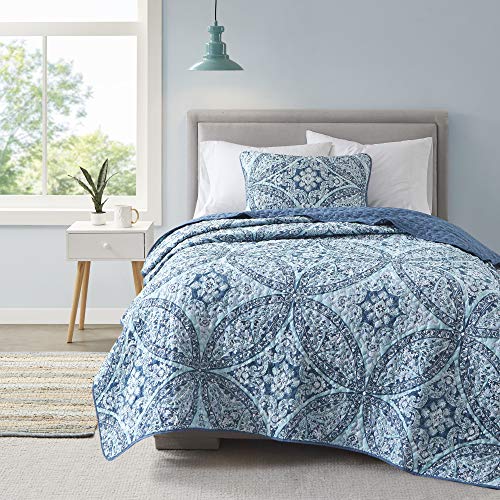
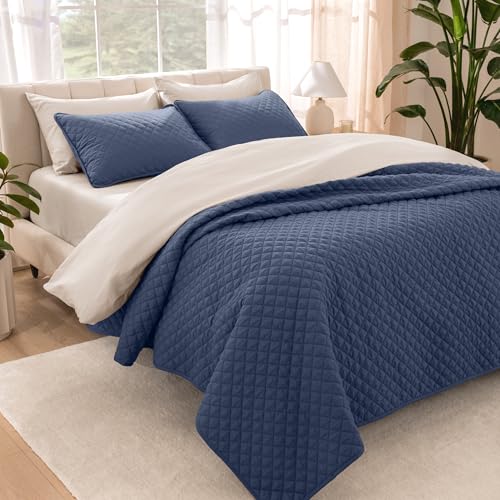
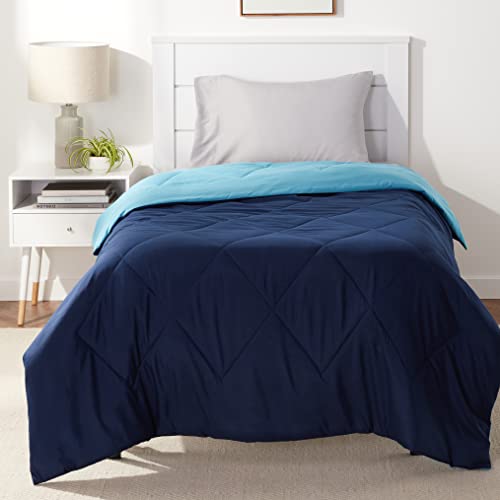
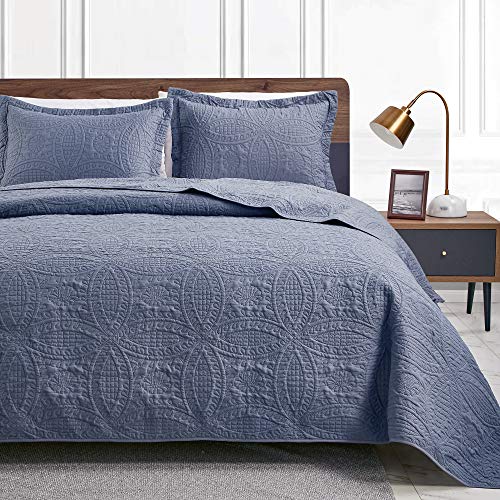
When shopping, always confirm that the bedspread is explicitly labeled for Twin XL. A properly sized lightweight bedspread should drape evenly on all three visible sides without dragging, which keeps the look tidy and prevents the fabric from becoming a trip hazard. If you are also refreshing the rest of the setup, our broader collection of lightweight summer bedspreads covers complementary options across sizes.
What "Lightweight" Really Means in Bedding
The term lightweight is not standardized, so it helps to think in terms of warmth and construction rather than a single label. A lightweight bedspread is typically built with a thin profile, minimal or no filling, and breathable face fabrics. It is designed to provide a finished look and a light layer of coverage rather than to trap heat.
Three Practical Warmth Tiers
To compare products without relying on marketing language, use these universal quality tiers as a framework:
- Essential tier: A single-layer quilted or woven coverlet with little to no batting. Best for hot sleepers, summer months, and climate-controlled dorm rooms.
- Balanced tier: A lightly filled bedspread with a thin loft. Suitable for year-round use when layered with a blanket in cooler months.
- Top-tier: A premium lightweight construction using high-grade natural fibers or advanced breathable synthetics. Offers the most refined drape and temperature regulation within the lightweight category.
Understanding this framework helps you match the bedspread to your room's climate and your personal sleep temperature instead of guessing from a product title.
Materials That Keep a Bedspread Light and Breathable
The face fabric and fill determine how a bedspread feels, how it breathes, and how it holds up over time. Here is how the most common options compare.
| Material | Breathability | Drape & Feel | Best For |
|---|---|---|---|
| Cotton percale or voile | High | Crisp, cool, structured | Warm sleepers and summer use |
| Linen and linen blends | Very high | Textured, relaxed, airy | Naturally temperature-regulating setups |
| Bamboo viscose | High | Silky, fluid, cool to the touch | Those who prefer a smooth finish |
| Microfiber | Moderate | Soft, wrinkle-resistant | Low-maintenance guest and dorm beds |
| Quilted cotton with thin batting | Moderate to high | Plush but thin | A finished look with light warmth |
Natural fibers such as cotton and linen remain the most reliable choice for breathability, while modern synthetics have improved significantly. If you prefer a natural, textured look that pairs well with wood tones and soft neutral palettes, explore our guide to lightweight cotton bedspreads to see how cotton constructions behave in practice before committing to a Twin XL.
Fill and Construction Details Worth Checking
- Batting weight: Thinner batting keeps the bedspread light; heavier batting pushes it toward a comforter.
- Quilting density: Closer quilting holds shape better and distributes fill evenly.
- Binding and hems: Reinforced edges resist fraying through frequent washing, which is common in dorm settings.
- Backing fabric: A breathable cotton backing feels cooler against the body than a coated or brushed synthetic reverse.
Getting the Fit Right: Drop, Tuck, and Frame Clearance
Fit is where many Twin XL purchases go wrong. The right bedspread should cover the mattress top and drop evenly along both sides and the foot. Because Twin XL mattresses are narrow, an oversized spread tends to bunch at the corners, while an undersized one leaves the mattress exposed.
Measure Before You Choose
- Measure the mattress width, length, and depth, including any topper.
- Decide on a desired drop. A shorter drop of around 10 to 12 inches looks tailored, while a longer drop hides under-bed storage and reads more relaxed.
- Account for platform beds and adjustable bases, where excess fabric can interfere with articulation.
Adjustable bed tip: If your Twin XL mattress sits on an adjustable frame, choose a bedspread with a modest drop and a bit of stretch in the weave. A lighter fabric follows the hinge motion more gracefully than a stiff, heavily filled cover. For related setups, see our notes on adjustable bed configurations to understand how bedding behaves on articulating bases.
For comparison purposes, browsing how other sizes are handled can clarify expectations. Our overview of lightweight bedspreads in full size shows how drop and proportions differ when the mattress widens, which is a useful reference if you are outfitting multiple beds.
Who Benefits Most From a Lightweight Twin XL Bedspread
A lightweight bedspread is not a compromise; for many sleepers it is the most practical choice. Consider it if any of the following apply:
- You sleep warm or wake up overheated under heavy comforters.
- You live in a climate with long, humid summers or rely on air conditioning.
- You are outfitting a dorm room where laundry access is limited and quick-drying fabrics matter.
- You maintain a guest bed that needs to look tidy with minimal upkeep.
- You use an adjustable base and want bedding that moves without resistance.
- You prefer a layered look and want a breathable base layer to build on.
If your priority is a year-round single layer, a balanced-tier bedspread with light batting is the most versatile choice. If you mainly need a cool summer cover, an essential-tier cotton or linen coverlet performs best. Readers designing a calm, natural bedroom often pair these with greenery, and our ideas on indoor plants for bedrooms complement a breathable, low-clutter aesthetic.
How to Layer a Lightweight Bedspread for Every Season
One of the strongest arguments for a lightweight bedspread is its versatility. Rather than owning several bulky comforters, you can build warmth in thin, adjustable layers.
Summer and Warm Rooms
Use the bedspread alone over a breathable sheet set. Choose cotton or linen sheets with a crisp finish, and fold the top edge of the bedspread back for a relaxed look. This combination keeps airflow moving and avoids trapped heat.
Spring and Autumn
Add a lightweight quilted blanket or a thin knit throw at the foot of the bed. The bedspread stays as the visual anchor while the throw provides adjustability through the night.
Cooler Months
Layer a duvet or a medium-weight blanket beneath the bedspread, or fold a heavier throw across the lower half of the bed. Because the bedspread is thin, it acts as a tidy top layer without adding excess weight. If you like the flexibility of changing the look seasonally, our collection of lightweight summer bedspreads in king size shows how the same layering approach scales to larger beds.
Care, Laundering, and Long-Term Durability
Lightweight bedspreads are generally easier to care for than filled comforters, but the fabric type still dictates the routine. Always follow the care label, and keep these guidelines in mind:
- Cotton and linen: Machine wash in cool or warm water on a gentle cycle. Tumble dry low and remove promptly to minimize wrinkles. Linen softens with each wash.
- Bamboo viscose: Wash cool and dry low or line dry. Avoid high heat, which can shrink or distort the drape.
- Microfiber: Wash warm and dry low. Microfiber resists wrinkling but can pill if washed with abrasive items, so launder separately from towels with heavy zippers.
- Quilted constructions: Check the stitching periodically. Reinforced quilting maintains even fill distribution over years of washing.
Dorm-room practicalities: A Twin XL bedspread that dries quickly is a genuine advantage when shared laundry facilities are in high demand. Essential-tier cotton and microfiber options typically dry fastest, while premium natural fibers may need a longer low-heat cycle.
A Practical Buying Checklist
Use this checklist to evaluate any lightweight Twin XL bedspread before you commit:
- Confirm the product is explicitly labeled Twin XL, not standard twin.
- Check the finished dimensions, including drop, against your mattress depth.
- Match the fabric to your sleep temperature: cotton and linen for warm sleepers, microfiber for low maintenance.
- Review the fill or batting description to understand warmth tier.
- Look for reinforced binding and close quilting if you plan frequent washing.
- Verify colorfastness and care instructions for the fabric you choose.
- Consider whether the bedspread will be used on an adjustable base and choose a flexible weave if so.
If you are still comparing categories, our wider selection of lightweight summer bedspreads and related summer-weight bedspread options provide useful context for materials and construction details.
Frequently Asked Questions
Is a Twin XL bedspread the same as a standard twin bedspread?
No. A Twin XL mattress is about five inches longer than a standard twin. A standard twin bedspread will typically fall short at the foot, so choose a product specifically labeled Twin XL for proper coverage.
Will a lightweight bedspread keep me warm enough in winter?
On its own, no. A lightweight bedspread is designed as a breathable top layer. In cooler months, layer it over a duvet or add a throw blanket at the foot of the bed to adjust warmth without adding bulk.
Which fabric is best for a dorm room?
Cotton and microfiber are both practical for dorm rooms because they launder easily and dry relatively quickly. Cotton offers better breathability, while microfiber resists wrinkling and requires less ironing.
Can I use a lightweight Twin XL bedspread on an adjustable bed?
Yes, provided the drop is moderate and the fabric has some flexibility. A thin, softly woven bedspread follows the articulation of an adjustable base more smoothly than a stiff, heavily filled cover.
How often should a bedspread be washed?
In typical use, washing every one to two weeks is reasonable. In dorm rooms or homes with pets, a weekly wash is advisable. Always follow the care label, and dry on low heat to protect the fabric and stitching.
Does thread count matter for a lightweight bedspread?
Thread count is more relevant to sheets than to bedspreads, but it can indicate fabric density. For bedspreads, prioritize the weave structure, fill description, and stitching quality over thread count alone.
Final Thoughts
A lightweight Twin XL bedspread is a smart foundation for dorm rooms, guest beds, adjustable frames, and anyone who sleeps warm. Focus on three factors: correct Twin XL sizing with an even drop, a breathable fabric that matches your sleep temperature, and a construction that survives regular laundering. With those elements in place, a lightweight bedspread delivers a polished look and genuine comfort without the weight of a heavy comforter.
For additional context on how bedding performs across different mattress sizes and setups, explore our guides on lightweight Cal King bedspreads and king bedspreads and comforters to compare construction and layering approaches side by side.