Memory Foam Guest Beds Folding: The Complete Buyer's Guide
Space-saving comfort for unexpected guests. Learn how folding memory foam guest beds combine portability, support, and convenience for modern homes.
EXPLORE THE GUIDEWhy folding memory foam guest beds matter: When friends or family stay over, a proper bed makes all the difference. Folding memory foam guest beds solve the classic dilemma of limited space versus genuine comfort. They fold away in seconds, store in a closet or under a bed, and still deliver the contouring support memory foam is known for. This guide covers everything you need to choose the right one with confidence.
What Are Folding Memory Foam Guest Beds?
A folding memory foam guest bed is a portable sleeping solution built around a memory foam mattress or cushion that folds into compact sections for easy storage. Unlike traditional air mattresses or sofa beds, these beds use dense memory foam layers that conform to the body, relieving pressure points and providing a more supportive sleep surface.
Most models fold into two, three, or four sections and can be stored upright in a closet, tucked under a bed, or rolled into a carrying bag. They are designed for temporary use but increasingly offer comfort levels that rival permanent beds. This makes them ideal for guest rooms, apartments, dormitories, and homes where space is at a premium.
The concept blends the convenience of a foldable frame with the sleep quality of memory foam mattresses. Many folding guest beds pair a foam mattress with a low-profile foldable frame, while others are standalone foam mattresses that unfold directly on the floor. Understanding which configuration suits your space and guests is the first step toward a smart purchase.
How Folding Memory Foam Beds Work
The core of any folding memory foam guest bed is the foam itself. High-density memory foam is cut into sections connected by fabric hinges or seams, allowing the bed to fold without damaging the material. When unfolded, the sections lie flat and the foam expands to its full thickness, providing a continuous sleeping surface.
There are two common designs:
- Foam-only folding mattresses: These are thick memory foam pads that fold into compact blocks. They rest directly on the floor or on an existing bed frame. They are lightweight and easy to move but offer limited elevation.
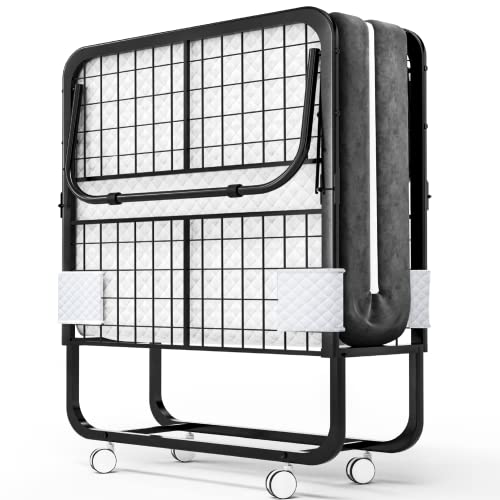
- Folding frame with memory foam top: These combine a hinged metal or wooden frame with a memory foam mattress. The frame folds in half or into thirds, and the mattress either folds with it or detaches. These provide better airflow and a more traditional bed height.
Both designs rely on the foam's viscoelastic properties to distribute weight evenly. The folding mechanism is typically reinforced with durable fabric or stitching that withstands repeated setup and takedown. For guests who need extra support, pairing the bed with a mattress topper can enhance firmness or softness.
Key Features to Evaluate
Not all folding memory foam guest beds are created equal. The following features have the biggest impact on comfort, durability, and convenience.
Foam Density and Thickness
Higher-density memory foam (typically 3 to 5 pounds per cubic foot) resists sagging and lasts longer. Thickness matters too: a 4-inch pad suits occasional use, while 6 inches or more approaches the feel of a standard mattress. For guests who stay multiple nights, thicker foam is a worthwhile investment.
Folding Mechanism and Portability
Look for reinforced hinges, sturdy zippers, and handles or carrying straps. A bed that folds into a compact cube is easier to store than one that folds flat but remains bulky. Consider the weight as well—a heavier bed may feel more stable but is harder to move alone.
Cover Material and Washability
Removable, machine-washable covers are a major convenience for guest beds. Look for breathable fabrics like cotton blends or bamboo-derived viscose that wick moisture and reduce heat buildup. A non-slip bottom keeps the bed in place on hardwood or tile floors.
Support and Firmness
Memory foam comes in soft, medium, and firm varieties. Medium-firm is the safest choice for most guests because it supports the spine without feeling overly hard. If your guests have different preferences, a medium-firm mattress style balances comfort and support well.
Storage and Setup Speed
The best folding guest bed is one you can set up in under two minutes and store without rearranging furniture. Measure your storage space before buying—some folded beds are taller than expected. Quick-release buckles, elastic straps, and included storage bags all speed up the process.
Types and Configurations
Folding memory foam guest beds come in several formats, each suited to different spaces and guest needs.
| Type | Best For | Key Traits |
|---|---|---|
| Tri-fold memory foam mattress | Small apartments, dorms, emergency guest bedding | Folds into thirds, lightweight, stores upright, sits on floor or frame |
| Bi-fold memory foam bed with frame | Guest rooms with limited floor space | Hinged frame provides height and airflow, folds in half |
| Sofa-style folding guest bed | Multi-use living spaces and home offices | Functions as seating when folded, unfolds into a sleeper |
| Roll-up memory foam guest mattress | Camping, temporary stays, travel | Rolls into a compact cylinder, often includes carry bag |
For a permanent guest room setup, a bi-fold frame with memory foam offers the most bed-like experience. For occasional use in a studio apartment, a tri-fold mattress is the most space-efficient choice. Those exploring broader options can also review memory foam sofa beds, which serve double duty as seating and sleeping surfaces.
Advantages and Limitations
Understanding the trade-offs helps set realistic expectations and choose a bed that fits your lifestyle.
Advantages
- Excellent space efficiency—folds into a closet or under furniture
- Memory foam contours to the body for pressure relief
- Lightweight and portable compared to traditional guest beds
- Quick setup for unexpected overnight guests
- Washable covers keep the bed fresh between visits
- No need for box springs or bulky frames in many designs
Limitations
- Foam may soften over time with frequent use
- Floor-level models can feel low for some guests
- Memory foam can retain heat in warm climates
- Folding seams may develop wear with rough handling
- Not ideal as a permanent everyday mattress
- Thin models may lack sufficient support for heavier guests
For most households, the benefits far outweigh the drawbacks, especially when the bed is used a few times per month. Guests who prioritize a familiar bed height may prefer a folding frame model, while those with very limited storage may accept a floor-level design in exchange for convenience. A mattress protector can extend the life of the foam and keep it hygienic between uses.
Buying Guide: How to Choose the Right Folding Memory Foam Guest Bed
With so many models available, narrowing down the options requires a structured approach. Follow these steps to make a confident decision.
Step 1: Measure Your Space
Before anything else, measure the floor area where the bed will be used and the storage space where it will live when folded. A queen-size folding bed may seem appealing, but it can overwhelm a small guest room. Twin and full sizes are the most common for folding guest beds because they balance comfort and portability.
Step 2: Decide on Foam Thickness
For one or two nights, a 3- to 4-inch pad is adequate. For stays of a week or more, choose 5 to 6 inches or add a memory foam mattress topper for extra cushioning. Thicker foam also tends to last longer and resist bottoming out.
Step 3: Choose Between Frame and Floor Models
Frame models offer a more traditional bed height and better airflow, which helps with temperature regulation. Floor models are simpler, lighter, and often easier to store. If your guests include older adults or anyone with mobility concerns, a frame model is the safer choice.
Step 4: Evaluate the Cover and Care Requirements
Look for removable, washable covers and consider a waterproof liner for accidental spills. Breathable fabrics reduce heat retention, a common complaint with memory foam. A non-slip base or straps keep the bed stable during the night.
Step 5: Check the Folding Mechanism and Warranty
Read reviews about hinge durability and long-term fold performance. A solid warranty signals confidence in the product. Also confirm the folded dimensions—some models fold compactly but weigh more than expected, which matters if you need to carry the bed up stairs.
Step 6: Consider Versatility
If the bed will double as seating or serve multiple rooms, a convertible design may be worthwhile. For dedicated guest use, a straightforward tri-fold or bi-fold model is usually sufficient. Those building out a full guest room may also explore mattresses and complementary bedding essentials for a polished setup.
Care and Maintenance Tips
Proper care extends the life of your folding memory foam guest bed and keeps it fresh for every visitor.
- Air it out: After each use, unfold the bed and let it air for a few hours before folding and storing. This prevents moisture buildup and odors.
- Wash covers regularly: Remove and wash the cover according to the manufacturer's instructions after each guest stay. Use a gentle detergent and avoid high heat.
- Rotate the foam: If the bed has a head and foot end, rotate it periodically to distribute wear evenly.
- Store in a dry place: Keep the folded bed in a climate-controlled area. Damp basements or attics can degrade foam and encourage mold.
- Avoid jumping or rough handling: Folding seams are the most vulnerable part. Handle the bed gently to prevent tears.
- Use a protector: A waterproof mattress encasement or protector shields the foam from spills and allergens.
With routine care, a quality folding memory foam guest bed can serve your household for years. For deeper cleaning guidance, refer to general mattress care tips.
Frequently Asked Questions
How thick should a folding memory foam guest bed be?
For occasional overnight guests, 3 to 4 inches of memory foam is generally sufficient. For stays of several nights or for guests who need more support, choose 5 to 6 inches. Thicker foam also tends to be more durable and less prone to bottoming out.
Can a folding memory foam guest bed be used every night?
While some high-density models can handle nightly use, folding guest beds are primarily designed for temporary sleeping. If you need a permanent bed, a standard memory foam mattress is a better long-term investment. Folding beds may soften or develop seam wear with daily use.
How do I store a folding memory foam guest bed?
Store it folded in a dry, climate-controlled space such as a closet, under a bed, or on a shelf. Avoid damp basements and extreme temperatures. Many models come with a storage bag or straps to keep the bed compact and protected.
Is memory foam too hot for guests?
Traditional memory foam can retain heat, but many modern folding guest beds use gel-infused or open-cell foam that improves airflow. A breathable cover and a cool room temperature also help. If heat is a concern, look for models with cooling features or pair the bed with moisture-wicking bedding.
What size folding guest bed is best for a small apartment?
Twin and full sizes are the most practical for small spaces. A twin tri-fold mattress stores compactly and fits in a closet, while a full-size model offers more room for couples but requires more storage space. Measure both your floor area and storage area before deciding.
Do I need a frame for a folding memory foam mattress?
Not necessarily. Many folding mattresses are designed to be used directly on the floor. However, a frame provides better airflow, a more familiar bed height, and easier access for guests with mobility concerns. Frames that fold with the mattress are available for added convenience.
Ready to Choose Your Folding Memory Foam Guest Bed?
You now have the knowledge to select a bed that balances comfort, storage, and convenience. Explore our recommended products below and find the right fit for your home.
View Recommended Products