Modern Bedside Table Lamp: The Complete Guide to Choosing the Right Light
A modern bedside table lamp does more than light a room. It shapes how you read, relax, and unwind before sleep. This guide walks you through lighting quality, design styles, control options, and practical checks so you can choose a lamp that fits your bedroom and your nightly routine.
Why the Right Bedside Lamp Matters
Light is one of the strongest signals your body uses to decide whether it is time to be alert or time to rest. A harsh overhead fixture in the evening can keep your mind active long after you want to settle down. A well-chosen bedside lamp, by contrast, gives you a focused pool of light for reading or preparing for the next day without flooding the whole room.
The modern bedside table lamp has evolved into a design object as much as a functional tool. Many models now combine adjustable brightness, warm color temperatures, and convenient controls such as touch dimming or built-in charging. That makes the choice more interesting, but also more complex. The sections below break the decision into manageable parts so you can match the lamp to your habits, your furniture, and your sleep goals.
Quick principle: choose the light for how you use the hour before bed. If you read, prioritize adjustable brightness and a focused beam. If you mostly relax, prioritize soft diffusion and warm tones.
Lighting Quality: The Core Decision
Before style, look at how a lamp actually lights the room. Three qualities matter most: color temperature, brightness control, and how the shade diffuses light.
Color Temperature
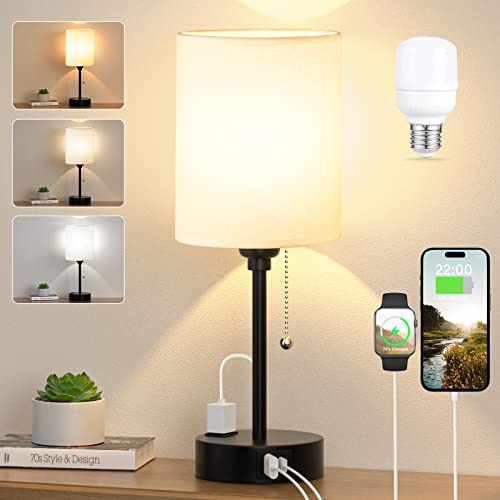
Color temperature is measured in kelvin (K) and describes whether light looks warm or cool. Warm white light in the 2700K to 3000K range is the standard recommendation for bedrooms because it feels calm and supports the natural wind-down process. Cooler light, closer to 4000K and above, is better suited to focused tasks and is generally less comfortable for late-evening use. If a lamp offers multiple color temperatures, that flexibility is a genuine advantage for a bedside setting.
Brightness and Dimming
A fixed-brightness lamp forces a compromise: bright enough to read, or dim enough to relax. A dimmable lamp removes that trade-off. Look for smooth dimming rather than a simple two-step switch. Stepless dimming lets you fine-tune the level as the evening progresses, which is especially useful if you share the room with a partner who sleeps earlier.
Shade Diffusion and Glare
The shade controls how light spreads. Fabric and frosted glass shades soften the beam and reduce glare, which is kinder to your eyes in a dim room. Opal glass and linen are common choices in modern designs. A shade that is open at the bottom directs more light onto your book or device, while a fully enclosed shade creates a softer ambient glow. Consider which pattern matches your routine.
Modern Styles and Finishes
"Modern" covers a wide range. The most useful way to narrow it down is to match the lamp's silhouette and finish to the furniture already in your bedroom.
Minimalist and Sculptural
Slim metal stems, matte finishes, and geometric bases define the minimalist end of modern design. These lamps suit clean, uncluttered rooms and pair naturally with low-profile platform beds and streamlined nightstands. If your room leans toward a contemporary look, a simple cylindrical or dome shade keeps the visual weight low.
Warm Modern
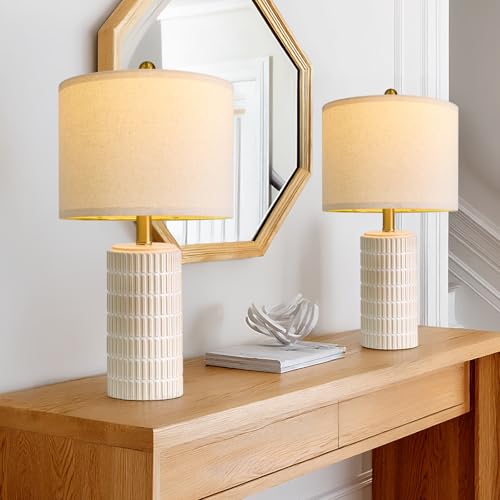
Wood accents, ceramic bases, and fabric shades bring warmth to a modern silhouette. This direction works well in rooms that mix contemporary lines with natural textures. A lamp with a wooden base or a textured ceramic body can tie together a bedside table and a wooden bed frame without feeling dated.
Integrated and Compact Designs
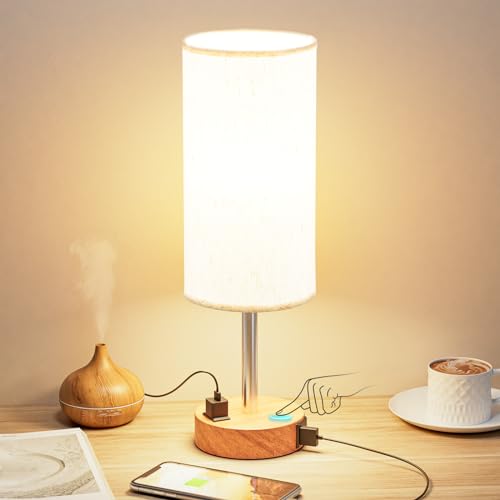
Some modern lamps combine the light with a small shelf, a wireless charging pad, or a USB port. These are practical for small bedrooms where every surface counts. If space is tight, a compact lamp with an integrated base can replace a separate charging dock and reduce clutter on the tabletop.
Design Coordination
Bedside tables come in many shapes, and the lamp should feel proportionate to the surface beneath it. A rectangular table often pairs well with a lamp that has a linear or rectangular shade, while a round table benefits from a rounded base. If you are still choosing the table itself, our guide to modern wood bedside tables and the ideas in decorating bedside tables can help you plan the pairing before you commit.
Controls and Smart Features
Controls are where modern lamps separate themselves from older designs. The right control scheme makes a lamp feel effortless; the wrong one adds friction to a routine you repeat every night.
- Touch dimming: a tap or hold on the base adjusts brightness. Convenient in the dark, though some touch sensors can be sensitive to accidental contact.
- Rotary or inline dimmers: a physical dial or switch gives precise, predictable control and rarely misfires.
- USB and USB-C ports: useful for charging a phone overnight. Check the output rating if you plan to charge larger devices.
- Wireless charging bases: reduce cable clutter, but confirm compatibility with your phone model and case.
- Smart connectivity: app or voice control can schedule warm light in the evening. This is a nice-to-have rather than a necessity for most sleepers.
Whatever the control type, test the lowest brightness setting if possible. Some dimmable lamps bottom out at a level that is still too bright for a dark room, which undermines the point of dimming.
Size and Placement
A bedside lamp should sit comfortably on the table without dominating it. As a rule of thumb, the lamp's total height, including the shade, should reach roughly eye level when you are seated on the bed, so the light falls on your reading material rather than into your eyes.
Leave enough clearance around the base for a glass of water, a book, or your phone. If your table is narrow, a slim base and a shade that does not overhang the edges will keep the setup stable. For very small rooms, a wall-mounted or clamp-style reading light can complement a table lamp and free up surface area.
Placement also affects glare. Position the lamp slightly to the side of your reading position rather than directly in front of you. If you share the bed, a lamp with a directional shade lets one person read while the other rests.
Comparing Lamp Tiers
Modern bedside lamps fall into broad quality tiers. The table below uses neutral tier descriptors rather than specific figures, so it stays useful over time. Match the tier to how heavily you will use the lamp and how much design coordination matters to you.
| Tier | Typical Characteristics | Best For |
|---|---|---|
| Entry-level | Simple on/off or basic dimming, standard materials, straightforward shapes | Guest rooms, first setups, occasional use |
| Mid-range | Smooth dimming, warm color temperature, sturdier bases, more refined finishes | Primary bedrooms with regular evening reading |
| Premium | Multi-temperature or tunable light, touch or app control, integrated charging, premium materials | Daily use where convenience and design both matter |
| Luxury | Designer silhouettes, high-grade materials, precise dimming, flagship feature sets | Statement bedrooms and design-led interiors |
Moving up a tier usually brings smoother dimming and better light quality before it brings extra features. If your priority is comfortable evening light, the jump from entry-level to mid-range is often the most meaningful step.
Pre-Purchase Checklist
Use this list to compare options quickly. It focuses on what affects daily use rather than marketing claims.
- Warm color temperature: confirm 2700K to 3000K, or a tunable range that includes warm white.
- Smooth dimming: check that the lowest setting is genuinely dim.
- Stable base: a weighted base resists tipping on a crowded table.
- Shade diffusion: fabric, frosted glass, or opal shades reduce glare.
- Proportion: the lamp should fit the table with room for daily items.
- Controls: choose touch, dial, or app based on how you use the lamp in the dark.
- Charging ports: verify output if you plan to charge overnight.
- Finish coordination: match metal, wood, or ceramic tones to your furniture.
Matching Your Bedroom Setup
A bedside lamp rarely stands alone. It sits within a small composition that includes the table, the bed, and often a rug and artwork. Thinking about that composition early prevents mismatches later.
If your bed is the visual anchor, let the lamp echo its lines. A modern platform bed pairs naturally with a low, sculptural lamp, while a mid-century bed suits warmer tones and tapered legs. For rooms built around a modern upholstered bed, a lamp with a fabric shade can repeat the softness of the headboard.
The table itself sets the scale. A modern narrow bedside table needs a compact lamp with a small footprint, while a rectangular bedside table can carry a wider shade. If you prefer a round surface, a small round bedside table works best with a rounded base that mirrors its shape. For taller setups, a tall narrow bedside table benefits from a lamp whose shade sits at reading height.
Finish choices matter too. A modern wood bedside table welcomes a lamp with wooden or ceramic accents, while a mid-century bedside table pairs well with brass or matte black stems. If your room leans traditional, a traditional bedside table can still host a modern lamp, as long as the shade shape stays simple.
Finally, consider the room as a whole. A traditional bedroom gains a fresh note from a clean-lined modern lamp, while a modern storage bed benefits from a lamp that keeps the surface uncluttered. Small touches, such as a modern bedroom bench or a modern dresser, can reinforce the same design language across the room.
Frequently Asked Questions
What should I look for in a modern bedside table lamp?
Prioritize adjustable brightness, warm color temperature, a stable base, and a shade that diffuses light softly. Touch controls, USB charging, and a design that complements your bedside table are useful bonuses, but lighting quality should come first.
What color temperature is best for a bedside lamp?
Warm white light around 2700K to 3000K is ideal because it supports relaxation and the body's natural wind-down process. Cooler temperatures are better suited to focused tasks and are generally less comfortable in the hour before sleep.
Do I need a dimmable bedside lamp?
A dimmable lamp is highly recommended. It lets you use brighter light for reading and then lower it for relaxation, which helps your body transition toward sleep. Smooth, stepless dimming is more useful than a simple two-step switch.
How do I match a bedside lamp to my bedroom style?
Choose finishes and shapes that echo your existing furniture. Minimalist rooms suit slim metal or matte designs, while warmer interiors pair well with wood, ceramic, or fabric shades. Proportion matters as much as style: the lamp should fit the table without crowding it.