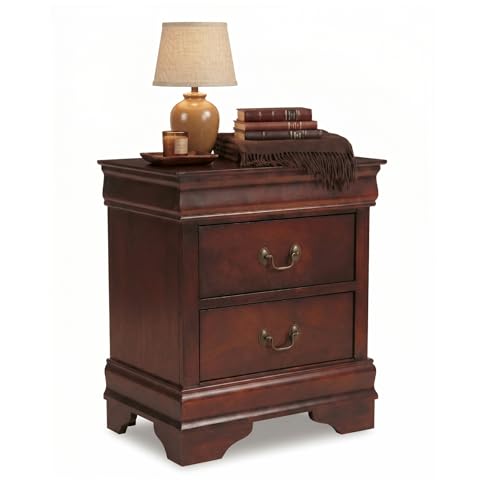
Traditional Bedside Table: A Complete Guide to Classic Nightstand Style
Explore the enduring charm of traditional bedside tables — from ornate wood detailing and carved legs to timeless silhouettes that bring warmth, character, and a sense of heritage to your bedroom.
Explore the GuideWhy Choose a Traditional Bedside Table? A traditional bedside table is more than a place to set your lamp and book — it is a defining piece that anchors your bedroom's aesthetic. With its rich wood tones, classic lines, and decorative details, a traditional nightstand bridges function and artistry, making it an ideal choice for those who value enduring design over passing trends.
What Defines a Traditional Bedside Table?
Traditional bedside tables draw from centuries of furniture-making heritage, particularly from European and American design traditions. Unlike sleek modern or minimalist nightstands, a traditional piece is characterized by craftsmanship that is meant to be seen and appreciated. The style is rooted in classical proportions, ornamental detailing, and a warm, inviting presence that pairs beautifully with upholstered beds and classic bedroom furniture.
Rich Wood Construction
Traditional nightstands are typically crafted from solid hardwoods such as mahogany, cherry, walnut, or oak. These woods develop a beautiful patina over time, deepening in character and warmth. Veneered surfaces are also common in mid-range and premium pieces, offering the look of fine wood with enhanced stability.
Ornamental Detailing
From hand-carved floral motifs and fluted columns to scalloped aprons and decorative moldings, traditional bedside tables embrace ornamentation. Brass or antique-finished hardware — such as bail pulls, drop handles, and keyhole escutcheons — adds a layer of old-world elegance.
Classic Silhouettes
Traditional nightstands often feature cabriole legs, turned posts, bracket feet, or bun feet. These sculptural base elements give the piece a sense of weight and permanence. Shaped tops, beveled edges, and serpentine fronts are additional hallmarks of the style.
Functional Storage
Most traditional bedside tables include one or more drawers — often with dovetail joinery — plus a lower shelf or cabinet space. This blend of open and closed storage keeps nighttime essentials organized while maintaining the piece's refined appearance.
Popular Traditional Sub-Styles
The "traditional" umbrella covers a range of distinct aesthetics. Understanding these sub-styles helps you match your bedside table to your broader bedroom design — whether you're furnishing a traditional bedroom or adding a classic accent to a more eclectic space.
French Country
French Country bedside tables embrace a relaxed, romantic version of traditional style. Look for gently curved legs, painted or distressed finishes, and subtle carved details. These pieces pair well with soft French country bedspreads and floral accents for a cohesive, inviting look.
Victorian & Antique-Inspired
Victorian-inspired nightstands are the most ornate within the traditional category, featuring elaborate carvings, marble tops, and dramatic hardware. For a more understated take, antique-inspired pieces borrow key details — such as turned legs and brass pulls — without overwhelming the space.
Colonial & American Heritage
Colonial-style bedside tables are characterized by clean lines, solid wood construction, and straightforward proportions. They often feature bracket feet, simple brass hardware, and a warm, medium-toned finish. This sub-style works especially well in bedrooms that blend traditional and transitional elements.
Georgian & Neoclassical
Georgian and neoclassical nightstands emphasize symmetry, balance, and restrained ornamentation. Fluted legs, inlaid veneers, and subtle geometric detailing are common. These pieces feel formal yet warm, making them a natural fit for king-size beds with bedside tables in a master suite.
Materials & Construction: What to Look For
The quality of a traditional bedside table is largely determined by its materials and joinery. Because traditional furniture is designed to last for decades, understanding construction details helps you evaluate whether a piece is a long-term investment or a short-lived addition.
| Tier | Materials & Construction | Best For |
|---|---|---|
| Entry-Level | Engineered wood with wood veneer, stapled or basic joinery, painted or laminated finish | Guest rooms, starter apartments, or temporary setups |
| Mid-Range | Solid wood frames with veneered panels, dovetail drawer joints, metal drawer glides, hand-finished details | Primary bedrooms, family homes, everyday use |
| Premium | Solid hardwood construction, traditional joinery (mortise-and-tenon, dovetail), hand-carved details, soft-close hardware | Master suites, long-term furnishings, design-focused spaces |
| Luxury | Exotic or rare hardwoods, custom carving, inlay work, marble tops, artisan-crafted hardware, heirloom-quality joinery | Estate homes, collector-grade furniture, statement pieces |
When evaluating a traditional nightstand, check the drawer interiors — dovetail joints are a sign of quality craftsmanship. Look for solid wood drawer boxes rather than particleboard, and test the drawer glides for smooth operation. For pieces with carved details, examine the crispness of the carving: hand-carved elements have subtle variations, while machine-carved details may appear overly uniform.
How to Choose the Right Traditional Bedside Table
Selecting a traditional bedside table involves balancing style, scale, and function. A piece that is too large will crowd your bed, while one that is too small may look out of proportion. Use the following checklist to guide your decision.
- Measure your space: The table should be roughly the same height as your mattress top or slightly lower. Width should complement your bed — typically 18 to 24 inches wide for a standard bed, wider for a king.
- Match the wood tone: Coordinate with your bed frame and other bedroom furniture. A cherry wood bedside table brings warmth, while painted or lighter finishes work well in French Country and Colonial settings.
- Consider storage needs: If you need space for books, glasses, medications, and charging cables, choose a model with at least one drawer and a lower shelf. A tall narrow bedside table can work well in tight spaces while still offering vertical storage.
- Evaluate hardware: Traditional pieces often feature distinctive hardware. Consider whether you want to keep the original brass or antique finish, or update it for a refreshed look.
- Think about longevity: A well-constructed traditional nightstand is a long-term investment. Solid wood construction and quality joinery ensure the piece can be passed down or repurposed over time.
Styling Your Traditional Bedside Table
A traditional bedside table offers a generous canvas for styling. Because the piece itself has visual weight and detail, keep accessories curated rather than cluttered. For inspiration, explore our guide on decorating bedside tables.
Layer with Lighting
A classic table lamp with a ceramic or brass base complements traditional style. A modern bedside table lamp can also work as a deliberate contrast piece, creating a balanced tension between old and new.
Add Texture
Introduce softness with a small tray, a linen runner, or a woven basket on the lower shelf. Textural contrast — such as smooth wood paired with a nubby throw or a ceramic vase — adds depth to the arrangement.
Keep It Functional
Reserve the top surface for essentials: a lamp, a book, a glass of water, and perhaps a small plant or framed photo. Use the drawer to hide small items and maintain a calm, uncluttered look.
Consider Symmetry
Traditional bedrooms often benefit from symmetrical bedside table arrangements. Matching tables on either side of the bed create a sense of order and formality that aligns with traditional design principles.
Where a Traditional Bedside Table Fits Best
Traditional nightstands are remarkably versatile. They are a natural companion to upholstered beds, panel beds, sleigh beds, and wood-framed beds. In a guest room, a traditional bedside table adds a welcoming, hotel-like quality. In a master suite, it reinforces a sense of calm and permanence. Even in a mostly modern bedroom, a single traditional nightstand can serve as a characterful accent piece, bridging old and new.
If you are furnishing a full bedroom set, consider pairing your traditional bedside table with a classic bed frame and complementary storage. For larger spaces, a king-size storage bed paired with traditional nightstands creates a cohesive, functional master retreat. For smaller rooms, a rectangular bedside table in a traditional style can maximize surface area without overwhelming the space.
Care & Maintenance for Traditional Wood Nightstands
Traditional wood furniture rewards regular care. Dust your bedside table weekly with a soft, dry cloth to prevent buildup. Avoid harsh chemical cleaners, which can strip finishes and dull the wood's natural luster. Instead, use a mild wood-safe polish every few months to nourish the surface. Keep the piece away from direct sunlight and heat sources to prevent fading and cracking. For pieces with brass hardware, a gentle brass polish can restore shine, though many traditional designs intentionally preserve a patina for character.
Frequently Asked Questions
What is the difference between a traditional and a modern bedside table?
Traditional bedside tables emphasize ornamentation, warm wood tones, and classical proportions — think carved legs, brass hardware, and shaped tops. Modern nightstands prioritize clean lines, minimal detailing, and often incorporate materials like metal, glass, or lacquered finishes.
Can I mix a traditional bedside table with a modern bed?
Yes. Mixing styles can create a curated, layered look. A traditional wood nightstand paired with a modern platform bed adds warmth and character. The key is to balance visual weight — if the bed is very minimal, the nightstand becomes the focal point of the pairing.
How tall should a traditional bedside table be?
Ideally, the top of the bedside table should sit level with or just below the top of your mattress. This makes it comfortable to reach items while lying in bed. For most beds, this means a height of roughly 24 to 28 inches.
Are traditional bedside tables still in style?
Absolutely. Traditional furniture has enduring appeal because it is rooted in craftsmanship and timeless design principles. Many contemporary interiors incorporate traditional pieces as grounding elements, and the style continues to be favored in classic, transitional, and eclectic bedrooms.
What wood is best for a traditional bedside table?
Mahogany, cherry, walnut, and oak are all excellent choices. Mahogany and cherry offer rich, warm tones with fine grain patterns. Walnut is darker and more dramatic, while oak is durable and takes stain well. The best choice depends on your existing furniture and the tone you want to achieve.
Ready to Bring Traditional Charm to Your Bedroom?
Browse our curated selection of traditional bedside tables and discover the perfect piece to complete your classic bedroom design.
View Traditional Bedside Tables