Organic Bedspread: Natural Comfort for a Healthier Bedroom
Explore how organic bedspreads combine breathable natural fibers, responsible manufacturing, and lasting comfort—so you can rest easier knowing exactly what touches your skin every night.
Explore Buying FactorsWhy organic matters: An organic bedspread is more than a decorative layer. It is the textile that sits closest to your body for hours each night. Choosing certified organic fibers reduces exposure to synthetic chemical residues while delivering breathability, moisture management, and a softer hand feel that improves with every wash.
What Makes a Bedspread Truly Organic?
The word “organic” on a label should mean something verifiable. A genuine organic bedspread is built from fibers grown without synthetic pesticides or fertilizers and processed through a supply chain that limits harmful chemicals. The most reliable signal is third-party certification, not marketing language.
Look for recognized certifications such as GOTS (Global Organic Textile Standard), which covers both the fiber origin and the processing stage, or Oeko-Tex Standard 100, which verifies that the finished textile is free from harmful substance residues. A bedspread carrying these marks has been independently audited rather than self-declared.
Fiber types you will encounter
- Organic cotton: The most common choice. Breathable, durable, and easy to care for. Long-staple organic cotton produces a smoother surface and resists pilling better than short-staple variants.
- Organic linen: Woven from flax, linen is highly breathable and naturally temperature-regulating. It has a textured, relaxed appearance and grows softer with each wash—ideal for warm sleepers.
- Organic wool: Naturally moisture-wicking and odor-resistant. Wool bedspreads suit cooler rooms and provide warmth without heavy weight.
- Organic bamboo lyocell: A regenerated cellulose fiber with a silky drape and strong moisture management. Processing quality varies widely, so certification matters even more here.
- Organic hemp: Exceptionally durable and breathable, with a rustic texture. Hemp is a long-term investment that withstands frequent washing.
If you are still deciding between a bedspread and a quilted cover, our guide to a matelasse bedspread explains how textured weaves differ in weight and drape from flat-woven organic styles.
Key Factors When Choosing an Organic Bedspread
Buyers researching this category usually already know they want a natural fiber. The remaining questions are about fit, weight, care, and how the bedspread will perform across seasons. Work through the factors below in order—they resolve most purchase uncertainty.
1. Certification and traceability
Start with certification. A GOTS label confirms organic fiber content plus restricted chemical use in dyeing and finishing. Oeko-Tex Standard 100 confirms the finished product is safe for skin contact. If a product claims organic status without either, treat the claim as unverified.
2. Weight and seasonality
Bedspreads range from lightweight summer covers to quilted layers suitable for colder months. A light flat-woven organic cotton bedspread works well in warm bedrooms and layers easily over a duvet in winter. Quilted organic styles add loft and warmth. Consider whether you want a single year-round layer or a piece designed to be part of a layered bedding system.
3. Size and drop
Measure your mattress before ordering. Bedspreads are typically sized to drape over the sides, and the drop length determines whether the look is tailored or relaxed. For larger mattresses, an oversized king bedspread provides generous coverage without a short hang. If you prefer a specific color story, a navy blue bedspread shows how a single tone can anchor the room.
4. Weave and hand feel
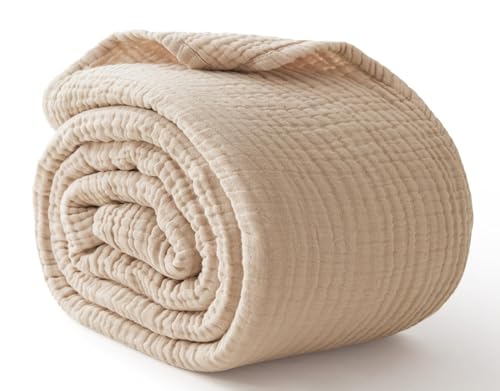
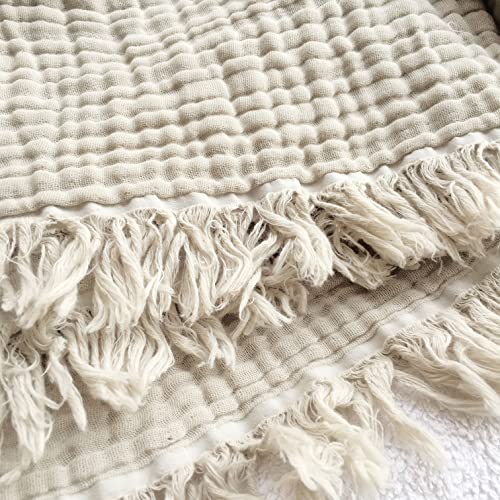
Plain weave produces a crisp, breathable surface. Percale-style organic cotton feels cool and matte. Sateen weaves are smoother and slightly more reflective. Waffle and quilted constructions add texture and visual depth while trapping a little more air for warmth.
5. Care requirements
Organic fibers generally tolerate machine washing, but temperature and drying method affect longevity. Cold or warm washing with a mild detergent preserves fiber strength. Line drying or low-heat tumble drying reduces shrinkage. Linen softens with washing; cotton may shrink slightly on the first wash, so check pre-shrunk labeling.
6. Color and dye method
Low-impact reactive dyes and fiber-reactive dyes are standard in certified organic production. Undyed and naturally colored options exist for buyers who want the lowest possible processing footprint. Consider how the color will interact with your existing bedding—for example, a tropical bedspread introduces pattern, while a plaid bedspread adds a structured, classic look.
Comparing Organic Bedspread Tiers
Organic bedspreads differ mainly in fiber quality, weave density, certification depth, and finishing. The table below uses universal quality tiers rather than any numeric reference, so the comparison stays useful over time.
| Tier | Typical Characteristics | Best For |
|---|---|---|
| Entry-level | Organic fiber content with basic certification; simpler weaves; lighter weight; standard finishing | First organic purchase, guest rooms, seasonal layering |
| Mid-range | Long-staple organic cotton or linen; tighter weave; dual certification; reinforced seams; pre-shrunk | Daily use in primary bedrooms; buyers wanting durability with breathability |
| Premium | Premium long-staple fibers; denser weave; low-impact dyeing; detailed finishing; strong shape retention | Year-round use; design-conscious bedrooms; long-term ownership |
| Luxury | Flagship fiber selection; artisanal weaving; full traceability; exceptional hand feel and drape | Statement bedding; buyers prioritizing tactile quality and longevity |
In practice, mid-range organic bedspreads offer the most balanced combination of certification, durability, and everyday comfort for most households. Entry-level options are a sensible way to test whether organic fibers suit your sleep environment before committing to a premium piece.
Organic vs. Conventional Bedspreads: What Actually Changes
The functional difference between organic and conventional bedspreads comes down to fiber origin and processing chemistry. Organic cotton is grown without synthetic pesticides, and certified processing restricts the finishing agents used. For sleepers with sensitive skin or respiratory concerns, that reduction in chemical residue is the primary benefit.
Performance differences are subtler. Organic cotton and linen behave much like their conventional counterparts in terms of breathability and durability—the advantage is in what is absent, not in a dramatically different feel. Where organic production does stand out is in consistency: certified supply chains tend to enforce tighter quality control on fiber length and weave density.
One practical consideration is care. Organic fibers are not inherently more delicate, but some low-impact dye processes produce slightly different color fastness. Following the care label—especially regarding wash temperature—keeps colors stable and extends the bedspread’s usable life.
Styling an Organic Bedspread in Your Bedroom
Organic textiles pair naturally with muted, earthy palettes and textured materials. A few approaches that work consistently:
- Layer tone on tone: Combine an undyed or oatmeal organic bedspread with slightly darker sheets for a calm, cohesive bed.
- Mix weaves: Pair a flat-woven organic cotton bedspread with a quilted or waffle-textured throw to add depth without pattern.
- Anchor with a solid color: A terracotta king size bedspread warms a neutral room and works well with wood furniture.
- Coordinate the frame: Organic textiles look especially considered on natural materials. A rattan bedstead or a panel bed complements the texture of linen and cotton.
- Keep the foundation simple: On a platform bed with headboard, a single organic bedspread with a clean drape reads as intentional and uncluttered.
For smaller rooms, keep the bedspread light in color and avoid excessive layering—see our notes on small bedroom decor for space-conscious styling. If your bedding palette leans toward contrast, a pink and black bedspread shows how a bolder scheme can still work with natural textures.
Caring for an Organic Bedspread
Proper care is what separates an organic bedspread that lasts several seasons from one that loses shape after a year. The basics:
- Wash less often than sheets. Bedspreads sit above the body and collect less oil and sweat. A wash every two to four weeks is usually sufficient.
- Use a mild, pH-neutral detergent. Harsh detergents and optical brighteners degrade natural fibers and dull low-impact dyes.
- Choose the right temperature. Cold or warm water protects fiber strength. Hot water accelerates shrinkage and fading.
- Dry carefully. Line drying preserves shape best. If using a dryer, select low heat and remove the bedspread while slightly damp to reduce wrinkling.
- Store clean and dry. Fold loosely, avoid plastic bags that trap moisture, and keep away from direct sunlight during long storage.
If your bedspread includes a quilted or padded layer, check whether the filling is also certified organic. A mattress encasement guide can help you build a complete protective bedding system that keeps the entire sleep surface cleaner for longer.
Frequently Asked Questions
Is an organic bedspread worth choosing over a conventional one?
For sleepers with sensitive skin or chemical sensitivities, yes—certified organic textiles reduce exposure to processing residues. For others, the decision comes down to whether the certification and fiber quality justify the position in the market. Mid-range certified options offer a balanced entry point.
How can I tell if an organic claim is genuine?
Look for third-party certification marks on the product page or label. GOTS covers fiber and processing; Oeko-Tex Standard 100 covers finished-product safety. Claims without a certifying body behind them cannot be verified independently.
Do organic bedspreads shrink?
Natural fibers can shrink slightly on the first wash, particularly cotton. Pre-shrunk and pre-washed organic options minimize this. Washing cold and line drying keeps shrinkage to a minimum.
Are organic bedspreads suitable for warm climates?
Yes. Organic cotton and linen are highly breathable and wick moisture, making them well suited to warm bedrooms. A lightweight flat-woven organic cotton bedspread is the most ventilated option.
Can an organic bedspread be layered with a duvet?
Absolutely. A flat-woven organic cotton bedspread works as a summer cover on its own and as a top layer over a duvet in colder months. Layering extends the usable range of a single piece across the year.
Ready to Compare Organic Bedspreads?
Browse certified organic options selected for breathability, durable construction, and everyday comfort. Compare features and find the layer that fits your bedroom and sleep style.
Compare Features