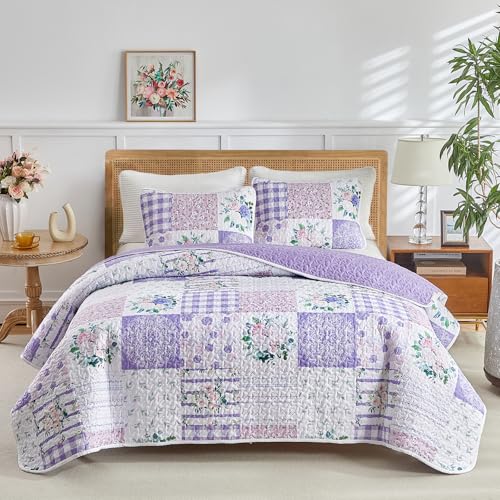
Purple and Green Bedspread: A Complete Buying & Styling Guide
Discover how to pair these two rich tones for a balanced, restful bedroom that looks intentional rather than accidental.
EXPLORE THE GUIDEWhy purple and green? This pairing sits at the intersection of warmth and calm. Purple brings depth and a hint of luxury, while green grounds the room with a natural, restful quality. When chosen deliberately, a purple and green bedspread can make a bedroom feel curated, cohesive, and genuinely comfortable to unwind in.
Why Purple and Green Work Together in a Bedroom
On the color wheel, purple and green sit near each other, which means they share cool undertones and blend more naturally than many people expect. Purple leans toward the creative and calming end of the spectrum, while green is widely associated with balance, freshness, and rest. Together, they can create a bedroom that feels grounded without being dull and expressive without being chaotic.
The key is contrast control. A bright violet paired with a saturated forest green can overwhelm a small room, while a dusty lavender with a soft sage keeps things airy and easy to live with. Many shoppers researching this color combination are already leaning toward a specific mood, so the sections below break down how to match the pairing to the look you actually want. If you are still exploring related options, our broader guide to purple bedspreads covers the full range of shades, sizes, and fabric directions.
Choosing the Right Shade Combination
Not all purples and greens behave the same way in a room. Light and muted tones tend to recede, while deep and saturated tones advance. The table below offers a practical starting point based on the overall mood you want the bedroom to convey.
| Mood | Purple Shade | Green Shade | Best For |
|---|---|---|---|
| Calm and airy | Lavender, lilac | Sage, mint | Small bedrooms, bright natural light |
| Balanced and versatile | Dusty violet, mauve | Olive, soft fern | Most bedrooms, year-round styling |
| Rich and dramatic | Plum, aubergine | Emerald, forest green | Larger rooms, evening ambiance |
| Playful and modern | Orchid, fuchsia-leaning purple | Lime, chartreuse | Guest rooms, creative spaces |
If the bedroom already has strong wall color or bold furniture, a muted pairing is usually the safer choice. If the room is neutral and needs a focal point, a deeper combination gives the bedspread room to carry the design. For a full-size bed, the same principles apply but the proportions change slightly — see our notes on purple bedspreads in full size for sizing-specific guidance.
Fabric, Texture, and Construction
Color gets attention, but fabric determines how a bedspread actually feels and how long the color holds up. For a two-tone look like purple and green, texture also helps separate the shades so they do not visually blend into a single muddy block.
Common Fabric Directions
- Quilted cotton: Breathable, easy to maintain, and holds dye evenly, which is important when two distinct colors are involved.
- Linen blends: A relaxed, slightly textured surface that softens the contrast between purple and green and works well in warm climates.
- Velvet: Adds depth and a premium feel, especially in deeper shades like plum and emerald. Best suited to cooler months or rooms with controlled lighting.
- Matelasse: A woven, textured surface that gives the bedspread a tailored appearance without requiring bold patterns. Our Portuguese matelasse bedspreads guide covers this style in more detail.
Quality Tiers to Consider
Rather than thinking in terms of numbers, it helps to understand how bedspreads are positioned in the market. The tiers below describe relative construction and finish, not a specific amount.
Entry-Level Tier
Simple woven or printed construction, lighter weight, and fewer finishing details. A reasonable starting point for guest rooms or seasonal rotation.
Mid-Range Tier
Better fabric density, more consistent dye work, and reinforced stitching. A solid choice for everyday use where color fastness matters.
Premium Tier
Higher-grade cotton or linen blends, tighter weave, and more precise color matching between the purple and green panels. Built for long-term use.
Luxury Tier
Considered detailing such as bound edges, hand-finished quilting, and richer surface texture. A long-term investment for a primary bedroom.
How to Style a Purple and Green Bedspread
A two-color bedspread can either anchor the room or compete with it. The difference usually comes down to how the surrounding elements are handled. The following approach keeps the focus on the bed without letting the palette take over.
Styling Checklist
- Keep walls and major furniture in neutral tones so the bedspread remains the focal point.
- Repeat one of the two colors in smaller accents — a throw, a lamp base, or a single cushion — to tie the room together.
- Layer pillows in a mix of both shades to bridge the two colors rather than isolating them.
- Use a textured throw at the foot of the bed to add depth without introducing a third strong color.
- Choose bedding underneath the bedspread in white or cream to give the eye a place to rest.
- Consider the room's light: deep purples and greens read darker in low light, so test fabric swatches in the actual room if possible.
For a coordinated look, some shoppers prefer to buy a set rather than a single bedspread. Our guide to purple bedspread sets explains what typically comes included and how to match shams and accents. If the goal is a seasonal refresh rather than a full redesign, a smaller accent like a plaid bedspread layered at the foot of the bed can introduce texture without committing to the full color pairing.
Size and Fit Considerations
Fit is often overlooked when shopping for a statement bedspread. A purple and green bedspread that is too small will expose the sheets and break the visual balance, while one that is too large will pool on the floor and hide the bed frame. Measure the mattress depth, the drop you want on each side, and the foot of the bed before choosing.
- Twin: Common for kids' rooms and guest beds; the color pairing can be scaled down with lighter shades.
- Full: A frequent choice for smaller primary bedrooms; see our purple and blue bedspread guide for a comparison of alternate pairings.
- Queen: The most common size; our queen purple bedspread page covers fit details for this size.
- King: Requires a wider drop; our purple bedspreads in king size guide addresses proportion and drape.
Who Should Consider a Purple and Green Bedspread
This pairing tends to suit people who want a bedroom that feels designed but not themed. It works especially well for:
- Homeowners refreshing a primary bedroom without repainting the walls.
- Renters who want a renter-friendly way to add color through bedding rather than permanent fixtures.
- Anyone styling a guest room that should feel welcoming and a little more considered than plain white.
- Shoppers who already own green or purple accents and want a bedspread that ties them together.
If you are drawn to purple but unsure about green, a monochrome approach may be a better fit. Our guide to purple flower bedspreads explores a more pattern-led alternative. If the room leans toward warmer metals and accents, the purple and gold bedspread pairing offers a different mood.
Common Mistakes to Avoid
- Choosing two equally saturated shades. Balance is easier when one color leads and the other supports.
- Ignoring the room's light. Deep tones can look almost black in north-facing rooms with limited daylight.
- Skipping the swatch stage. Fabric color varies by material; a swatch in the actual room prevents surprises.
- Over-accessorizing. A two-color bedspread already provides visual interest; additional bold patterns can compete with it.
- Forgetting the bed skirt or base. The area below the bedspread affects the overall silhouette, so plan for it alongside the bedding.
Care and Longevity
Two-tone bedspreads benefit from careful laundering to prevent uneven fading. Wash in cool water, use a gentle cycle, and avoid prolonged direct sunlight during drying. Quilted cotton and linen blends generally tolerate regular washing better than velvet, which is usually best spot-cleaned or dry-cleaned depending on the manufacturer's instructions. Rotating the bedspread periodically also helps distribute wear evenly.
Frequently Asked Questions
What shades of purple and green work best together in a bedspread?
Soft lavender and sage create a calm, balanced look, while deep plum and emerald add drama and depth. Muted tones generally blend more easily with existing bedroom decor.
How can I style a purple and green bedspread without overwhelming the room?
Keep surrounding walls and furniture neutral, repeat one of the two colors in small accents, and use layering such as pillows and throws to bridge the two shades.
Which fabric types suit purple and green bedspreads?
Quilted cotton and linen blends hold color well and work across seasons, while velvet and matelasse add texture and a more premium feel for cooler months.
What bedspread sizes are commonly available for this color pairing?
Full, queen, and king sizes are the most common, with twin and California king options available depending on the brand and collection.
Final note: A purple and green bedspread is a deliberate choice, and it rewards a little planning. Match the shades to the room's light, choose a fabric that suits your climate, and keep the surrounding palette calm. Done well, the pairing reads as thoughtful and restful — exactly what a bedroom should be.