What Makes Portuguese Matelasse Bedspreads Different?
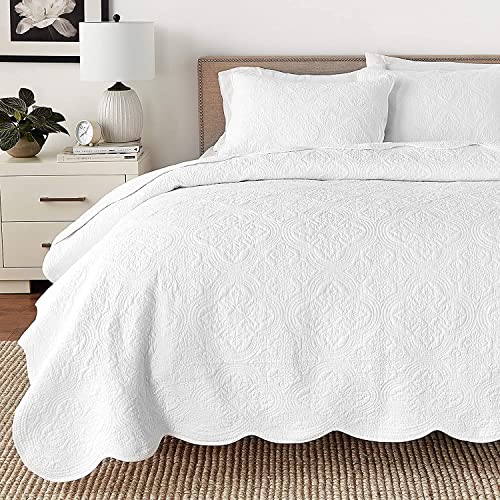
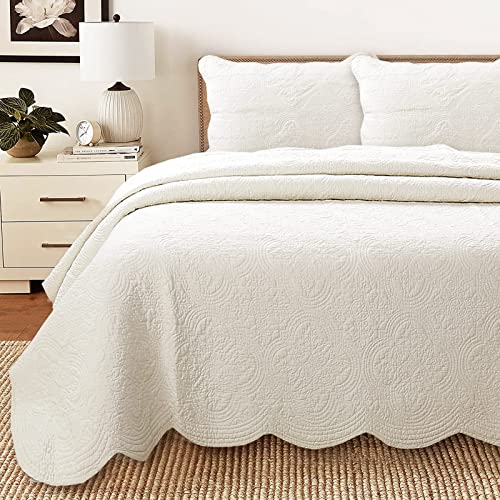
Portuguese matelasse bedspreads are woven on specialized jacquard looms that create a quilted effect through a double-cloth weaving process. Unlike printed quilts or stitched coverlets, matelasse fabric is woven with two or more layers of yarn that are bound together at intervals. The result is a raised, sculpted pattern that is integral to the fabric itself — not applied afterward.
This construction gives Portuguese matelasse its characteristic benefits: a soft hand that improves with washing, excellent breathability, and a weight that feels substantial without being heavy. Many buyers begin their research with a broader look at matelasse bedspreads before narrowing down to the Portuguese-specific style.
Key Characteristics
- Double-cloth weave: Two layers of fabric are woven together with binding points that create the quilted pattern.
- Raised texture: The puckered surface adds visual depth and a tactile quality that flat-weave coverlets lack.
- Natural fibers: Many Portuguese matelasse bedspreads use cotton or cotton-blend yarns for breathability and softness.
- Lightweight warmth: Ideal as a layering piece in warmer months or as a top cover in cooler seasons.
- Minimal care: Most are machine washable, and the texture becomes softer with use.
Understanding the Quality Tiers
Portuguese matelasse bedspreads are available across a range of construction qualities. Rather than focusing on numeric figures, use these universal tier descriptors to understand where a product sits in the market.
Essential Tier
Simpler single-cloth or low-density double-cloth construction. Suitable for guest rooms, seasonal use, or first-time buyers exploring the matelasse look. Patterns may be simpler and the hand slightly firmer at first.
Balanced Tier
Denser double-cloth weaving with more detailed jacquard patterns. Softer yarns and better drape than entry-level. A solid choice for daily use in primary bedrooms and a good balance of durability and comfort.
Top-Tier
High-density construction with fine yarns, intricate heritage patterns, and a softer finish from the first wash. These pieces are often considered a long-term investment for their durability and refined hand.
Fabric and Weave Options
The fiber content and weave density determine how a matelasse bedspread feels, drapes, and performs over time. Here is what to look for:
| Fabric Type | Best For | Care & Durability Notes |
|---|---|---|
| 100% Cotton Matelasse | Breathability, year-round use, sensitive skin | Machine washable; softens with each wash; excellent long-term durability |
| Cotton-Poly Blend | Wrinkle resistance, easy care, guest rooms | Retains shape well; less breathable than pure cotton; simplified laundering |
| Linen-Blend Matelasse | Relaxed, textured look; warm climates | Naturally moisture-wicking; may require gentler wash cycles; develops character over time |
| Heavyweight Double-Cloth | Cooler rooms; a more substantial feel | Dense weave; slower to dry; very durable with proper care |
Sizing and Fit: Getting It Right
Matelasse bedspreads are typically designed to drape over the sides of the bed, so accurate sizing matters. Measure your mattress width, length, and depth (including any topper) before selecting a size. Consider these common categories:
- Full/Queen: The most common size; confirm whether the spread is designed for a full or queen bed, as dimensions vary between brands.
- King: Look for spreads labeled for king beds with adequate drop on all sides; some are cut generously for a fuller drape.
- Oversized: If you prefer a draped, floor-length look or have a deep mattress, an oversized cut may be the better fit.
- Twin/Full: Common for guest rooms and children's rooms; check the drop measurement to avoid a too-short look.
If you are also refreshing the rest of your bedding, explore complementary options such as organic bedspreads and tropical bedspreads to coordinate textures and tones.
Styling Portuguese Matelasse in Your Bedroom
Matelasse's sculpted texture works as a standalone statement or as a layer beneath a duvet. Here are a few styling approaches:
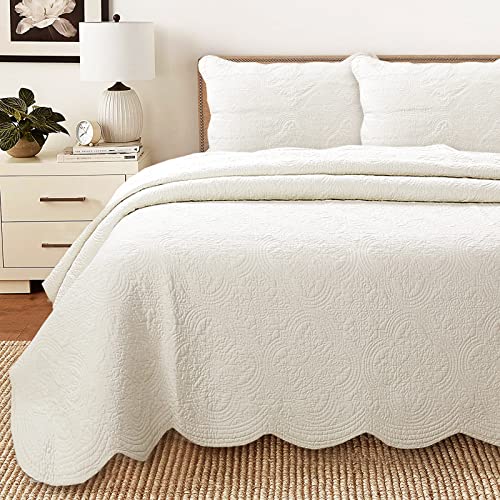
- Minimalist neutral: Pair a white or ivory matelasse with crisp cotton sheets and a simple linen throw. The texture does the visual work without extra pattern.
- Color-led: A matelasse in a deeper tone — think navy blue bedspread or terracotta king-size bedspread — anchors the room and pairs well with natural wood furniture.
- Layered pattern: Combine a matelasse with a complementary quilt or patterned throw for a collected, cozy look.
- Seasonal swap: Use matelasse alone in warmer months and as a mid-layer under a duvet in cooler seasons.
For more bedroom styling ideas, see our guides on small bedroom decor and modern bedding for platform beds.
Care and Longevity
Portuguese matelasse is generally easy to maintain, but a few habits extend its life:
- Follow the care label; most cotton matelasse is machine washable in cold or warm water.
- Use a gentle cycle and avoid overloading the machine to protect the weave.
- Tumble dry on low or line dry; high heat can shrink cotton and flatten the raised texture.
- Store folded in a dry place; avoid prolonged compression that can crush the quilted pattern.
- Use a mattress encasement guide reference if you are also protecting the mattress beneath your bedding.
Frequently Asked Questions
Is matelasse the same as a quilt?
No. A quilt is typically stitched through layers of fabric with visible stitching lines. Matelasse is woven so the quilted effect is created during the weaving process, with no visible stitching on the surface. This gives it a smoother, more sculpted appearance.
Are Portuguese matelasse bedspreads warm enough for winter?
They are generally lightweight to medium-weight. In colder months, matelasse works well as a layering piece beneath a duvet or heavier blanket. For year-round warmth in cool climates, look for a denser double-cloth construction.
How do I choose between cotton and a blend?
Pure cotton offers the best breathability and softens beautifully over time, making it a strong choice for daily use. A cotton-poly blend resists wrinkles and requires less fuss, which can suit guest rooms or households that prefer simplified laundering.
Will the texture flatten after washing?
With proper care — gentle cycles and low-heat drying — the raised pattern holds up well. Over many years of heavy washing, some softening is normal, but quality matelasse retains its sculpted character.
What size should I choose for a deep mattress?
Measure the mattress depth including any topper, then add your preferred drop on each side. If standard sizes leave too little drape, look for an oversized cut designed for deeper mattresses.
Final Checklist Before You Buy
- Confirm the fabric content and weave density match your climate and care preferences.
- Measure your mattress and decide on your preferred drop length.
- Check whether the spread is designed for your bed size (full vs. queen dimensions differ).
- Review the care instructions to ensure they suit your routine.
- Consider how the color and texture will coordinate with your existing bedding and furniture.
With these points in hand, you are ready to choose a Portuguese matelasse bedspread that brings both heritage craftsmanship and everyday comfort to your bedroom.