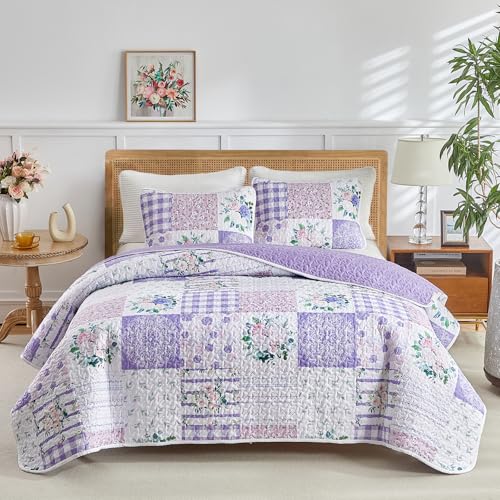
Purple Bedspreads Full: Your Complete Buying Guide
Everything you need to know before choosing a full-size purple bedspread — fabrics, styles, fit, care, and how to match your bedroom decor with confidence.
Explore Top PicksWhy purple? Purple is one of the most versatile and calming colors for a bedroom. It blends the serenity of blue with the warmth of red, creating an atmosphere that promotes relaxation. A full-size purple bedspread can instantly transform your bedroom into a restful retreat — but only if you choose the right fabric, fit, and style. This guide walks you through every decision you need to make.
Why a Purple Bedspread for a Full Bed?
A full bed (also known as a double bed) measures 54 inches wide by 75 inches long — a popular size for guest rooms, teenagers' rooms, and smaller master bedrooms. Choosing a purple bedspread for this size gives you a unique opportunity to anchor the room's color palette without overwhelming the space.
Purple works across a wide spectrum of interior styles. Soft lavender and lilac create a calm, airy feel that pairs beautifully with light wood furniture and white walls. Deep plum and aubergine add drama and sophistication, making them ideal for a more formal or moody bedroom. Mid-tone shades like violet and amethyst sit comfortably in between, offering enough presence to be noticed while remaining easy to coordinate.
Beyond aesthetics, purple has psychological associations with creativity and calm. Many people find that a purple-accented bedroom feels more personal and inviting than neutral alternatives. If you are building a coordinated look, consider pairing your bedspread with complementary pieces like a marble bedside table or a rattan bedstead for a natural, textural contrast.
Choosing the Right Fabric for Your Purple Bedspread
The fabric you choose determines not only how your bedspread looks but also how it feels, how it wears, and how easy it is to care for. Here is a breakdown of the most common options for full-size purple bedspreads.
Cotton
Cotton is breathable, durable, and easy to wash — making it a solid choice for everyday use. A cotton purple bedspread works well in warmer climates and for anyone who tends to sleep warm. Look for combed or long-staple cotton for a smoother finish that resists pilling over time.
Polyester and Microfiber
Polyester blends are wrinkle-resistant, colorfast, and generally hold their shape well after repeated washing. They are a practical option for guest rooms or households with children. If you want a purple bedspread that maintains its rich color with minimal effort, a microfiber blend in a mid-range tier is a reliable choice.
Linen
Linen offers a relaxed, textured look that suits casual and coastal-inspired bedrooms. It breathes exceptionally well and softens with every wash. A linen purple bedspread in a lighter shade — think heather or dusty lavender — brings a natural, understated elegance to a full bed.
Velvet and Velour
For a more luxurious feel, velvet and velour bedspreads add depth and richness to the color. Purple velvet in particular catches the light beautifully, creating a sense of warmth and opulence. These fabrics are best suited to decorative or seasonal use rather than heavy daily wear, and they typically require dry cleaning or gentle hand washing.
Quilted and Matelassé
Quilted bedspreads add a layer of texture and insulation without the bulk of a comforter. Matelassé — a woven fabric with a raised, quilted pattern — is a classic choice for full-size beds because it drapes neatly and holds its shape. If you like the matelassé look, explore our guide to matelassé bedspreads for more detail on this distinctive style.
| Fabric | Best For | Care Level | Breathability |
|---|---|---|---|
| Cotton | Everyday use, warm sleepers | Machine washable | High |
| Polyester / Microfiber | Guest rooms, easy maintenance | Machine washable | Moderate |
| Linen | Casual, relaxed bedrooms | Machine washable (gentle) | Very high |
| Velvet / Velour | Decorative, luxury feel | Dry clean or hand wash | Low |
| Quilted / Matelassé | Texture and light insulation | Machine washable | Moderate to high |
Getting the Fit Right: Full-Size Bedspread Dimensions
A full mattress measures 54" × 75". To achieve proper drape on the sides and at the foot of the bed, your bedspread should be larger than the mattress itself. A typical full-size bedspread measures around 80" × 110", though exact dimensions vary by manufacturer and style.
If you prefer a tailored look where the bedspread stops just below the mattress edge, a coverlet-style spread may be sufficient. For a more traditional drape that reaches toward the floor, choose a bedspread with generous drop — at least 15 to 20 inches on each side. Always check the product specifications rather than assuming a "full" label guarantees the right coverage.
If your full bed sits inside a frame with a footboard or side rails, account for those obstructions. A bedspread that tucks neatly behind a footboard looks cleaner than one that bunches against it. For platform-style setups, consider how the spread will interact with the frame — our guide to platform beds covers frame profiles that pair well with draped bedding.
Matching Your Purple Bedspread to Your Bedroom Style
Purple is remarkably adaptable, but the shade you choose should harmonize with the rest of the room. Here are some proven combinations for a full-size bed.
Soft Lavender + White + Light Wood
This combination creates a fresh, Scandinavian-inspired look. A lavender or lilac bedspread on a full bed pairs naturally with white walls, birch or oak furniture, and simple cotton curtains. Add a textured throw in cream or pale gray for extra warmth without disrupting the calm palette.
Deep Plum + Navy + Brass Accents
For a more sophisticated, evening-friendly bedroom, combine a deep plum bedspread with navy accents and warm metallic touches. A navy blue bedside table can bridge the two colors effectively, while brass or gold lamp bases add a subtle glow. This palette works especially well in rooms with limited natural light.
Amethyst + Gray + Matte Black
A modern, urban-inspired scheme. Pair an amethyst bedspread with charcoal gray walls, matte black furniture, and white bedding layers. The result is crisp and contemporary — ideal for a teenager's room or a guest bedroom with a modern edge.
Purple as an Accent
If a full purple bedspread feels like too much commitment, consider a neutral base with purple accents instead. A white or cream quilted spread topped with purple pillows and a purple throw blanket delivers the color impact with less visual weight. This approach works well in small bedroom decor schemes where lighter surfaces help the room feel larger.
For more color inspiration, browse our guides to a navy blue bedspread or a pink and black bedspread to see how different color stories come together in a full-size bedroom.
Caring for Your Purple Bedspread
Purple dyes can be sensitive to heat, harsh detergents, and prolonged sun exposure. To keep your bedspread looking rich and even in color, follow these care guidelines.
- Wash in cold water on a gentle cycle to minimize color bleeding and fabric stress.
- Use a color-safe detergent and avoid bleach or optical brighteners, which can dull or shift purple tones.
- Air dry when possible. If using a dryer, choose low heat and remove the bedspread while slightly damp to prevent overdrying.
- Rotate the spread periodically so that sunlight and wear are distributed evenly across the surface.
- Store folded, not hung, to avoid stretching. Keep in a cool, dry place away from direct sunlight.
If your bedspread has decorative stitching, quilting, or embroidery, check the care label before washing — some embellished styles require gentler handling. For deeper cleaning guidance on bedding in general, see our organic bedspread care notes, which apply many of the same principles.
Related Bedroom Considerations
A bedspread is only one part of a well-designed bedroom. If you are refreshing your full-size bed setup, these related topics may help you complete the look.
Layer With the Right Sheets
Your bedspread sits on top of your sheets, so the two should work together. A crisp white or pale gray sheet set provides a clean foundation that lets the purple stand out. If you prefer a tonal look, choose sheets in a lighter shade of the same purple family.
Protect Your Mattress
A mattress protector underneath your sheets extends the life of your mattress and keeps your bedding fresher. Our mattress encasements guide explains the difference between protectors and encasements and helps you choose the right layer.
Complete the Bedroom
Once the bed is styled, consider the surrounding furniture. A mid-century bedside table or a narrow bedside table with storage can balance the visual weight of a full bed without crowding the room. If you are still choosing a bed frame, our panel beds guide covers a classic style that pairs well with draped bedspreads.
Frequently Asked Questions
What size bedspread fits a full bed?
A full mattress is 54" × 75". Look for a bedspread labeled for full size with dimensions around 80" × 110" for a traditional drape. Always verify the actual dimensions rather than relying on the size label alone.
Is purple a good color for a bedroom?
Yes. Purple is associated with calm and relaxation, making it a strong choice for bedrooms. Softer shades like lavender feel airy and restful, while deeper shades like plum add warmth and drama. The key is to match the shade to your room's lighting and existing decor.
How do I keep a purple bedspread from fading?
Wash in cold water with a color-safe detergent, avoid direct sunlight during drying, and rotate the spread regularly so that any sun exposure is even. Keeping curtains or blinds partially closed during peak sun hours also helps preserve the color.
Can I use a full-size bedspread on a queen bed?
Generally no. A queen mattress is 60" × 80", which is wider and longer than a full. A full-size bedspread will not provide adequate drop on a queen bed. Choose a bedspread sized for queen if your mattress is queen.
What is the difference between a bedspread and a comforter?
A bedspread is typically a lighter, thinner cover that drapes over the entire bed, often reaching toward the floor. A comforter is thicker and filled, designed mainly for warmth. Many people use a bedspread as a decorative top layer and a comforter or quilt underneath for insulation.
How often should I wash my bedspread?
Wash your bedspread every two to four weeks, or more often if you have pets, allergies, or night sweats. Regular washing keeps the fabric fresh and prevents the buildup of dust and oils that can dull the color.