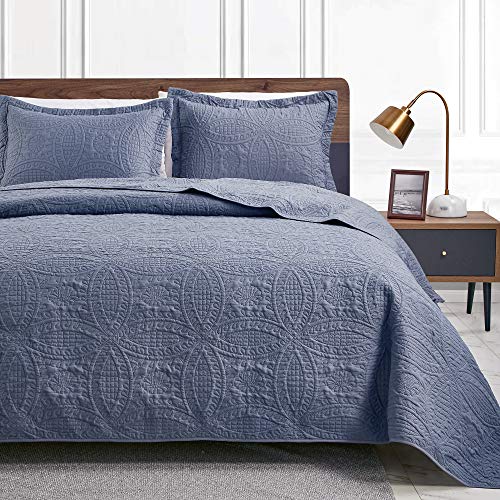
Queen Comforters & Bedspreads: Your Complete Buying Guide
Everything you need to know about choosing the perfect queen comforter or bedspread — from materials and styles to sizing, care, and bedroom styling tips.
Why Queen Comforters & Bedspreads Matter: The right comforter or bedspread doesn't just complete your bedroom's look — it directly affects how well you sleep. A poorly chosen cover can trap heat, feel uncomfortable against your skin, and wear out quickly. This guide walks you through every decision point so you can choose with confidence.
Whether you prefer the plush loft of a comforter or the tailored drape of a bedspread, this guide covers materials, warmth levels, sizing, style options, and maintenance to help you find the ideal match for your queen bed.
Comforter vs. Bedspread: Understanding the Difference
Before you start shopping, it's important to understand how comforters and bedspreads differ. Though the terms are sometimes used interchangeably, they serve distinct purposes and offer different aesthetics.
Queen Comforters
A comforter is a thick, quilted blanket filled with down, down alternative, or synthetic fibers. It's designed for warmth and usually used with a duvet cover or as a standalone top layer. Comforters tend to be fluffier and offer more loft, making them ideal for colder climates or sleepers who love a cozy, cloud-like feel. They typically cover the top of the bed and drop slightly over the edges.
Queen Bedspreads
A bedspread is a lighter, thinner cover that drapes all the way to the floor, covering the entire bed including the mattress sides and sometimes the pillows. Bedspreads offer a clean, tailored look and are excellent for hiding under-bed storage or an older mattress. They're generally less bulky than comforters and work well in warmer rooms or for sleepers who prefer a streamlined appearance.
Key Differences at a Glance
| Feature | Comforter | Bedspread |
|---|---|---|
| Thickness | Thick, lofty, quilted | Thin, lightweight |
| Coverage | Top of bed with slight overhang | Drapes to floor, covers mattress sides |
| Warmth | Higher warmth, ideal for cool rooms | Moderate warmth, better for mild climates |
| Style | Relaxed, plush, layered look | Tailored, clean, traditional |
| Maintenance | Often machine washable; may require large-capacity machines | Easier to launder due to lighter weight |
| Best For | Cold sleepers, cozy bedrooms, layered styling | Warm sleepers, minimalist bedrooms, hiding bed bases |
Many people actually use both — a lightweight bedspread in summer and a plush comforter in winter. If you're building a versatile bedding collection, consider starting with a mid-weight comforter and adding a quilted bedspread for warmer months.
Choosing the Right Material for Your Queen Comforter or Bedspread
The material of your comforter or bedspread affects breathability, durability, warmth, and how it feels against your skin. Here's a breakdown of the most common options:
Natural Fill Materials
- Down: The gold standard for warmth-to-weight ratio. Down comforters are incredibly lofty and breathable, but they require special care and may trigger allergies in some sleepers. Look for responsible down standards if you choose this option.
- Down Alternative: Synthetic fibers that mimic down's loft and softness. These are hypoallergenic, easier to clean, and typically more durable. Modern down alternatives offer excellent warmth without the ethical or allergy concerns of real down.
- Wool: Naturally temperature-regulating and moisture-wicking. Wool comforters are excellent for year-round use but tend to be heavier and require careful laundering.
- Cotton: Breathable, soft, and durable. Cotton-filled comforters are a solid mid-range option that works well for most sleepers. They're machine washable and hold up well over time.
Shell and Cover Fabrics
- Cotton Percale: Crisp, matte finish with a tight weave. Breathable and durable — a classic choice for comforters and bedspreads.
- Cotton Sateen: Smooth, slightly lustrous finish with a silky feel. Sateen weaves drape beautifully and work well for bedspreads that need a polished look.
- Microfiber: Synthetic fabric that's soft, wrinkle-resistant, and easy to clean. A popular choice for entry-level and mid-range comforters. It's less breathable than cotton but holds color well.
- Linen: Highly breathable and moisture-wicking, with a natural, textured look. Linen bedspreads are ideal for warm climates but wrinkle easily and often require gentle care.
- Polyester Blends: Durable and wrinkle-resistant, often used in quilted bedspreads. Blends can offer good performance at a moderate position in the market, though they may not breathe as well as natural fibers.
If you sleep hot, prioritize breathable natural fibers like cotton or linen. If you sleep cold or live in a cooler climate, a down or down-alternative comforter will keep you warmer without excessive weight. For a more tailored look with easier maintenance, a polyester-blend quilted bedspread is a practical option.
Queen Comforter and Bedspread Sizing: Getting the Right Fit
Queen beds are the most popular mattress size in many households, and getting the right-sized comforter or bedspread is essential for both looks and comfort. A standard queen mattress measures 60 inches wide by 80 inches long. However, the dimensions of your comforter or bedspread need to account for mattress depth, desired overhang, and whether you want a pillow tuck.
Standard Queen Comforter Dimensions
Most queen comforters measure approximately 88–90 inches wide by 90–92 inches long. This provides a modest overhang on each side of a standard queen mattress and enough length to cover the top of the bed and fold back slightly at the head. If your mattress is deeper than average (over 12 inches), you may want a comforter labeled "oversized queen" or "queen plus" for better coverage.
Standard Queen Bedspread Dimensions
Queen bedspreads are typically designed to drape to the floor. Standard queen bedspread dimensions are around 102–104 inches wide by 102–104 inches long, though this varies by manufacturer. The extra fabric allows the bedspread to cover the mattress, drop down the sides, and often tuck under the pillows at the head. If your bed has a footboard or is positioned in a corner, you may need to adjust your expectations for drape.
What About Mattress Depth?
Measure your mattress depth before buying. A standard queen mattress is 8–10 inches deep, but many modern mattresses with pillow tops or foam layers are 12–14 inches. If your mattress is deep, choose an oversized queen comforter or a bedspread specifically designed for deep mattresses to ensure proper coverage.
For more bedding essentials, explore our guides on pure cotton queen bedsheets to coordinate your complete bedding set.
Popular Styles for Queen Comforters and Bedspreads
Your comforter or bedspread sets the tone for your entire bedroom. Here are the most popular styles and what they offer:
Quilted Bedspreads
Quilted bedspreads feature a stitched pattern that holds the filling in place and adds visual texture. They range from simple diamond quilting to intricate floral or geometric designs. Quilted bedspreads are a timeless choice that works well in traditional, farmhouse, and transitional bedrooms. Explore our selection of queen quilted bedspreads for options that combine style and practicality.
Comforter Sets
A comforter set typically includes the comforter, matching shams, and sometimes a bed skirt or decorative pillows. Sets take the guesswork out of coordinating your bedding and are a convenient choice for a cohesive look. If you prefer a complete package, consider a queen bedspread set or a queen comforter set with bedskirt for a finished appearance.
Solid Colors and Patterns
Solid comforters offer versatility and are easy to layer with throws and accent pillows. They're ideal if you like to change your decor seasonally. Patterned comforters — from subtle stripes to bold floral prints — add personality and can serve as the focal point of your bedroom. Popular options include purple queen bedspreads for a rich, regal look, and blue queen bedspreads for a calm, restful atmosphere.
Textured and Embroidered Designs
Textured fabrics like waffle weave, matelassé, and embroidered patterns add depth and interest without overwhelming the space. These styles work especially well in neutral color palettes and rooms with minimalist decor.
Seasonal and Reversible Options
Reversible comforters and bedspreads offer two looks in one — perfect for updating your bedroom's appearance without buying a new cover. Some reversible designs feature a solid color on one side and a pattern on the other, giving you flexibility throughout the year.
Matching Warmth to Your Sleep Style
Choosing the right warmth level is one of the most important decisions when selecting a queen comforter. Here's a simple framework:
For Hot Sleepers & Warm Climates
Lightweight comforters and thin bedspreads are ideal if you tend to sleep hot or live in a warm climate. Look for breathable fabrics like cotton percale or linen shells with lightweight fills. These options provide just enough warmth without trapping heat.
For Year-Round Comfort
A mid-weight comforter is the most versatile choice for most sleepers. It provides enough warmth for cool nights without causing overheating in milder weather. Mid-weight down alternatives and cotton-filled comforters are excellent options for this category.
For Cold Sleepers & Cool Climates
If you sleep cold or live in a region with harsh winters, a heavyweight comforter with a high fill power will keep you comfortable. These comforters are thicker and loftier, providing maximum warmth. Pair them with flannel sheets for extra coziness during winter months.
If you're unsure, a mid-weight comforter with a breathable shell is the safest choice — you can always add a throw blanket on colder nights or switch to a lighter bedspread in summer.
Caring for Your Queen Comforter or Bedspread
Proper care extends the life of your bedding and keeps it looking fresh. Follow these guidelines for different materials:
Washing
- Always check the care label before washing. Most cotton and down-alternative comforters are machine washable in a large-capacity machine.
- Use a gentle, color-safe detergent. Avoid bleach unless the label specifically allows it.
- Wash comforters on a gentle cycle with cold or warm water. Rinse thoroughly to remove all detergent residue.
- For down comforters, use a specialized down detergent and add dryer balls to prevent clumping during drying.
Drying
- Tumble dry on low heat, checking frequently. High heat can damage fibers and shrink fabric.
- Down comforters may take several cycles to dry completely. Ensure they are fully dry before storing to prevent mildew.
- Remove promptly from the dryer to minimize wrinkles.
Storage
- Store clean and completely dry. Never store a damp comforter — moisture leads to mildew and odors.
- Use breathable storage bags or cotton storage sacks. Avoid plastic bags, which can trap moisture.
- Store in a cool, dry place. Avoid attics and basements with extreme temperature fluctuations.
- For down comforters, store loosely folded rather than compressed to maintain loft.
Daily Care Tips
- Shake out your comforter or bedspread daily to redistribute filling and prevent flat spots.
- Spot-clean small stains promptly with a damp cloth and mild soap.
- Rotate your comforter periodically to ensure even wear.
- Air out your bedding regularly by hanging it near an open window for a few hours.
Styling Your Queen Bed with Comforters and Bedspreads
Once you've chosen your comforter or bedspread, the fun part begins — styling. Here are some ideas to elevate your bedroom's look:
Layering for Depth
Layer your comforter with a quilt or throw blanket folded at the foot of the bed. This adds visual interest and gives you an extra layer for chilly nights. Mix textures — for example, pair a smooth sateen comforter with a textured waffle-weave throw.
Pillow Arrangement
Pillows are the finishing touch for any bed. Start with standard sleeping pillows in shams that match your comforter, then add decorative pillows in complementary colors and textures. For a queen bed, a common arrangement is two sleeping pillows, two European shams, and one or two decorative accent pillows. If you prefer a coordinated look, consider a queen-size bedspread with matching shams.
Color Coordination
Your comforter or bedspread doesn't need to match your walls exactly — but it should harmonize with the room's overall palette. Neutral comforters in white, cream, or gray offer maximum versatility and allow you to change accent colors through pillows and throws. If you want a bolder look, choose a comforter in a statement color and keep the rest of the bedding neutral.
Seasonal Swaps
Many people keep two sets of bedding — a lighter bedspread for summer and a warmer comforter for winter. This keeps your bed comfortable year-round and gives your bedroom a seasonal refresh. For summer, consider a queen-size bedspread and comforter that's breathable and lightweight.
For more bedroom styling inspiration, explore our queen bedspreads and comforters collection and our queen-size comforters and bedspreads guide.
How to Spot Quality in Queen Comforters and Bedspreads
Not all comforters and bedspreads are created equal. Here's what to look for to ensure you're getting a well-made product:
Stitching and Construction
- Check for even, tight stitching. Loose or uneven stitching is a sign of lower manufacturing quality.
- Baffle-box construction in comforters prevents filling from shifting and ensures even warmth. Sewn-through box stitching is common in mid-range comforters and is adequate for most sleepers.
- Reinforced seams and double-stitched edges indicate durability.
Fabric Quality
- Higher thread count isn't always better, but a tight weave generally indicates better quality. Look for fabrics that feel smooth and substantial.
- Natural fibers like cotton and linen typically breathe better and feel more comfortable against the skin than synthetic alternatives.
- Check for colorfastness — a quality comforter should retain its color after washing.
Fill Quality
- For down comforters, fill power indicates loft and warmth. Higher fill power means more warmth for less weight.
- For down alternatives, look for well-distributed filling that doesn't clump. Shake the comforter — it should feel evenly filled.
- Read reviews or product descriptions to understand the fill weight and type.
Certifications
- OEKO-TEX certified fabrics are tested for harmful substances — a good sign of safety and quality.
- Responsible Down Standard (RDS) certification ensures down is ethically sourced.
- GOTS (Global Organic Textile Standard) certification indicates organic fiber production.
Common Mistakes to Avoid When Buying Queen Bedding
Avoid these common pitfalls to ensure you're happy with your purchase:
- Not measuring your mattress depth: A comforter that doesn't drape properly over a deep mattress looks and feels wrong. Always measure first.
- Choosing based on look alone: A beautiful comforter that's too warm, too heavy, or uncomfortable will end up in the closet. Consider comfort and practicality alongside aesthetics.
- Ignoring care requirements: A dry-clean-only comforter requires ongoing maintenance. If you prefer easy care, choose machine-washable options.
- Skipping the test: If possible, feel the fabric and check the weight before buying. Online shopping is convenient, but read reviews carefully to understand how the product actually feels.
- Forgetting about the bed skirt: If you have a high bed frame, you'll need a bed skirt or a long bedspread to cover the gap between the mattress and the floor.
- Not considering allergies: Down comforters can trigger allergies. If you're sensitive, choose hypoallergenic down alternatives or cotton-filled options.
Explore More Queen Bedding Guides
Ready to complete your bedding setup? Our related guides cover everything from sheets to bed frames:
- Queen Bedspread Sets — Complete coordinated sets for a polished look.
- Queen Size Bedspread Sets — Explore size-specific options for your queen bed.
- Purple Bedspreads — Rich, regal tones for a bold bedroom statement.
- Queen Bedspreads with Matching Curtains — Coordinate your entire bedroom look.
- Pure Cotton Queen Bedsheets — Breathable, comfortable sheets to pair with your comforter.
- Queen Beds — Explore our complete guide to queen bed frames and mattresses.
- Bedding & Linens — Browse our full collection of bedding essentials.
- Queen Size Beds for Sale — Find the perfect bed frame for your queen bedding.
Frequently Asked Questions About Queen Comforters and Bedspreads
A standard queen comforter is typically around 88–90 inches wide by 90–92 inches long. This provides a modest overhang on a standard queen mattress (60 x 80 inches). For deeper mattresses, look for an oversized queen comforter for better coverage.
It depends on your preferences. Comforters are thicker and warmer, ideal for cold sleepers or cozy bedrooms. Bedspreads are lighter and drape to the floor for a clean, tailored look, making them a good choice for warm sleepers or minimalist decor. Many people use both — a bedspread in summer and a comforter in winter.
Wash your comforter or bedspread every 2–3 months, or more frequently if you have allergies or pets. Always check the care label for specific instructions, and use a large-capacity machine for comforters to ensure thorough cleaning.
Yes, a queen comforter can work on a full-size bed, but it will drape lower on the sides and may be too long. If you prefer a tailored fit, choose a full-size comforter. A queen comforter on a full bed is a good option if you like extra coverage or a more relaxed, draped look.
The best fill depends on your needs. Down offers the best warmth-to-weight ratio but requires special care and may cause allergies. Down alternative is hypoallergenic, easy to clean, and a solid mid-range choice. Cotton is breathable and durable, while wool is naturally temperature-regulating. For most sleepers, a down-alternative comforter offers the best balance of comfort, care, and versatility.
Start with a high-quality white or neutral comforter, crisp cotton sheets, and well-stuffed pillows. Layer with a folded throw blanket at the foot of the bed, use tailored shams, and ensure everything is neatly arranged. Ironing or steaming your bedding for a crisp finish also helps. For a cohesive look, consider a queen bedspread with matching shams.
Ready to Upgrade Your Queen Bed?
Browse our curated selection of queen comforters and bedspreads to find the perfect combination of comfort, style, and quality for your bedroom.
View Our Top Picks