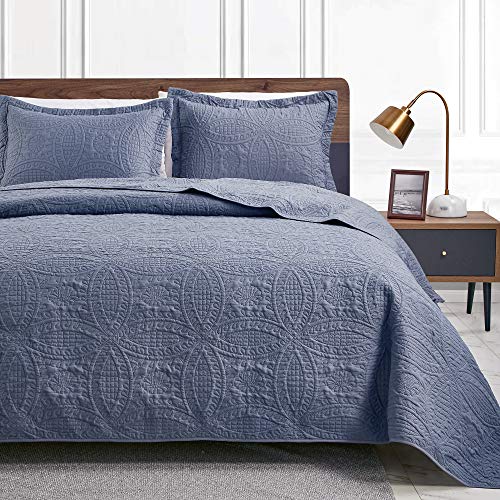
Why Your Queen Bed Deserves the Right Comforter or Bedspread
A queen-size bed is the most popular mattress size in most households — and for good reason. It offers generous room for couples while fitting comfortably into standard bedrooms. But the mattress is only half the story. The right queen size comforter or bedspread transforms your bed into a cohesive, restful centerpiece that ties your entire bedroom design together.
Unlike a simple blanket, a comforter or bedspread serves multiple purposes: it provides warmth, protects your bedding layers, adds visual texture, and defines the style of your room. Choosing the wrong one — whether too small, too heavy, or mismatched to your climate — can lead to restless nights and a bedroom that never quite feels finished.
This guide walks you through everything you need to know before making a decision. We cover sizing, fill materials, cover fabrics, style categories, seasonal considerations, and care routines. By the end, you will have a clear picture of which type of queen bedding suits your sleep habits and design preferences.
Quick tip: A queen mattress measures 60 × 80 inches (152 × 203 cm). Your comforter should extend at least 15–20 inches on each side to drape properly and accommodate your partner without tugging.
Comforter vs. Bedspread: Understanding the Difference
These two terms are often used interchangeably, but they refer to distinct products with different construction and styling purposes. Knowing the difference helps you choose the right layer for your bed.
Comforter
A thick, quilted blanket filled with down, down alternative, or synthetic fiber. It typically covers the top of the bed and drapes partway down the sides. Comforters are designed for warmth and are usually used without a separate bedspread. They often come in matching sets with shams and bed skirts.
Bedspread
A thinner, lighter covering that drapes all the way to the floor, often with a scalloped or tailored edge. Bedspreads are designed to cover the entire bed including pillows (when pulled up), and they provide a cleaner, more formal look. They are popular in traditional and hospitality settings.
Quilt / Coverlet
A lightweight, decorative layer that sits between the sheet and comforter. Quilts are often used as a summer covering or as an additional styling layer. They are thinner than comforters and typically not filled with heavy insulation.
If you prefer a plush, cozy feel and want a bedding set that includes matching accessories, a comforter is usually the better choice. If you favor a neat, tailored appearance with full coverage to the floor, a bedspread may suit your aesthetic better. Many people use both — a lightweight bedspread for summer and a comforter for winter.
For those who enjoy mixing and matching, explore our guide to queen size bedspreads and comforters for more styling ideas and product categories.
Getting the Size Right: Queen Comforter Dimensions Explained
One of the most common mistakes buyers make is choosing a comforter that is too small. A queen mattress is 60 inches wide and 80 inches long, but comforters are not always cut to the same dimensions. Here is what to look for:
- Standard queen comforter: Typically 86–90 inches wide × 90–96 inches long. This provides a moderate drape of about 13–15 inches on each side.
- Oversized queen comforter: Often 98–100 inches wide × 96–100 inches long. This is ideal if you have a thick mattress, a pillow-top, or want a more generous drape that reaches closer to the floor.
- Bedspread dimensions: Queen bedspreads are usually designed to cover the mattress and drop to the floor. Look for dimensions around 102–104 inches wide × 100–102 inches long for full coverage.
Always measure your mattress height (including any topper) before buying. A thick mattress of 14–16 inches will need an oversized comforter to drape properly. If you have a platform bed with a low profile, a standard queen comforter may be sufficient.
For a deeper dive into mattress and bed sizing, our queen beds guide covers frame dimensions and room planning tips.
Choosing the Right Fill: Down, Down Alternative, and Synthetic
The fill material determines how warm, breathable, and heavy your comforter feels. Each option has distinct advantages depending on your sleep temperature and ethical preferences.
Down Fill
Down clusters from duck or goose provide exceptional warmth-to-weight ratio, breathability, and loft. High-quality down comforters can last for many years with proper care. They are ideal for cold sleepers and those who appreciate a lightweight yet warm covering. However, down can be problematic for people with allergies and raises ethical concerns for some buyers.
Down Alternative
Made from synthetic fibers (often polyester or microfiber) that mimic the loft and softness of down. Down alternative is hypoallergenic, easy to clean, and typically more accessible in terms of market positioning. It is a solid choice for allergy sufferers and those who prefer vegan-friendly bedding. The best down alternative comforters offer good breathability and a satisfying plush feel.
Synthetic Fiber Fill
Standard polyester fill is the most common and typically found in entry-level comforters. It provides adequate warmth but may flatten over time and trap heat. Higher-quality synthetic fills are engineered for better breathability and durability. This category is well-suited for guest rooms, kids' rooms, or seasonal use.
| Tier | Fill Type | Best For | Key Characteristics |
|---|---|---|---|
| Entry-Level | Polyester fiber | Guest rooms, seasonal use, occasional sleepers | Lightweight, easy care, moderate warmth |
| Mid-Range | Down alternative (high-quality microfiber) | Allergy sufferers, everyday use, warm sleepers | Hypoallergenic, machine washable, good loft retention |
| Premium | Down (duck or goose) | Cold sleepers, luxury bedding enthusiasts | Exceptional warmth-to-weight ratio, breathable, long-lasting |
| Luxury | High-fill-power goose down | Master bedrooms, year-round comfort seekers | Superior loft, temperature regulation, heirloom quality |
Cover Fabrics: Cotton, Microfiber, Linen, and More
The outer fabric of your comforter affects breathability, softness, durability, and ease of care. Here is a breakdown of the most common options:
- 100% Cotton: Breathable, soft, and durable. Cotton covers are ideal for year-round use and sensitive skin. Look for sateen or percale weaves for a smoother feel. Cotton is a premium choice in the bedding category.
- Microfiber: A synthetic fabric that is soft to the touch, wrinkle-resistant, and often more accessible in terms of market positioning. It is not as breathable as cotton but works well for cool-weather comforters.
- Linen: Highly breathable and moisture-wicking, linen is excellent for warm climates and hot sleepers. It has a relaxed, textured appearance that suits casual and rustic bedroom styles. Linen is typically found in premium and luxury tiers.
- Bamboo Viscose: Silky-soft, breathable, and eco-friendly. Bamboo covers are naturally temperature-regulating and ideal for sensitive skin. This is a mid-range to premium option.
- Polyester Blend: Durable and wrinkle-resistant, often used in entry-level and mid-range comforters. Less breathable than natural fibers but easy to maintain.
For a truly comfortable sleep environment, consider the thread count and weave of the cover fabric. A high-quality cotton sateen cover feels smoother and more luxurious, while a percale weave offers a crisp, matte finish.
Popular Styles for Queen Comforters and Bedspreads
Your bedding style should complement the overall design of your bedroom. Here are the most common style categories to consider:
Traditional / Classic
Rich colors, floral or damask patterns, scalloped edges, and matching shams. Ideal for formal bedrooms and traditional decor. Explore Portuguese matelasse bedspreads for a timeless look.
Modern / Minimalist
Solid colors, clean lines, and simple quilting. Often in neutral tones like white, gray, or beige. Pairs well with platform beds and contemporary furniture.
Rustic / Cabin
Plaid, lodge-inspired patterns, and earthy colors. Often made with heavier fabrics for a cozy, mountain-retreat feel. See our plaid bedspread guide for inspiration.
Bohemian / Eclectic
Mix of patterns, vibrant colors, and textured fabrics. Quilts, patchwork, and embroidered details are common. Layering is key to this style.
Coastal / Nautical
Light blues, whites, stripes, and breathable fabrics like cotton and linen. Perfect for beach-themed or summer-inspired bedrooms.
Purple / Jewel Tones
Rich purple, plum, and amethyst hues add depth and drama. Explore purple bedspread queen options for a bold statement.
When choosing a style, consider the color palette of your bedroom walls, flooring, and furniture. A comforter that contrasts with your wall color creates visual interest, while a matching tone creates a calm, cohesive atmosphere.
Seasonal Considerations: Warm vs. Cool Sleepers
Your sleep temperature plays a major role in choosing the right comforter weight. Here is a general guide:
- Hot sleepers: Choose a lightweight comforter with breathable fill (down alternative or bamboo) and a cotton or linen cover. Avoid heavy polyester fills that trap heat.
- Cold sleepers: Opt for a medium-to-heavy weight comforter with down or high-loft down alternative fill. A flannel or microfiber cover adds extra warmth.
- Year-round comfort: A medium-weight down alternative comforter with a cotton sateen cover works well for most climates. Layering with a quilt or throw allows you to adjust warmth as needed.
If you live in a region with distinct seasons, consider having two comforters: a lightweight option for summer and a heavier one for winter. Many bedding sets are designed to be layered, which also adds visual depth to your bed.
Care and Maintenance: Keeping Your Bedding Fresh
Proper care extends the life of your comforter or bedspread and keeps your sleep environment hygienic. Follow these guidelines:
- Read the care label: Always follow the manufacturer's instructions. Some comforters are machine washable; others require professional cleaning.
- Use a duvet cover or top sheet: This reduces the frequency of washing the comforter itself. A top sheet creates a barrier between your body and the comforter.
- Wash in a large-capacity machine: Queen comforters need a commercial-size or large front-loading washer. Agitate gently and use a mild detergent.
- Dry thoroughly: Down and down alternative comforters must be dried completely to prevent mildew. Use low heat with dryer balls to restore loft.
- Spot clean bedspreads: Many bedspreads are dry-clean only. Spot clean spills promptly with a mild fabric cleaner.
- Store properly: Store off-season bedding in a breathable cotton bag or pillowcase. Avoid plastic storage, which can trap moisture.
For more bedroom care tips, see our guide to queen size bedspreads with shams for matching accessory care.
Matching Sets vs. Individual Pieces
Many queen comforters and bedspreads are sold as part of a set that includes matching shams, bed skirts, and sometimes decorative pillows. Buying a set simplifies the design process and ensures a cohesive look. However, individual pieces offer more flexibility if you prefer to mix patterns and textures.
If you are furnishing a master bedroom from scratch, a complete set is often the most efficient choice. For a guest room or a space where you want to experiment with layering, individual pieces may be more versatile. Explore queen bedspread sets and queen comforter sets with bedskirt for options that include coordinated accessories.
Ready to Upgrade Your Queen Bed?
Browse our curated selection of queen size comforters and bedspreads to find the perfect match for your sleep style and bedroom decor.
View Recommended ProductsFrequently Asked Questions
What size comforter fits a queen bed best?
A standard queen comforter measures around 86–90 inches wide and 90–96 inches long. If you have a thick mattress or prefer a generous drape, an oversized queen comforter (98–100 inches wide) is a better choice. Always measure your mattress height and account for a 15–20 inch drop on each side.
Should I choose a comforter or a bedspread?
Comforters offer more warmth and a plush, cozy feel, while bedspreads are thinner and provide full coverage to the floor. Choose a comforter if warmth and layering are priorities; choose a bedspread if you prefer a tailored, formal appearance.
How often should I wash my queen comforter?
Wash your comforter every 2–3 months if you use a top sheet and duvet cover. If you sleep directly under the comforter, wash it every 3–4 weeks. Always follow the care label and ensure thorough drying to prevent mildew.
What is the best fill for hot sleepers?
Down alternative with a cotton or bamboo cover is ideal for hot sleepers. These materials are breathable and wick moisture away from the body. Avoid heavy polyester fills that trap heat.
Can I use a queen comforter on a full bed?
Yes, but it will drape lower on the sides. A full bed measures 54 × 75 inches, while a queen comforter is wider. This can create a relaxed, oversized look, but the comforter may touch the floor. For a tailored fit, choose a full-size comforter.
Do queen comforters come with matching pillows?
Many comforter sets include matching shams (pillow covers). Decorative throw pillows are sometimes included but are often sold separately. Check the product description for what is included in the set.