Quilts for Twin Beds: The Complete Buyer's Guide
Everything you need to know about choosing, sizing, and caring for a quilt on a twin bed — from materials and fill to layering and style.
Start the GuideWhy a quilt is a smart choice for a twin bed: Twin beds are compact, versatile, and common in kids' rooms, guest rooms, dormitories, and small apartments. A well-chosen quilt delivers lightweight warmth, easy maintenance, and a timeless look that suits nearly any bedroom style. This guide walks you through the measurements, materials, and practical details so you can choose with confidence.
Why Choose a Quilt for a Twin Bed?
A quilt is a layered textile made of a top fabric, a middle filling, and a backing, held together with stitching. For twin beds, quilts offer several practical advantages over bulky comforters or duvets:
- Lightweight warmth: Quilts trap warmth without the heaviness of a thick comforter, making them ideal for year-round use and easy layering.
- Compact fit: A properly sized twin quilt drapes neatly without excessive overhang, which keeps the bed looking tidy in smaller rooms.
- Easy care: Most quilts are machine-washable and dry faster than down comforters, which is a real benefit for kids' rooms and guest beds.
- Versatile styling: Quilts work equally well as a primary cover or as a decorative layer over a duvet or blanket.
- Durability: Quality quilting stitches secure the filling and resist shifting, extending the life of the bedding.
If you are still deciding between a quilt and other bedding types, our guide to quilted bedspreads explains how quilts differ from bedspreads and coverlets in construction and coverage.
Twin Bed Quilt Sizes: Getting the Measurements Right
Twin beds come in two common lengths — standard twin and twin XL. Choosing the right quilt size ensures proper coverage and a clean drape. Here is a practical reference for quilt dimensions relative to mattress size.
| Mattress Size | Mattress Dimensions | Recommended Quilt Size | Best For |
|---|---|---|---|
| Twin | 38" x 75" | 68" x 88" | Kids' rooms, guest beds, standard twin frames |
| Twin XL | 38" x 80" | 68" x 90"–92" | Dorm rooms, adjustable beds, taller sleepers |
| Twin (deep mattress) | 38" x 75" (12"+ profile) | 70" x 90" | Pillow-top or thick mattresses needing extra drop |
A quilt that is too small leaves the mattress exposed and looks unfinished, while an oversized quilt can drag on the floor and collect dust. As a rule of thumb, aim for a quilt that extends roughly 15–20 inches on each side beyond the mattress top for a balanced drape.
Measurement tip: Always measure your mattress before ordering, especially if you use a mattress topper. Toppers can add 2–4 inches of height, which changes how a quilt drapes. For a deeper look at twin bed dimensions, see our guide to the size of twin beds.
Quilt Materials: Fabric and Fill Explained
The feel, warmth, and care requirements of a quilt depend largely on its outer fabric and inner filling. Understanding these components helps you match a quilt to your climate, lifestyle, and sleep preferences.
Outer Fabric Options
- Cotton: Breathable, soft, and durable — the most popular choice for everyday quilts. Cotton percale feels crisp, while sateen offers a smoother hand.
- Linen: Naturally temperature-regulating and highly breathable, with a relaxed texture that improves with washing. Best for warm sleepers.
- Polyester blends: Wrinkle-resistant and easy to care for, though less breathable than natural fibers. A practical option for guest rooms.
- Flannel: Brushed cotton that traps warmth — ideal for winter quilts and cold-climate bedrooms.
Filling Options
- Cotton batting: Breathable and medium-weight, with a traditional flat feel.
- Polyester fill: Lightweight, lofty, and hypoallergenic — a good option for allergy-sensitive sleepers.
- Wool: Excellent temperature regulation and moisture management, suited to premium and luxury tiers.
- Down or down-alternative: High loft and warmth-to-weight ratio; down-alternative versions are vegan and easier to clean.
For year-round comfort, a cotton quilt with a light polyester or cotton batting is a reliable all-rounder. If you live in a colder climate, consider a flannel-faced quilt or a wool-filled option for the winter months. Our guide to quilted bedspread sets covers coordinated sets if you prefer a matching look across the bed and pillows.
Quality Tiers: Choosing Based on Construction, Not Price
Quilts vary widely in construction quality. Instead of comparing by numerical figures, use these universal quality tiers to evaluate what you are getting for your needs.
Essential Tier
Entry-level quilts with basic polyester or cotton-blend shells and simple box quilting. Lightweight and easy to clean — a solid choice for guest rooms, kids' beds, and seasonal use where frequent washing is expected.
Balanced Tier
Mid-range quilts with 100% cotton shells, denser quilting patterns, and better-quality batting. These offer improved breathability and durability, making them a dependable everyday option for most twin beds.
Premium Tier
High-end quilts with long-staple cotton or linen shells, hand-guided stitching, and premium fills such as wool or high-loft down-alternative. Ideal for a long-term investment in comfort and appearance.
Luxury Tier
Flagship quilts from specialist makers, often with hand-stitched detailing, heritage fabrics, and superior temperature regulation. Suited to master guest rooms and buyers who prioritize craftsmanship.
Pay attention to stitch density and pattern: denser quilting (closer stitch lines) holds filling in place better and generally signals more durable construction. A quilt with evenly spaced, tight stitching will resist clumping through repeated washing.
Layering and Styling a Twin Bed Quilt
A twin bed is compact, so layering needs to stay intentional. Here are practical approaches that work well in small spaces:
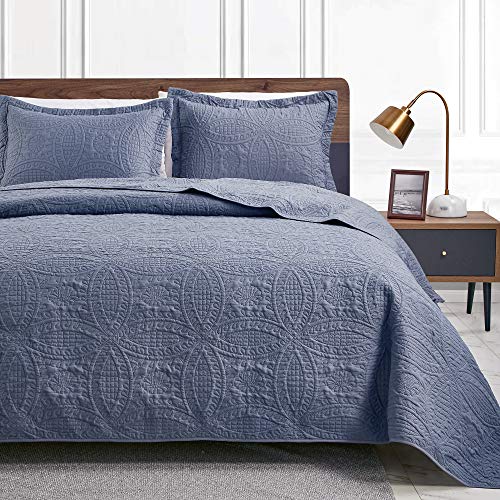
- Quilt as the primary cover: Use the quilt alone in warmer months, folded back at the top for a relaxed look.
- Quilt over a duvet: In winter, place a lightweight duvet underneath and the quilt on top as a decorative and warm layer.
- Folded foot layer: Fold a contrasting quilt at the foot of the bed for texture and visual interest without adding bulk at the head.
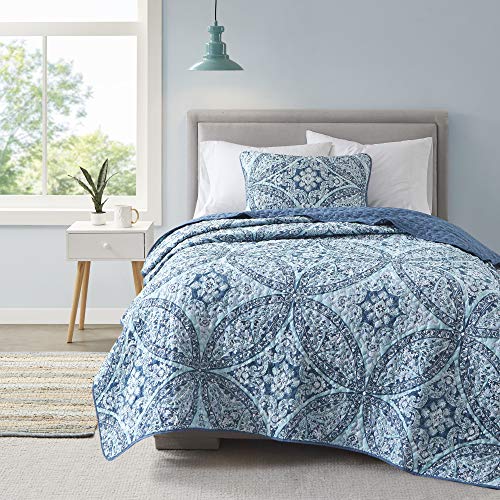
- Coordinated throw pillows: Pair the quilt with two or three accent pillows that echo its colors or quilting pattern.
- Neutral base, patterned top: A solid quilt lets you change the room's look with rugs, curtains, and pillows more easily.
For small bedrooms, keeping the bedding simple and well-fitted makes the room feel larger. Our small bedroom decor guide includes layout tips that pair well with a neatly made twin bed. If you are styling a rustic or farmhouse space, a patchwork or textured quilt fits naturally with the rustic bedroom aesthetic.
How to Care for a Twin Quilt
Proper care keeps a quilt soft, lofted, and structurally sound for years:
- Read the care label first: Cotton and polyester quilts are usually machine-washable; wool and down quilts may require professional cleaning.
- Wash in cold or warm water on a gentle cycle: Use a mild detergent and avoid fabric softeners, which can break down batting over time.
- Tumble dry low or air dry: Shake the quilt periodically during drying to redistribute filling and prevent clumping.
- Rotate and air regularly: Airing the quilt between washes refreshes the fabric and reduces moisture buildup.
- Store folded with breathable coverings: Avoid plastic bags, which trap moisture; cotton storage bags are a better choice.
Washing frequency: Wash a twin quilt every 2–4 weeks if it is used nightly, and more often in kids' rooms. Use a quilted mattress protector or a top sheet underneath to reduce direct contact with the quilt.
Frequently Asked Questions
What size quilt fits a twin bed?
A quilt of approximately 68 inches by 88 inches works well for a standard twin mattress (38" x 75"). For a twin XL mattress (38" x 80"), look for a quilt around 68" x 90" or slightly longer. Always measure your mattress and account for any topper before ordering.
Can I use a full or queen quilt on a twin bed?
You can, but the excess fabric will hang low on the sides and may bunch at the foot. For a tailored look, choose a quilt sized specifically for twin or twin XL beds. A larger quilt can work as an intentional drape on a platform or daybed, but it is not ideal for everyday use.
Are quilts warm enough for winter on a twin bed?
That depends on the filling. Cotton-batting quilts are best for mild climates. For colder rooms, choose a flannel-faced quilt, a wool-filled quilt, or layer a light duvet underneath. Quilts are naturally breathable, so layering is usually more effective than choosing one very thick quilt.
What is the difference between a quilt and a bedspread?
A quilt is typically lightweight, layered, and stitched with decorative patterns, and is often used as a top layer. A bedspread is generally thinner, designed to cover the entire bed including the sides, and hangs closer to the floor. For a detailed comparison, see our guide to quilted bedspreads.
How often should I wash a quilt on a twin bed?
For nightly use, wash every 2–4 weeks. In kids' rooms or guest beds used frequently, wash every 1–2 weeks. Always follow the care label, use a gentle cycle, and avoid high heat to protect the batting and stitching.
Ready to Choose Your Twin Bed Quilt?
Choosing the right quilt for a twin bed comes down to three factors: correct sizing for your mattress, materials that match your climate and care preferences, and construction quality that will hold up over time. With those fundamentals in place, a quilt is one of the most versatile and comfortable bedding choices for any compact bedroom.
Still exploring bedding options? Browse our guides on quilted bedspreads, quilted bedspread sets, and twin bed sizes to complete your setup. If your bedroom doubles as a guest space, our ideas for small bedroom solutions can help you make the most of the space.