Second Hand Children's Beds for Sale: A Smart Buying Guide
Pre-owned kids' beds can be a practical, sustainable choice for growing families — but only when you know exactly what to inspect before you commit. This guide walks you through frame types, safety checks, and smart shopping decisions.
START THE GUIDEWhy this guide matters: Parents searching for second hand children's beds for sale are usually weighing two things at once — finding a safe, sturdy bed and avoiding a purchase that needs replacing in a year. The information below is organized around those two priorities so you can evaluate any pre-owned bed with confidence.
Why Parents Consider Second Hand Children's Beds
Children outgrow beds quickly. A toddler bed may only serve a child for a couple of years before they need a larger single or twin frame. That short lifecycle is exactly why the pre-owned market for children's beds is so active: many frames are sold in good structural condition simply because the child has moved up a size.
Choosing a used children's bed can also be a more sustainable decision. Reusing a solid wood or metal frame keeps functional furniture in circulation and reduces waste. For families furnishing a nursery, a guest room, or a shared children's room, a pre-owned bed frame is often a sensible starting point — provided the frame passes a proper inspection.
There is one important distinction to keep in mind: a used bed frame and a used mattress are very different purchases. Frames are durable objects that can be inspected and verified. Mattresses are hygiene-sensitive items that absorb moisture, dust mites, and body oils over time. Most of this guide focuses on frames, with a dedicated section on why a new mattress is usually the right call.
Types of Pre-Owned Children's Beds You'll Find
The second-hand market covers nearly every bed style sold new. Knowing the categories helps you filter listings quickly and match a bed to your child's age and your room layout.
Toddler Beds and Small Bedsteads
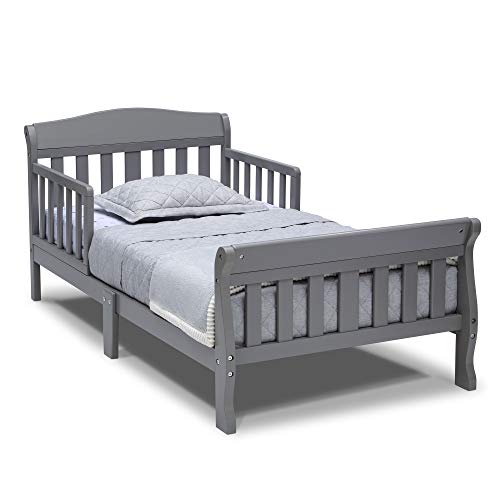
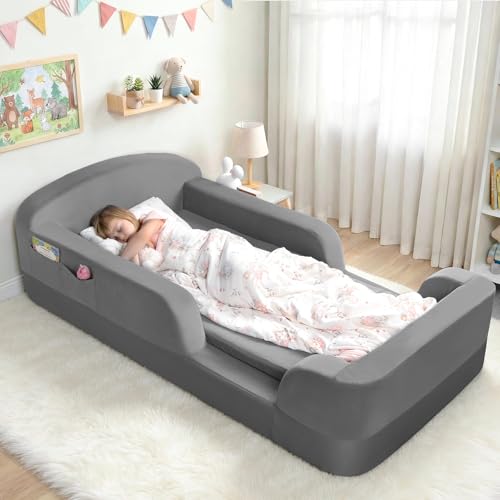
Toddler beds are low to the ground with guardrails, designed as a bridge between a crib and a full-size bed. In the pre-owned market, these are usually sold because the child has outgrown them. A simple single bedstead is a versatile alternative — it lasts longer and suits most children's rooms. If you want a classic, sturdy option, a used bedstead frame in solid wood or metal is often the most durable category to shop.
Bunk Beds and Loft Beds
Bunk beds are the space-saving favorite for shared rooms and small bedrooms. When buying used, stability is the critical factor — more on that in the inspection section. If you are comparing space-saving layouts, it helps to understand the differences between trundle bed designs and stacked bunks before you commit to a listing. For families with two children sharing a room, a pre-owned bunk frame in solid wood is a common and practical find.
Platform Beds and Panel Beds
Platform beds sit low and use a slat base instead of a box spring, which makes them a good fit for younger children and low-ceiling rooms. Panel beds are the classic headboard-and-footboard style and are widely available second hand. If you are planning a children's room around a platform base, browse platform bed guides to understand slat spacing and support requirements before buying a used frame.
Metal Frames and Iron Beds
Metal children's beds are common in the pre-owned market because they are durable and easy to disassemble. The main inspection points are welds, joints, and whether all bolts are present. A used metal frame with sound welds and no rust-through is generally one of the safest pre-owned options available.
Safety Inspection: The Step You Cannot Skip
Safety is the single most important part of buying any pre-owned bed for a child. A bed that looks fine in a photo can have a hidden crack, a missing fastener, or a modified guardrail. Use the checklist below in person, before any purchase.
Pre-Purchase Safety Checklist
- Check for recalls first. Note the brand and model, then search official consumer product safety databases in your region. Avoid any bed you cannot identify.
- Inspect every joint and bolt. Ask the seller to let you test the frame assembled. Gently shake it — a solid bed should not wobble or creak under light pressure.
- Examine wooden slats. Look for cracks, splits, or flex. Replace any slat that bends significantly; slats are inexpensive and easy to swap.
- Look for sharp edges and splinters. Run a hand along the frame. Sand or seal any rough spots before the bed goes into a child's room.
- Verify guardrails and rails are original. Aftermarket or homemade guardrails are a red flag. Safety rails should be the manufacturer's original parts and firmly attached.
- Check for rust on metal frames. Surface rust is cosmetic, but rust-through or corroded welds compromise structural integrity.
- Confirm all hardware is included. Missing bolts, brackets, or slat caps make assembly unsafe or impossible.
- Test the weight rating. For bunk beds and loft beds, confirm the frame is rated for your child's weight and activity level.
If a seller will not let you inspect the bed assembled or cannot confirm the brand and model, walk away. There is always another listing.
The Mattress Question: New Is Usually the Right Choice
Most second hand children's bed listings are frame-only, and that is the healthier option. A pre-owned mattress has absorbed years of sweat, dust, and allergens, and its support layers may already be compressed. For a child, sleep support directly affects posture and rest quality, so a fresh mattress is the safer and more comfortable choice.
When selecting a new mattress for a pre-owned frame, confirm the exact internal dimensions of the bed before ordering. Memory foam is a popular choice for children's rooms because it distributes weight evenly and limits motion transfer, which helps when siblings share a room. You can compare construction options in the memory foam mattress guide and review the broader mattress category for firmness guidance by age.
Protecting the new mattress is equally important for a children's bed, where spills and accidents are common. A waterproof, breathable cover extends mattress life significantly; the mattress encasement guide explains the difference between encasements and standard protectors.
How to Evaluate a Listing Before You Travel
Most wasted trips come from listings with too little information. Use this table to screen listings by tier and category before you arrange a viewing. The tiers describe market positioning and typical construction quality — not any specific figure.
| Tier | Category | Best For | What to Expect |
|---|---|---|---|
| Entry-level | Basic metal or particleboard frames | Short-term use, guest rooms | Lighter construction; inspect joints and hardware carefully |
| Mid-range | Solid wood or reinforced metal frames | Everyday use for growing children | Balanced construction with replaceable slats; good value for its tier |
| Premium | Hardwood bedsteads, heavy-duty bunks | Long-term use, shared rooms | Heavier frames, more robust joinery; check finish condition |
| Luxury | Designer or solid hardwood statement beds | Permanent children's room setups | High-grade materials; verify authenticity and original hardware |
Beyond tier, a listing should tell you the brand, model, age, mattress size, and whether it has been disassembled. Listings that include clear photos of the joints and the underside of the frame are a strong signal of an honest seller.
Matching a Used Bed to Your Child's Room
Room size often decides which bed makes sense. In a small bedroom, a low platform or a single bedstead leaves more floor space for play and storage. If the room is shared, a bunk or trundle layout is usually the most efficient use of space, and pre-owned options in these categories are plentiful.
Before buying, measure the room and map out door swings, window positions, and radiator clearance. A bed that fits the wall but blocks a wardrobe door will be a daily frustration. If you are working with a compact space, the small bedroom decor ideas guide covers layout strategies that pair well with low-profile children's beds.
Also think about how the bed will be moved. Solid wood bunk frames are heavy and may need two adults plus a van. Ask the seller whether the frame breaks down into flat panels — disassembly matters as much as the bed itself.
Cleaning and Preparing a Pre-Owned Bed
Once the bed is home, a thorough clean before assembly is standard practice. Wipe down wooden and metal surfaces with a mild soap solution, then dry completely. Vacuum any fabric components and check the frame again in good light for cracks you may have missed during the viewing.
Tighten all bolts, replace missing hardware, and confirm the slats sit securely in their brackets. If the frame has a painted finish, check for chipping along the top rails — children lean on these constantly. A child-safe touch-up paint or a clear sealant restores the finish and prevents splinters.
Finally, allow the assembled frame to settle for a day before adding a mattress. Re-check the stability after the first night of use; hardware can loosen slightly during initial settling.
When a Used Bed Is the Wrong Choice
There are situations where a pre-owned bed should be declined regardless of how good the listing looks:
- The bed has been recalled or you cannot identify the manufacturer.
- The frame has been modified — cut-down legs, welded repairs, or non-original guardrails.
- Structural cracks are visible in load-bearing joints or rails.
- Hardware is missing and replacements are not available from the manufacturer.
- The seller cannot demonstrate the bed assembled.
In each of these cases, the risk to a child outweighs any convenience. A new or certified refurbished bed is the better path.
Frequently Asked Questions
Are second hand children's beds safe to use?
A pre-owned children's bed can be safe if you inspect the frame carefully, verify all hardware is intact, check for recalls, and replace the mattress. Look for cracks, loose joints, sharp edges, and missing slats before use.
What should I check on a used children's bed frame?
Check the joints and bolts, inspect wooden slats for cracks, test stability by gently shaking the frame, look for peeling paint or splinters, and confirm the bed meets current safety standards and has not been recalled.
Should I buy a new mattress for a second hand bed?
Yes. A new mattress is strongly recommended for hygiene, support, and safety reasons. A pre-owned mattress may have hidden wear, allergens, or reduced structural integrity that affects your child's sleep.
Which type of used children's bed is best?
It depends on your child's age and room size. Toddler beds suit younger children, single bedsteads work for most ages, and bunk or loft beds save space in shared rooms. Solid wood and metal frames tend to be the most durable in the pre-owned market.
How do I verify a used bed has no safety recall?
Note the brand and model, then check official consumer product safety databases in your region. Ask the seller for original documentation if available. Avoid any bed you cannot identify or that shows signs of repair or modification.