Small Bedside Table Lamp: The Complete Buyer's Guide
A small bedside table lamp is one of the most underrated pieces of bedroom equipment. It shapes your evening wind-down, protects your eyes during late-night reading, and completes the visual balance of your sleep space. This guide walks you through everything you need to know before choosing one.
Bedside lighting is functional, not decorative filler. The right lamp delivers just enough warm light for reading and moving around safely at night without flooding the room with harsh brightness that disrupts melatonin production. A lamp that is too tall crowds the tabletop; one that is too dim strains your eyes. Getting the size, brightness, and shade right turns a simple purchase into a genuine upgrade for your rest quality.
This guide covers the practical factors that matter most: how compact a lamp should be relative to your nightstand, which bulb temperatures support sleep, why the shade shape changes the light cast, and how to match style with your existing bedroom furniture. Below you will also find curated product options across different quality tiers so you can compare features at a glance.
Why a Small Bedside Table Lamp Matters for Sleep Quality
Light exposure in the hour before bed directly influences how quickly you fall asleep. Bright overhead lighting suppresses melatonin, the hormone that signals your body to wind down. A small bedside table lamp solves this by delivering localized, low-intensity illumination exactly where you need it — on your book, your phone, or the floor path to the bathroom — while leaving the rest of the room in soft shadow. That contrast helps your brain register the transition from daytime alertness to evening rest.
Beyond biology, a bedside lamp supports practical nighttime habits. If you wake up at 2 a.m. and need water or medication, a nearby lamp prevents stumbling in the dark. For couples with different sleep schedules, a directional bedside lamp lets one person read while the other sleeps undisturbed. Choosing a compact model keeps the nightstand surface clear for essentials like a glass, phone, or book — a small detail that noticeably reduces clutter in tight bedrooms.
Key Factors to Evaluate Before You Choose
1. Physical Size Relative to Your Nightstand
The most common mistake is buying a lamp that overwhelms the tabletop. As a rule of thumb, the lamp base plus shade should not exceed roughly two-thirds of the nightstand's height. For compact nightstands — especially slim or narrow designs — aim for a total lamp height under 18 inches. The base diameter should leave at least two inches of clear surface on every side so the lamp does not look crowded. If your nightstand is genuinely tiny, a skinny bedside table or slim bedside table with drawers pairs naturally with a low-profile lamp.
2. Brightness and Color Temperature
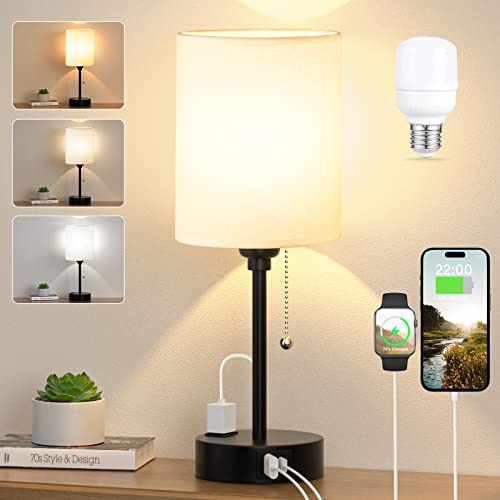
For bedside use, choose a bulb in the 2200K–3000K range — warm white to soft white. Cool daylight bulbs (5000K and above) mimic midday sun and work against your circadian rhythm. Brightness should be adjustable or modest; many sleep specialists suggest under 400 lumens for pre-sleep reading. A dimmable lamp or one with a three-way switch gives you flexibility: brighter for reading, dimmer for winding down. Avoid bare bulbs that shine directly into your eyes; a fabric or frosted shade diffuses light comfortably.
3. Shade Shape and Light Direction
Shade geometry controls the spread of light. A drum or tapered drum shade casts a broad, even pool of light — ideal for reading. A cone shade directs light downward more tightly, which suits tasks like finding items on the floor. For a reading bedside lamp, look for a shade that sits at or slightly below eye level when you are seated on the bed, so the bulb is hidden from direct view. Opaque shades create mood lighting but are poor for reading.
4. Switch Accessibility
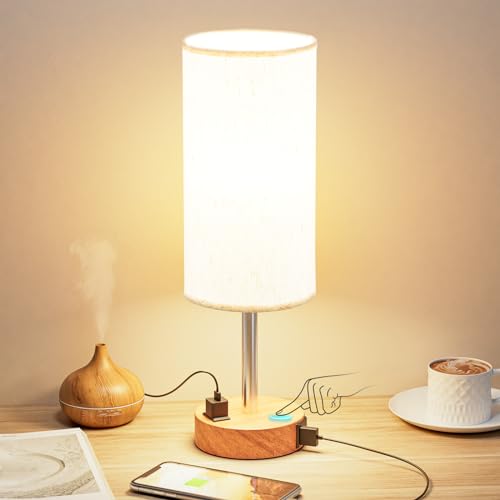
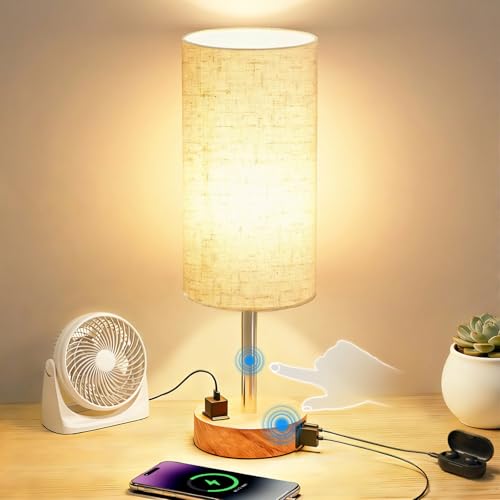
You will reach for the switch in the dark. In-line cord switches work but can be awkward to find. A rotary switch on the base or a touch-sensitive base is easier for nighttime use. For shared beds, a lamp with an independent switch on each side avoids disturbing your partner. Some compact lamps include USB ports or wireless charging pads built into the base — a convenient extra if your nightstand is small and you want to reduce cable clutter.
5. Style and Material Coordination
Match the lamp finish to your existing furniture for visual cohesion. Natural rattan and wood finishes suit coastal and boho rooms; brushed metal and matte black pair well with modern or industrial decor; ceramic and glass bases fit transitional and classic styles. If you are furnishing a compact room, a rattan bedside table with a matching natural-fiber lamp creates a warm, cohesive vignette. For a more traditional feel, real wood bedside tables and small dark wood bedside tables anchor warm-toned lamps beautifully.
How to Measure for the Right Fit
Before shopping, take three measurements: the width and depth of your nightstand's top surface, the height from floor to mattress top, and the height from the nightstand surface to your seated eye level. Your lamp should ideally sit so the bottom of the shade is level with your shoulder or chin when sitting up in bed. If the shade ends above eye level, light spills into your eyes; if it ends far below, the pool of light becomes too narrow for reading. For very low beds, a low-profile lamp under 15 inches works better than a standard 20-inch model.
Also check clearance above the lamp: a shade that sits too close to a wall-mounted shelf or sloped ceiling can feel cramped. Leave at least four to six inches of open space above the shade for heat dissipation, especially with incandescent or halogen bulbs. LED bulbs run cooler and are more forgiving in tight spaces.
Small Bedside Lamp Pairings for Compact Bedrooms
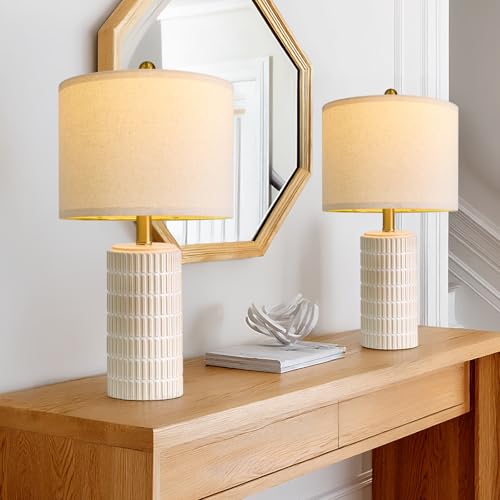
Small bedrooms demand intentional placement. If your nightstand is narrow, consider a wall-mounted sconce or a clamp-on lamp to free up the surface entirely — but if you prefer a freestanding lamp, a small rectangular bedside table offers a stable footprint for a compact lamp. Pairing lamps on both sides creates symmetry; a small bedside table set of 2 with matching lamps balances the room visually. For renters or multi-use rooms, a small apartment furniture strategy — where every piece does double duty — means choosing a lamp with a built-in shelf or USB charger to reduce accessory clutter.
If you are styling around a specific theme, the lamp should support it rather than compete. A small bedroom decor scheme built on neutral linens and natural textures calls for a woven or ceramic lamp in an earthy tone. A Scandinavian bedroom with pale wood and white walls suits a simple white or light-wood lamp with a linen shade. For a rustic bedroom, a dark metal or distressed-wood base with an amber-tinted shade reinforces the mood.
Common Mistakes to Avoid
- Choosing a lamp that is too tall for the nightstand. It will look unbalanced and may block your view of the room when lying down.
- Ignoring bulb compatibility. Check whether the lamp accepts standard E26 bulbs or requires a specialty size; also confirm the maximum wattage.
- Skipping the dimmer. A single-brightness lamp limits flexibility. A dimmable model costs marginally more but delivers far more usable range.
- Placing the lamp directly beside your pillow. Light should fall on your reading material, not into your eyes. Position the lamp slightly forward on the nightstand.
- Overlooking cord management. On a small nightstand, a visible cord tangles with everything. Choose a lamp with a fabric-wrapped cord or plan a cable clip.
Frequently Asked Questions
How tall should a small bedside table lamp be?
For most bed heights, a lamp between 14 and 18 inches tall works well on a compact nightstand. The shade's bottom edge should align roughly with your shoulder when seated in bed.
What bulb color temperature is best for sleep?
Warm white bulbs between 2200K and 3000K are ideal. They produce a soft amber glow that supports melatonin production and feels relaxing in the evening.
Can I use a small lamp for reading in bed?
Yes, provided the lamp has a shade that directs light downward and a bulb bright enough to illuminate your page without glare. A dimmable model with a 3000K bulb is a practical choice.
Should the lamp match my other bedroom furniture?
Matching is optional but creates visual harmony. Coordinating the lamp base finish with your nightstand or headboard material makes the space feel intentional rather than assembled piecemeal.
Are touch-sensitive lamps worth considering?
They are convenient for nighttime use because you can turn the lamp on or off without fumbling for a switch. Look for models with reliable touch sensors and a memory function that returns to your last brightness setting.
Final Thoughts
A small bedside table lamp is a modest purchase with an outsized effect on how your bedroom feels and functions. Focus on the fundamentals — proportionate size, warm and dimmable light, a shade that directs illumination where you need it, and a switch you can reach without opening your eyes. Once those are in place, style becomes the easy part. Browse the recommended options below to compare features across quality tiers and find the model that fits your nightstand and your nightly routine.