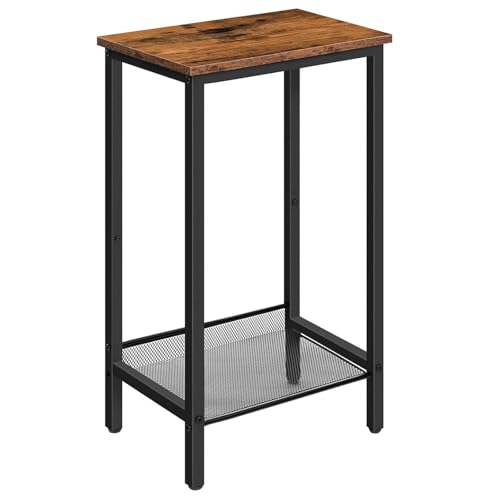
Tall and Skinny Bedside Tables: The Complete Guide
Maximize every inch of your bedroom with narrow nightstands that deliver storage, style, and ergonomic height without crowding your sleep space.
Explore Top PicksWhy tall and skinny bedside tables deserve your attention: If your bed sits close to a wall, a closet door, or a tight walkway, a standard nightstand can eat up the little floor space you have. Slim, vertical designs give you a usable surface and smart storage while keeping traffic paths clear. This guide walks you through height, width, materials, and layout so you can choose the right fit before you buy.
What Makes a Bedside Table "Tall and Skinny"?
A tall and skinny bedside table combines a narrow footprint, usually 12 to 18 inches wide, with a vertical silhouette that often reaches 24 to 30 inches high. This shape is designed to do two things at once: hold everyday essentials at arm's reach and preserve floor space in a compact bedroom.
Unlike a traditional nightstand that spreads outward, a slim design stacks storage upward. That means you can gain a drawer, an open shelf, or a cabinet without pushing the unit further into the room. The result is a cleaner layout, easier movement around the bed, and a more balanced visual line beside a taller mattress or upholstered bed frame.
These tables pair especially well with modern, minimalist, and Scandinavian bedroom styles, but they also fit transitional rooms when finished in warm wood tones. If you are furnishing a tight bedroom, studio, or guest room, exploring space-saving beds for small rooms alongside slim nightstands helps you plan the whole layout coherently.
Key Benefits of a Slim, Tall Nightstand
Space Efficiency
A narrow footprint frees floor area around the bed, making small rooms feel less cramped and easier to move through.
Ergonomic Height
A taller surface sits closer to mattress level, so reaching for a lamp, phone, or glass of water feels natural.
Vertical Storage
Drawers and shelves stack upward, giving you organized storage without widening the unit.
Clean Visual Line
Slim silhouettes reduce visual clutter and create a calmer, more intentional bedroom composition.
How to Choose the Right Height and Width
Getting the proportions right is the single most important step. A bedside table that is too short forces you to reach down, while one that is too tall can block a lamp's light or feel top-heavy. Use this simple framework:
- Match the mattress top. The table surface should sit level with or just below the top of your mattress, usually 24 to 28 inches for standard beds. Taller mattress and frame setups may call for models in the 26 to 30 inch range.
- Measure the gap. Leave at least 2 to 3 inches between the table and the wall or closet door so drawers and doors open fully.
- Check walkway clearance. Keep at least 24 inches of walking space between the bed and any wall or furniture. A 12 to 16 inch wide table helps you protect that path.
- Account for the lamp. If you use a table lamp, confirm the shade clears the wall and does not crowd the sleeper's head.
For very tight rooms, a tall narrow bedside table is often the most practical shape because it preserves width while still offering a useful surface. If you need more enclosed storage, compare tall bedside tables with drawers to see how drawer depth affects the footprint.
Materials and Build Quality
Because slim tables are tall relative to their base, stability matters more than on a wide nightstand. Look for solid joinery, a weighted or widened base, and anti-tip hardware. Material choice also affects durability and the overall look of the room.
- Solid wood: Durable and repairable, with a warm natural grain. A solid build holds up well over years of daily use.
- Engineered wood with veneer: A practical mid-range option that offers consistent finishes and good structural rigidity.
- Metal: Slim metal frames are strong for their size and suit industrial or modern rooms. Look for a rust-proof finish.
- Mixed materials: Wood tops with metal legs combine warmth and strength, often with a lighter visual weight.
If you prefer classic wood construction, explore solid wood bedside cabinets and solid wood bedside tables with drawers for options built to last. White finishes remain popular for bright, airy rooms; see tall white bedside tables with drawers for a clean look.
Storage Configurations Compared
The best storage layout depends on what you keep within reach at night. Use the table below to match a configuration to your habits.
| Configuration | Best For | Trade-Off |
|---|---|---|
| Open shelf only | Minimalist sleepers who want a lamp, book, and phone within reach | No hidden storage for clutter |
| Single drawer plus shelf | Everyday essentials like chargers, glasses, and medication | Drawer depth is limited on very slim models |
| Two or three drawers | Bedrooms with limited closet space that need extra organization | Requires a slightly deeper body to fit drawer runners |
| Cabinet door | Hiding bulkier items such as books or small devices | Door swing needs clearance beside the bed |
Matching Your Bed Frame and Room Style
Slim nightstands look best when their height and finish relate to the bed. A low platform bed pairs well with a mid-height table, while a taller upholstered or panel bed benefits from a table that reaches mattress level. Keep the finish consistent with your other furniture, or use it as an accent if the room is otherwise neutral.
In small rooms, consider how the bedside table interacts with storage beds and bunk arrangements. If floor space is the priority, space-saving beds with storage can reduce the need for extra furniture, letting a slim nightstand handle only nightly essentials. For shared or guest rooms, small space bunk beds combined with narrow tables keep the layout functional without sacrificing comfort.
Quality Tiers: What to Expect at Each Level
Instead of focusing on figures, think in terms of market positioning. The tier you choose should match how much daily use the table will see and how long you expect to keep it.
| Tier | Typical Characteristics | Best For |
|---|---|---|
| Entry-level | Engineered wood or light metal, basic assembly, simpler hardware | Guest rooms, starter apartments, short-term setups |
| Mid-range | Better joinery, smoother drawer runners, mixed materials, anti-tip kit included | Primary bedrooms with regular daily use |
| Premium | Solid wood or high-grade steel, refined finishes, durable hardware | Long-term use and design-focused rooms |
| Luxury / flagship | Hand-finished details, custom sizing, professional-grade construction | Statement bedrooms and bespoke interiors |
A mid-range model usually offers a good balance of stability and finish quality, while premium and flagship tiers are worthwhile investments if the piece will stay with you for many years.
Placement and Safety Tips
- Anchor tall units. Secure the table to the wall with the included anti-tip strap, especially in homes with children or pets.
- Keep the top light. A tall, narrow base is most stable when the surface is not overloaded with heavy items.
- Mind the cords. Route lamp and charger cables behind the unit and away from walkways.
- Leave drawer clearance. Confirm that drawer fronts clear the bed frame and bedding when fully open.
- Consider a swivel or tray option. If you work or read in bed, a swivel bedside tray table with adjustable height can add flexibility without a wide footprint.
Frequently Asked Questions
What height should a tall and skinny bedside table be?
Ideally, the top should sit level with or just below your mattress top, typically between 24 and 28 inches for most beds. Taller models in the 26 to 30 inch range suit higher mattress and frame setups.
How narrow can a bedside table be and still be useful?
A width of 12 to 18 inches is enough for a lamp, phone, book, and a drawer or shelf. Anything under 12 inches works best as a minimalist perch rather than a storage piece.
Are tall and skinny bedside tables stable?
Yes, when built with a wide or weighted base, anti-tip hardware, and solid joinery. Mid-range and premium models usually add wall-anchoring kits for extra safety.
Do slim bedside tables work in small bedrooms?
They are one of the best space-saving choices. A narrow footprint frees floor space around the bed and keeps traffic paths clear in compact rooms and studio apartments.
Ready to Upgrade Your Bedside Setup?
Browse our curated selection of tall and skinny bedside tables that combine a narrow footprint with practical storage and stable construction.
View Recommended Models