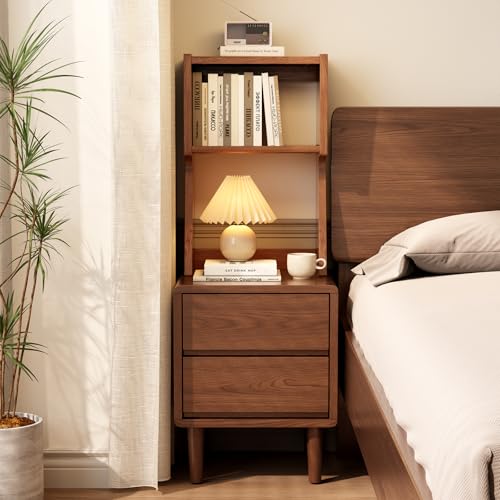
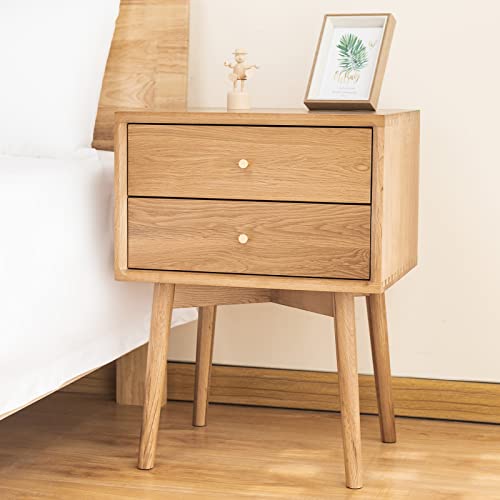
Why a solid wood bedside table with drawers deserves a place in your bedroom plan: A nightstand is more than a surface for a lamp and a glass of water. It is the piece you reach for first thing in the morning and last thing at night. Choosing one built from solid wood — rather than veneered particleboard — means you get a furniture piece that resists daily wear, holds screws and joints firmly for years, and develops a natural patina that only improves with age. This guide walks you through wood selection, drawer quality, sizing, and styling so you can buy with confidence and avoid the most common mistakes.
Why Choose a Solid Wood Bedside Table with Drawers?
Solid wood furniture is cut from a single piece of timber rather than manufactured from glued wood dust and resin. For a bedside table, this distinction matters more than most people realize. A nightstand sits beside your bed and absorbs constant small impacts — a phone set down quickly, a mug moved in the dark, a drawer pulled open and pushed shut every single day. Solid wood handles this cycle with far more grace than composite materials.
- Durability: Solid wood resists dents, scratches, and moisture far better than particleboard or MDF.
- Repairability: Scratches can be sanded and refinished; composite surfaces cannot.
- Joint integrity: Screws and hardware hold tighter in solid timber, so drawers stay aligned.
- Long-term investment: A well-made solid wood nightstand can outlast several beds.
- Aesthetic warmth: Natural grain patterns give each piece a unique character no laminate can match.
- Healthier indoor air: Solid wood typically uses less adhesive than engineered wood, reducing off-gassing.
If you are furnishing a compact bedroom, the storage capacity of drawers becomes especially valuable. Pairing a solid wood bedside table with drawers alongside space-saving beds with storage creates a bedroom where every square foot works harder. For rooms where the bed itself is a compromise, our guide to small twin beds for small spaces explains how to reclaim floor area without sacrificing comfort.
Wood Species Compared: Oak, Walnut, Maple, Pine, and More
The species of wood determines hardness, grain appearance, and how the piece ages. Understanding the differences helps you match the nightstand to your bedroom's existing furniture and to the level of traffic it will see.
Oak
Oak is the benchmark for solid wood nightstands. Its open grain and high density make it resistant to dings, and it takes stains and oils beautifully. White oak leans modern and neutral; red oak carries a warmer, more traditional tone. An oak bedside table with drawers suits both rustic and contemporary bedrooms and holds up well in busy households.
Walnut
Walnut is a premium-tier hardwood prized for its rich, chocolate-brown color and tight, flowing grain. It is softer than oak but stable and luxurious in appearance. Walnut nightstands pair naturally with mid-century and modern bedroom sets and tend to be the statement piece in the room.
Maple
Maple is a hard, dense wood with a fine, closed grain and a pale, creamy tone. It resists wear exceptionally well and takes a painted or natural finish cleanly. If you want a clean, Scandinavian look, maple is an excellent mid-range to high-end tier choice.
Pine
Pine is softer and more prone to denting, but it is an entry-level to mid-tier option with a charming, knotty character. It suits cottage, farmhouse, and children's bedrooms. If you choose pine, look for reinforced drawer runners because soft wood can wear at the drawer contact points over time.
Rubberwood and Acacia
Rubberwood (parawood) is a dense, entry-level hardwood often used in well-built, value-focused nightstands. Acacia is harder and more decorative, with dramatic grain contrast, and is common in rustic and bohemian designs. Both are solid choices when the joinery is sound.
Drawer Construction: The Detail That Separates Good from Great
A bedside table with drawers lives or dies by its drawer mechanism. This is the single most overlooked part of nightstand shopping, and it is where entry-level and premium pieces diverge most sharply.
Drawer Box Joinery
Look for dovetail joints at the corners of the drawer box. Dovetails interlock mechanically and will not pull apart under load, even after years of use. Stapled or glued butt joints are a sign of an entry-level build and tend to loosen over time. English dovetails at the front corners are the gold standard; French dovetails at the rear are a nice bonus.
Drawer Glides and Runners
There are three main glide types to know:
- Wood-on-wood runners: Traditional, quiet, and common in premium and antique-style pieces. They require waxing occasionally but can last decades. Best suited to lighter loads.
- Side-mounted roller glides: Common at the entry-level and mid-range tiers. Functional and easy to replace, but they can feel less smooth and may sag under heavy contents.
- Undermount ball-bearing glides: The top-tier standard. They carry more weight, close softly, and keep the drawer box hidden. Full-extension versions let you reach the entire drawer depth.
Soft-close functionality is a worthwhile upgrade for a bedroom: it prevents the jarring clatter of a drawer slammed shut in the dark. If you want a nightstand with built-in convenience, consider a smart bedside table with wireless charging — many models also incorporate well-built drawer boxes.
Drawer Depth and Interior Space
Measure the usable interior height of each drawer. A shallow top drawer (around 4–5 inches) is ideal for glasses, chargers, and medication, while a deeper lower drawer (6–8 inches) handles books, journals, or a tablet. Two-drawer nightstands are the most versatile layout; single-drawer designs with an open shelf below suit minimalists.
Sizing Your Solid Wood Bedside Table with Drawers
Proportion is everything in a bedroom. A nightstand that is too tall competes with the mattress; one that is too short disappears beside the bed. Use these guidelines to get the height right the first time.
Height Relative to the Mattress
The top of the nightstand should sit level with, or slightly below, the top of your mattress — ideally within 1–2 inches. This keeps your lamp, book, and phone within easy reach when you are lying down. If your bed is unusually tall, look at tall bedside table with drawers options that rise to meet the mattress line. Conversely, low platform beds pair best with shorter nightstands.
Width and Depth for Small Rooms
A standard nightstand is roughly 18–24 inches wide and 16–18 inches deep. In tight bedrooms, a narrow profile makes a real difference: explore tall and skinny bedside tables for slender footprints, or a tall narrow bedside table when wall space is limited. If you need maximum storage in minimum width, a tall bedside cabinet with drawers stacks multiple drawers vertically rather than horizontally.
Clearance and Walkways
Leave at least 2–3 inches of space between the nightstand and the mattress edge, and keep walkways at least 24 inches wide. If the bed sits in a corner, a single nightstand on the open side is often the smartest layout. For rooms where furniture must multitask, our guide to storage beds for small spaces shows how to combine under-bed storage with slim bedside furniture.
Quality Tiers: What to Expect at Each Level
Bedside tables fall into broad quality tiers based on materials, joinery, and finish. This table uses neutral tier descriptors rather than numeric figures, so it stays useful regardless of when you read it.
| Tier | Typical Materials | Best For |
|---|---|---|
| Entry-level | Rubberwood or pine solids with engineered panels; stapled or glued drawer boxes; side roller glides | Guest rooms, first apartments, and occasional-use bedrooms |
| Mid-range | Solid oak or maple top and fronts; dovetail or reinforced drawer boxes; soft-close side glides | Primary bedrooms with daily use and moderate storage needs |
| Premium | Full solid wood carcass; English dovetail drawers; undermount ball-bearing soft-close glides | Long-term family bedrooms and design-led interiors |
| Luxury / flagship | Walnut or select hardwood; hand-finished surfaces; full-extension premium glides; bespoke detailing | Statement bedrooms where the nightstand is a design feature |
Mid-range pieces usually offer the most balanced combination of solid construction and refined hardware. Upgrading from entry-level to mid-range typically gains you a smoother, quieter drawer action and stronger joints — improvements you will feel every day. For matching bedroom furniture, a solid wood bedside cabinet can sit alongside a drawer table to create a coordinated pair, and a tall white bedside table with drawers works well in bright, airy rooms.
Styling and Placement Tips for Your Nightstand
A solid wood bedside table with drawers anchors the sleeping area visually. Keep the top surface functional but uncluttered: a lamp, a small tray for personal items, and perhaps one book. Use the drawers for the rest.
- Lighting: A table lamp with a warm bulb creates a calm, restful pool of light. A touch bedside lamp with USB port adds charging convenience without extra clutter.
- Texture: Introduce softness with a linen table runner or a small ceramic dish. A smooth, softest bedsheets set on the bed complements the warm wood tones.
- Symmetry: Two matching nightstands flanking the bed create a balanced, hotel-like feel. In asymmetrical layouts, a single drawer table on the open side is sufficient.
- Proportion: Match the visual weight of the nightstand to the bed. A heavy, solid wood piece suits a substantial frame; a slim design suits a light, airy bed.
If your bedroom doubles as a guest space, a sofa bed for small rooms can share the room with a compact drawer nightstand. For children's rooms, pair a sturdy low nightstand with a solid wood twin bed for adults or a solid wood bunk bed with stairs to keep storage organized and safe.
Care and Maintenance for Solid Wood Nightstands
Solid wood rewards a little routine care with decades of service. Dust weekly with a soft, slightly damp cloth and avoid silicone-based polishes that can build up. Keep the nightstand out of direct, prolonged sunlight to prevent uneven fading. In dry climates, a humidifier in winter helps prevent the wood from drying and cracking. Check drawer screws and glide mounts every few months and tighten them if needed — snug hardware keeps drawers sliding straight. For a deeper clean, a mild soap solution followed by a dry cloth is all most finishes need.
Frequently Asked Questions
Is solid wood better than MDF for a bedside table?
For daily-use nightstands, yes. Solid wood holds screws and joints more securely, can be sanded and refinished, and resists dents better. MDF is flatter and more dimensionally stable, but it cannot be repaired the same way and can swell if exposed to moisture.
How many drawers should a bedside table have?
Two drawers suit most people: a shallow top drawer for small essentials and a deeper lower drawer for books or a tablet. A single drawer with an open shelf below is a good minimal option; three or more drawers work when the nightstand also stores clothing or linens.
What height should my bedside table be?
Aim for the top of the table to sit level with or within 1–2 inches of your mattress top. This keeps items within reach while lying down. Measure your mattress height from the floor before shopping.
Do soft-close drawers matter in a bedroom?
They are a meaningful comfort upgrade. Soft-close glides prevent the loud clatter of a drawer pushed shut, which matters when one partner goes to bed earlier or gets up in the night.
Can a solid wood nightstand be repainted?
Yes, if the existing finish is properly sanded and primed. Solid wood takes paint well, though painted finishes hide the natural grain. If you want to preserve the wood, use a clear oil or hardwax finish instead.
How do I match a nightstand to my bed frame?
Match wood tone first, then scale. A warm oak bed pairs naturally with an oak or walnut nightstand; a painted bed gives you freedom to mix tones. Keep the nightstand height aligned with the mattress and the visual weight in proportion to the bed frame.
Final Thoughts
A solid wood bedside table with drawers is a small piece of furniture with an outsized role in your daily routine. Prioritize the drawer mechanism and joint quality, choose a wood species that matches your room's existing tones, and get the height right relative to your mattress. Do those three things and your nightstand will serve you faithfully for years — quietly, smoothly, and beautifully.