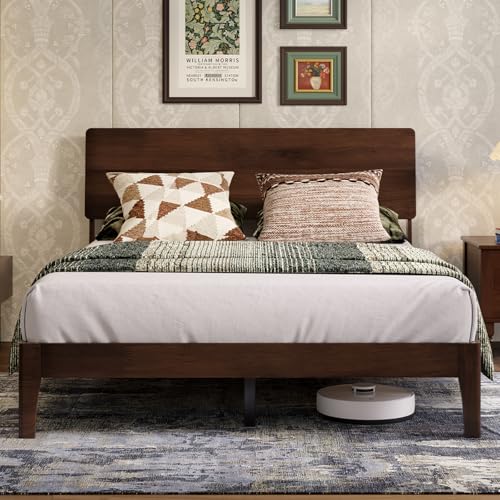
Wooden Bed Frames for Adjustable Beds: The Complete Compatibility Guide
Everything you need to know about pairing a wooden bed frame with an adjustable bed base — from clearance requirements and wood types to frame styles and setup tips.
What You'll Learn in This Guide
Introduction
An adjustable bed base transforms the way you sleep, but the frame you place it in matters just as much as the base itself. A wooden bed frame brings warmth, natural texture, and timeless style to a bedroom — yet not every wooden frame is designed to house a moving adjustable base. If you are researching wooden bed frames for adjustable beds, you are likely at the stage where you already know you want an adjustable base and now need to confirm that your chosen frame will support it safely, look cohesive, and allow the base to articulate without obstruction.
This guide walks you through the practical details: what to look for in the frame, how much clearance the base needs, which wood types hold up best under repeated motion, and how to assemble the combination correctly. By the end, you will have a clear picture of the frame specifications that matter, so you can move forward with confidence.
Why Choose a Wooden Frame for an Adjustable Bed
A wooden bed frame offers benefits that metal and upholstered frames often cannot match. For an adjustable bed setup, those benefits are especially relevant:
- Warmth and natural beauty: Solid wood brings organic grain patterns and a tactile finish that softens the look of a mechanical adjustable base.
- Stability and weight: A well-built wooden frame adds mass and a low center of gravity, which helps keep the adjustable base planted while it articulates.
- Noise dampening: Wood absorbs vibration better than hollow metal frames, reducing the chance of rattles or creaks as the base moves.
- Style versatility: From mid-century modern to rustic farmhouse, wooden frames blend with virtually any bedroom aesthetic.
- Repairability: Solid wood can be sanded, refinished, and repaired over time, making it a long-term investment in your bedroom furniture.
If you are still comparing frame categories in general, the broader wooden bed frames overview is a useful companion read before narrowing down to adjustable-base-specific models.
Adjustable Bed and Wooden Frame Compatibility
The single most important compatibility factor is that the adjustable base must sit inside the frame without touching the side rails, headboard, or footboard while it moves. An adjustable base articulates at the head and foot, so the frame needs open space at both ends during motion.
Key Compatibility Points
- Interior dimensions: Measure the inside width and length of the frame. The adjustable base should fit with a small buffer — typically a few inches on each side — so it does not rub against the rails.
- Open footboard design: Many adjustable bases are longer than a standard mattress and extend slightly when the foot section elevates. A low or open footboard, or an optional removable footboard, prevents the base from hitting the frame.
- Headboard clearance: If the base raises the head section, confirm the mattress and base do not press against the headboard. Frames with a space between the headboard and the mattress platform work best.
- Platform vs. slat support: Most adjustable bases are self-supporting and only need the frame for aesthetics and perimeter support. A platform or slat base that is flush with the floor can interfere with the base's legs, so check the frame's deck height.
- Weight capacity: The frame must support the combined weight of the adjustable base and the sleepers. Look for frames rated for the total load, not just the mattress.
If you are considering a base that integrates directly with a wooden surround, wooden framed adjustable beds are purpose-built for this pairing and remove much of the guesswork.
Clearance and Dimension Requirements
Getting clearance right protects both the frame and the adjustable base. Use the table below as a planning reference when matching a frame to a base.
| Dimension | What to Measure | Typical Requirement | Why It Matters |
|---|---|---|---|
| Interior width | Distance between inner faces of side rails | Slightly wider than the base width | Prevents side-rail rubbing during motion |
| Interior length | Distance from headboard to footboard opening | Allows for base extension at the foot | Foot section elevation needs extra length |
| Deck height | Height of slats or platform above floor | Low enough for base legs to sit flat | Avoids the base resting on the deck instead of the floor |
| Footboard height | Top of footboard above floor | Low or removable for high foot elevation | High footboards can block the raised foot section |
| Headboard gap | Space between headboard and mattress platform | Several inches of open space | Accommodates the head section's upward angle |
Measure your adjustable base at full extension, not just when flat. The foot section often adds length when elevated, and that extra length is what most often collides with a closed footboard.
Best Wood Types for Adjustable Bed Frames
Not all wood is equal when a frame has to withstand repeated motion and the weight of a moving base plus sleepers. The following wood types are commonly used for frames that pair well with adjustable bases:
Solid Hardwoods
- Oak: Dense and highly durable, with strong grain character. A solid choice for high-end frames that need to resist flexing.
- Maple: Hard, close-grained, and stable. It holds screws and joinery well, which matters for frames that experience continuous load shifts.
- Walnut: A premium hardwood with rich color and excellent dimensional stability. Often used in high-end tier frames.
- Cherry: Slightly softer than oak or maple but stable and beautiful, with a warm tone that deepens over time.
Engineered and Composite Woods
- Plywood and high-grade engineered wood: Often used in mid-range frames for platforms and side panels. Look for multi-layer construction with a solid hardwood core for strength.
- MDF and particleboard: Common in entry-level frames. These can work for light-duty setups but are less resistant to repeated stress, so check the frame's weight rating carefully.
If you prefer a classic look, wooden beds in king size give you the extra interior space that many adjustable bases need, while wooden full beds suit smaller rooms where a compact adjustable base is the goal.
Frame Styles That Work Best With Adjustable Bases
Frame style affects both the visual result and the mechanical fit. These styles are the most adjustable-base-friendly:
- Platform frames with open sides: A clean platform silhouette with no deep side rails gives the base room to sit inside without rubbing.
- Panel beds with removable footboards: The footboard can be removed or lowered when the base's foot section is elevated.
- Low-profile modern frames: A lower deck height keeps the adjustable base close to the floor and avoids interference with slats.
- Frames with a headboard gap: A visible gap between the headboard and the mattress platform accommodates the raised head section.
- Storage frames with caution: Under-bed storage drawers are convenient, but confirm they do not reduce the interior depth the base needs.
Styles to approach with care include tall sleigh beds with high, curved footboards and canopy beds with low cross-rails, since both can restrict the base's range of motion. For a broader look at frame options, the main wooden bed frames collection covers each style in more detail.
Setup and Assembly Tips
Assembling a wooden frame around an adjustable base is straightforward if you follow the right order:
- Assemble the frame first: Build the wooden frame completely, but leave the slats or platform deck out if the base is self-supporting.
- Place the base inside the frame: With the frame in position, lower the adjustable base into the interior. Confirm it sits flat on the floor, not on the frame's deck.
- Test full articulation: Raise the head and foot sections through their full range while checking for contact with the headboard, footboard, and side rails.
- Attach the headboard last: If the frame has a separate headboard, install it after confirming the base's motion path is clear.
- Add the mattress: Place the mattress on the base and repeat the articulation test with the mattress in place, since the mattress adds height and can change clearances.
- Check stability: Gently rock the frame and base together. Tighten any hardware and consider anti-slip pads under the base legs.
If your base is a standalone unit rather than a frame-integrated model, the dedicated wooden bed frames for adjustable beds category is the most direct place to compare compatible options side by side.
Care and Maintenance
A wooden frame paired with an adjustable base experiences more movement than a static bed, so a little maintenance goes a long way:
- Re-tighten hardware periodically: Vibration from the base can gradually loosen bolts. Check the frame's fasteners every few months.
- Inspect joints for flex: Look for gaps or creaking at corner joints, which signal that the frame is working harder than it should.
- Keep the wood dry: Wipe spills promptly and avoid placing the frame near direct heat sources, which can dry and crack solid wood.
- Use felt pads: Place felt pads between the base and any frame contact points to prevent scuffs and reduce noise.
- Dust and polish: A soft cloth and a wood-appropriate polish keep the finish protected and the grain looking rich.
Frequently Asked Questions
Can any wooden bed frame hold an adjustable bed base?
No. The frame needs enough interior width and length, a low deck height, and clearance at the head and foot for the base to articulate. Frames with high footboards or tight side rails are poor matches.
Do I need to remove the slats from a wooden frame for an adjustable base?
If the adjustable base is self-supporting and sits on the floor inside the frame, slats are usually unnecessary and can interfere with the base's legs. Confirm with the base manufacturer's setup instructions.
What is the best wood for a frame that holds a moving base?
Dense hardwoods such as oak, maple, and walnut offer the best resistance to flexing and hold joinery securely. Mid-range and premium frames that use solid hardwood rails and reinforced corner joints are the most reliable choice.
Will a wooden frame make the adjustable base noisy?
Wood tends to dampen vibration better than hollow metal, but loose hardware can still rattle. Tightening fasteners and adding felt pads at contact points keeps the setup quiet.
How much space should there be between the base and the frame?
A small buffer of a few inches on each side is generally sufficient. The goal is to prevent rubbing during motion without leaving so much space that the base shifts around.
Ready to Choose Your Wooden Frame?
You now have the measurements, wood types, and frame styles that matter. Browse compatible options and compare features before you decide.
Compare Frame Options